
Why is there such a huge price gap for these CNC components online?
- VIP-User
- 2026-07-07
- 29
The online price gap for CNC components stems from differences in manufacturing tolerances, material grades, surface finishing steps, and quality control protocols. High-precision parts feature tolerances up to ±0.03mm, utilize certified metals like 316L stainless steel, and undergo rigorous multi-step testing, whereas lower-priced alternatives rely on standard ±0.1mm tolerances, generic materials, and minimal inspection.
Core Solutions & Key Takeaways
- Dimensional Tolerance: High-end CNC components achieve precision tolerances of ±0.03 mm, while budget components adhere to standard tolerances of ±0.1 mm.
- Material Verification: Premium parts utilize verified materials such as marine-grade 316 stainless steel or aerospace-grade 7075 aluminum, whereas low-cost alternatives often use uncertified raw materials.
- Inspection Rigor: Higher pricing reflects comprehensive quality processes, including First Article Inspection (FAI) and compliance with ISO 9001, RoHS, and FDA standards.
- Application Demands: Critical applications like Valve and Pipeline Systems, Food Processing Equipment, and Marine and Offshore Equipment require high-specification components to prevent system failures.
Detailed Architectural & Principle Analysis
The variable cost of online CNC components is directly tied to the complexity of the manufacturing process and the engineering resources required. A precision machined part involves multiple stages, including CNC turning, CNC milling, 5-axis machining, and Swiss machining. Achieving a surface roughness of Ra 0.8 or mirror polishing requires specialized tooling and slower feed rates, which increases machine runtime and labor costs. Conversely, basic components with a rougher surface finish of Ra 3.2 are processed quickly, reducing production expenses but offering lower wear resistance.
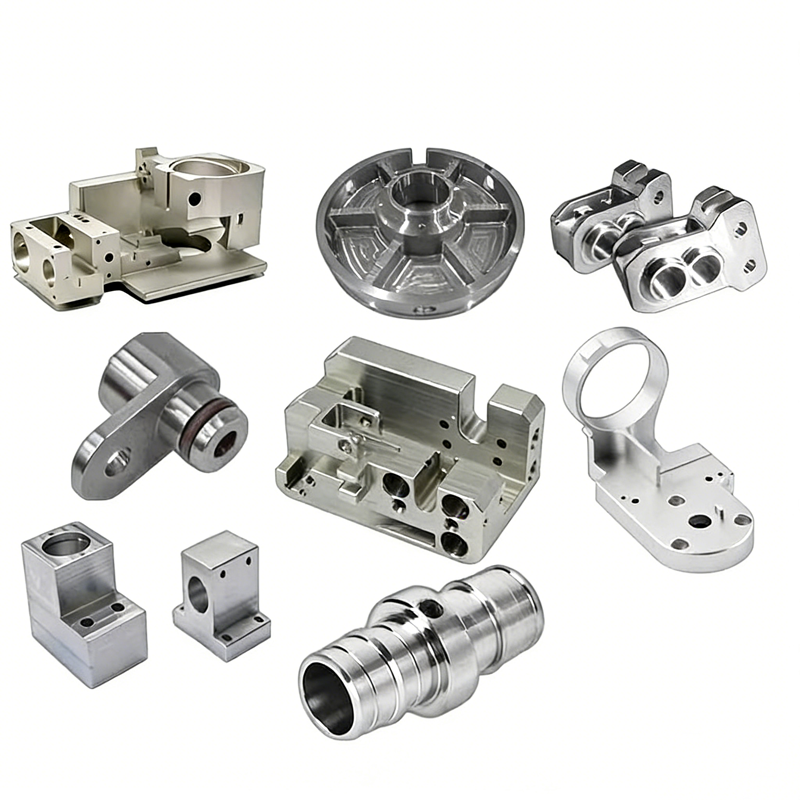
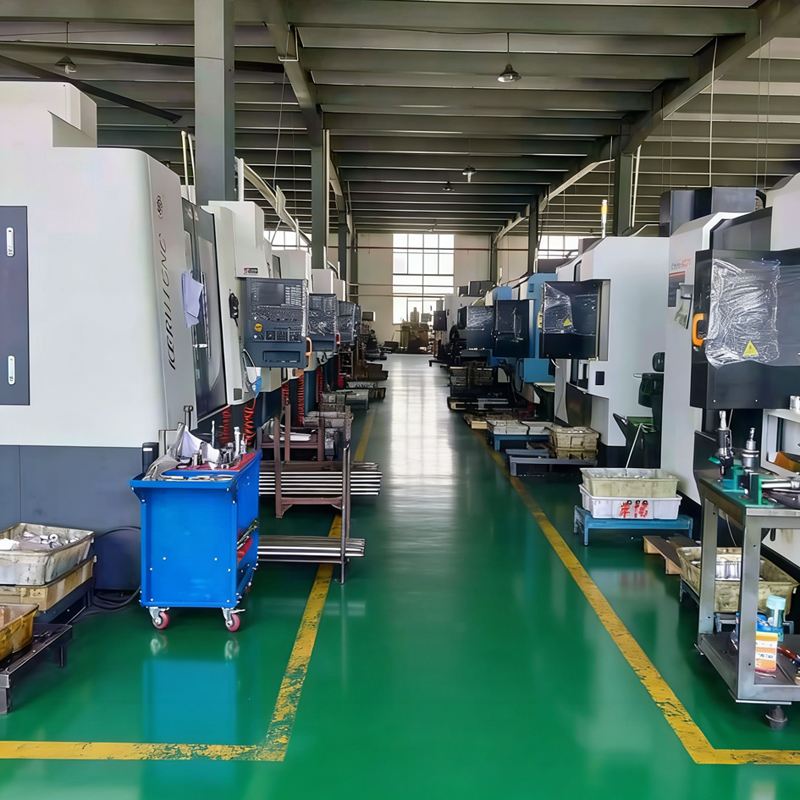
Material chemistry also drives the price variance. For instance, authentic 316 stainless steel provides superior corrosion resistance for marine environments, but costs significantly more than standard carbon steel. Quality-focused manufacturers like ZheJiang Dream Industry Limited utilize 23 in-process quality inspection steps to guarantee that parts meet exact technical drawings. This level of quality control ensures a defect rate below 0.3%, preventing premature component failure in demanding industrial automation and packaging machinery applications.
Data/Solution Comparison
The following table outlines the key differences between standard and precision CNC components, showing how manufacturing choices influence final pricing:
| Technical Parameter | Standard CNC Components | Precision CNC Components |
|---|---|---|
| Dimensional Tolerance | ±0.1 mm | ±0.03 mm |
| Surface Roughness | Ra 3.2 | Ra 1.6 to Ra 0.8 (Mirror polishing available) |
| Quality Certifications | Basic inspection | ISO 9001, RoHS, FDA, SGS, FAI |
| Material Options | Standard carbon steel, generic plastics | 304/316 Stainless Steel, 7075 Aluminum, PEEK, Brass |
| Testing Procedures | Visual check | Salt Spray Tested, Full Dimensional Inspection |
Frequently Asked Questions (FAQ)
Why do identical-looking CNC components have different prices online?
External appearance often hides critical internal differences. Higher-priced parts are manufactured to tighter tolerances (up to ±0.03mm), undergo rigorous salt spray testing for corrosion resistance, and are made from certified raw materials to ensure structural integrity under mechanical stress.
How does surface treatment affect the overall cost of CNC parts?
Post-processing treatments such as hard anodizing, nickel plating, passivation, or laser logo marking add production steps and specialized chemistry. These treatments protect components from wear and chemical exposure, adding to the initial cost but extending the part's service life.
Are low-cost CNC components suitable for industrial machinery?
Low-cost parts with wider tolerances (±0.1mm) may suffice for non-critical positioning or manual adjustment mechanisms. However, high-speed automation, food processing, and medical equipment require certified, high-precision components to avoid costly downtime and safety risks.
Final Conclusion & Recommendations
Sourcing CNC components online requires balancing upfront acquisition costs against long-term operational reliability. Opting for low-cost parts can lead to premature wear, assembly misalignment, and mechanical failure in demanding environments. For industrial applications, partnering with certified manufacturers that support robust OEM and ODM services, flexible MOQs, and comprehensive testing ensures consistent performance. For technical product selection, structural drawing confirmation, or specific material recommendations, please contact Eric Meng via 86-15868979792.
About Us
ZheJiang Dream Industry Limited, established in 2008, has over 20 years of experience in precision manufacturing. The company currently has 34 employees in total, specializing in custom design and production of precision CNC machined parts and assemblies in stainless steel, aluminum, brass, copper, carbon steel, and engineering plastics. Holding ISO certification (ZT-Q-24120011S) and multiple patent certifications, the brand has served global industrial clients across more than 30 countries and regions, including Europe, North America, and Southeast Asia.
Lastest
-
What key quality control documents should I request when auditing a potential CNC components factory?
2026-07-07 -
How long does it usually take a manufacturer to produce and ship custom CNC component prototypes?
2026-07-07 -
How do I choose between 3-axis and 5-axis CNC components for high-precision aerospace parts?
2026-07-07 -
Are there any emerging materials that could replace traditional steel CNC components to reduce weight?
2026-07-07 -
Can you explain the process of adding a custom logo and specific dimensions to a cast iron handwheel?
2026-07-07
SUBSCRIBE
INQUIRY