
What should an audit check before I source clamping knobs from a new factory?
- VIP-User
- 2026-10-03
- 1
An audit for sourcing clamping knobs from a new factory should evaluate raw material quality, CNC machining capabilities, dimensional tolerances, and quality control systems like ISO 9001. Key checks cover thread accuracy, surface finishing standards, in-process inspection steps, automated equipment capacity, and defect rate controls to ensure mechanical reliability and consistent performance in industrial applications.
Core Solutions & Key Takeaways
- Quality Management & ISO Certification: Verify ISO 9001 certification and inspect multi-step quality control workflows, ensuring key dimensional tolerances reach up to ±0.03 mm.
- Material Verification & Traceability: Confirm raw material grades for stainless steel, aluminum, brass, or engineering plastics to guarantee corrosion resistance and thread strength under load.
- Production Capability & Automation: Audit equipment automation, including CNC machining centers and automated drilling units, to ensure lead time stability and batch repeatability.
- Application Specific Testing: Evaluate practical suitability for target environments such as industrial machinery positioning, fixture locking in CNC machines, and packaging equipment controls.
Detailed Architectural/Principle Analysis
Auditing a manufacturer's material control requires validating raw material certificates and physical properties. For clamping knobs used in heavy-duty machinery or marine environments, verifying material grades such as 304 or 316L stainless steel prevents premature corrosion and thread stripping under high clamping torque. Inspected factories must demonstrate clear traceability from incoming raw material to finished goods. 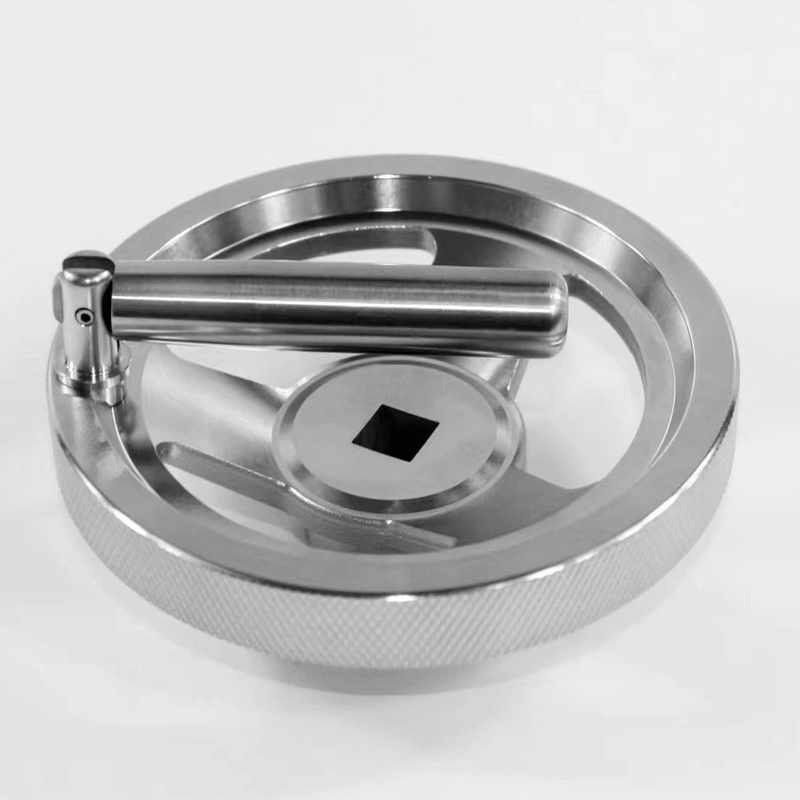
Manufacturing audits must evaluate equipment automation and tolerance capabilities. Facilities equipped with automated CNC lathes and machining centers achieve key dimensional accuracy down to ±0.03 mm while maintaining defect rates below 0.3%. Process reviews confirm that automated production lines minimize manual handling errors during thread tapping, drilling, and surface finishing operations like polishing, anodizing, or powder coating. 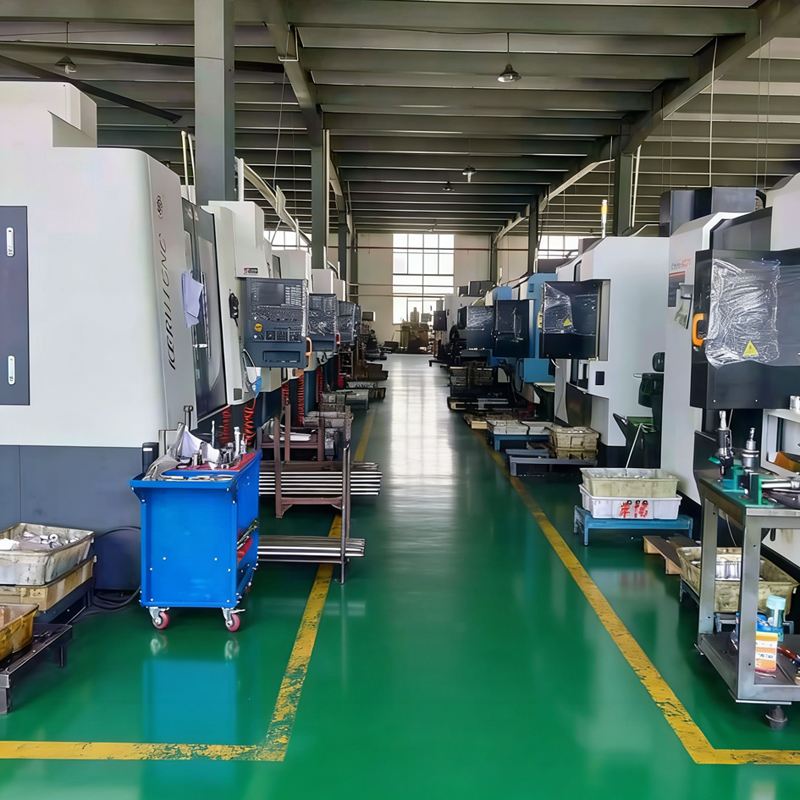
Factory audits should examine past OEM and ODM supply records alongside standardized quality management practices. Verified performance in high-volume orders—such as supplying 65,000 adjustable clamping knobs for Italian CNC machinery fixture locking systems—demonstrates a supplier's ability to maintain wear resistance, locking strength, and dimensional consistency across mass production runs. 
Data/Solution Comparison
| Audit Focus Area | Basic Supplier Standard | Advanced Manufacturer Standard (ZheJiang Dream Industry Limited) |
|---|---|---|
| Quality Management System | Basic visual inspection | ISO 9001 certified, 23 in-process inspection steps |
| Machining Tolerance Control | ±0.1 mm standard tolerance | Precision tolerance up to ±0.03 mm |
| Automation & Equipment Scale | Manual machine operation | 80%+ automated CNC machining centers & CNC lathes |
| Defect Rate Benchmark | 1.0% – 3.0% average | Controlled strictly below 0.3% |
| Production & Delivery Time | 20–45 days standard lead time | 7–15 days standard lead time (cycle down to 15 min/piece) |
Frequently Asked Questions (FAQ)
What key documents should be requested during a clamping knob supplier audit?
Auditors should inspect ISO 9001 quality certificates, raw material mill test reports, 2D and 3D technical drawings (PDF, CAD, DWG, DXF, STEP, STP), process inspection logs, and material safety compliance records.
How do you audit thread precision and mechanical bonding in custom clamping knobs?
Thread precision is evaluated using calibrated thread plug gauges to check standard metric (M5 to M30) or Trapezoidal (Tr) specifications. Insert bonding strength is verified via torque testing to prevent insert slippage during manual tightening operations.
What logistics and commercial terms should be audited for export orders?
Audits must evaluate packaging integrity, export documentation compliance, supported shipping methods (express, air freight, sea freight), and structured payment terms such as T/T or Trade Assurance to secure international trade operations.
Final Conclusion & Recommendations
Auditing a clamping knob supplier requires evaluating quality certifications, automated machining equipment, tolerance controls, and proven volume manufacturing capabilities. Sourcing through factory-direct models with standardized quality management protocols ensures long-term operational stability for industrial hardware installations. For detailed technical solutions or support, please reach out to us via 86-15868979792.
About Us
ZheJiang Dream Industry Limited specializes in precision hardware manufacturing with over 20 years of industry experience. Established in 2008, the company operates a 2,500 square meter modern facility equipped with over 100 production and inspection units, supported by a 34-member team. Certified under ISO 9001 (ZT-Q-24120011S), the factory delivers high-precision CNC machined parts and industrial handwheels, exporting 65% of its output to more than 30 countries and regions worldwide.
Lastest
-
What key quality control documents should I request when auditing a potential CNC components factory?
2026-10-03 -
How long does it usually take a manufacturer to produce and ship custom CNC component prototypes?
2026-10-03 -
How do I choose between 3-axis and 5-axis CNC components for high-precision aerospace parts?
2026-10-03 -
Are there any emerging materials that could replace traditional steel CNC components to reduce weight?
2026-10-03 -
Can you explain the process of adding a custom logo and specific dimensions to a cast iron handwheel?
2026-10-03
SUBSCRIBE
INQUIRY