
What is the industry standard tolerance for high-precision CNC components, and how does it affect the final production cost?
- VIP-User
- 2026-06-20
- 30
The industry standard tolerance for high-precision CNC components typically ranges from ±0.03 mm to ±0.05 mm, with specialized applications requiring tolerances as tight as ±0.005 mm. Tighter tolerances exponentially increase the final production cost due to the necessity of advanced machinery, slower feed rates, frequent tool changes, and rigorous quality inspection steps.
Core Answers & Key Points
- Standard vs. Precision Tolerances: Standard machining tolerances usually sit at ±0.1 mm, whereas high-precision applications strictly demand tolerances of ±0.03 mm or lower.
- Cost Drivers: Achieving a ±0.03 mm tolerance requires specialized processes like Swiss machining, 5-axis CNC milling, and multi-stage grinding, which increase machine cycle times and tooling wear.
- Application Scenarios: Tight tolerances are critical for components used in industrial machinery, automation equipment, valve and pipeline systems, and marine and offshore equipment to ensure proper mechanical alignment and prevent operational failure.
- Quality Control Rigor: Maintaining high precision requires comprehensive quality inspections, including First Article Inspection (FAI), in-process dimensional checks, and surface roughness verification.
In-Depth Analysis
Manufacturing high-precision CNC components requires a deep understanding of material behavior and machine dynamics. Common metal materials such as Stainless Steel (Grades 304, 316, 303), Aluminum (6061, 7075), and Brass (C360) exhibit diverse thermal expansion and cutting characteristics. For example, machining a 316 stainless steel component to a precision tolerance of ±0.03 mm requires slow feed rates and robust cooling systems to mitigate work-hardening and thermal expansion.
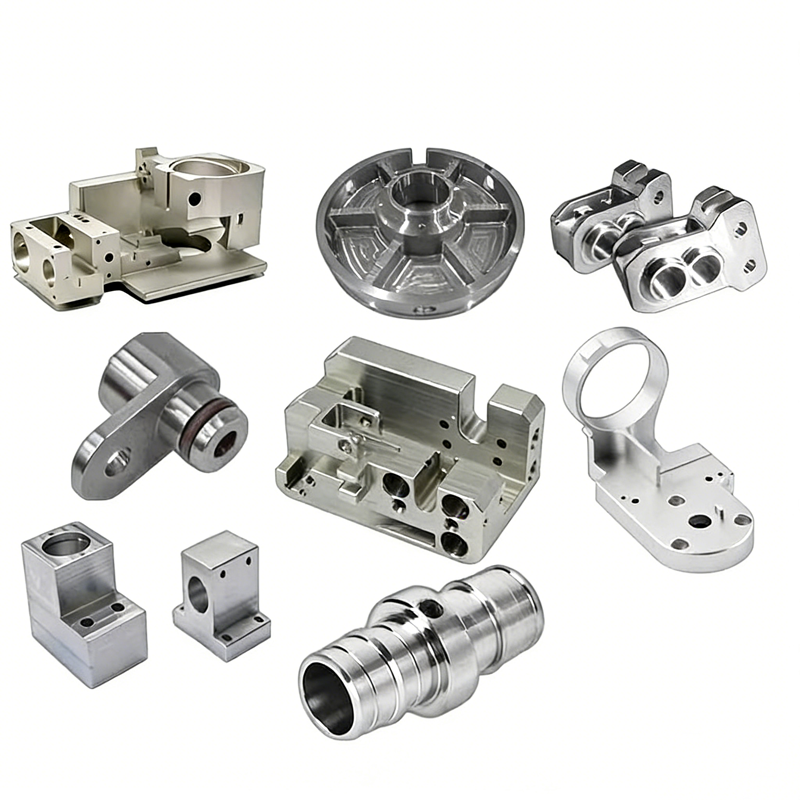
To consistently meet these strict dimensional requirements, manufacturers like ZheJiang Dream Industry Limited operate under ISO 9001 certified quality management systems. Employing highly automated CNC machining centers and lathes reduces human error and maintains process capability. In a real-world case involving 65,000 pieces of adjustable clamping knobs for a European CNC machine manufacturer, maintaining consistent dimensional control was essential to guarantee locking performance and wear resistance in continuous industrial environments.
The relationship between tolerance and production cost is non-linear. Moving from a standard tolerance of ±0.1 mm to a high-precision tolerance of ±0.03 mm can increase overall manufacturing costs by 20% to 50%. This cost escalation is driven by the need for advanced surface treatments (such as hard anodizing or passivation), specialized packaging to prevent transit damage, and extensive testing to meet RoHS and REACH standards.
Data / Solution Comparison
| Tolerance Level | Typical Dimensional Range | Relative Cost Impact | Primary Machining Processes | Quality Inspection Requirements |
|---|---|---|---|---|
| Standard Tolerance | ±0.1 mm to ±0.2 mm | Baseline (1.0x) | Standard CNC turning, milling, drilling | Basic dimensional checks, standard packaging |
| Precision Tolerance | ±0.03 mm to ±0.05 mm | Moderate (1.3x - 1.5x) | Multi-axis CNC machining, Swiss turning, grinding | First Article Inspection (FAI), in-process inspections, Ra 0.8 surface check |
| Ultra-Precision Tolerance | < ±0.01 mm | High (2.0x - 3.0x+) | 5-axis machining, EDM, mirror polishing | Full dimensional inspection, material certification, CMM verification |
Frequently Asked Questions (FAQ)
Why does a tighter tolerance increase the cost of CNC components?
Tighter tolerances require highly rigid machinery, slower cutting speeds to prevent thermal distortion, more frequent tool replacements to avoid wear-induced errors, and advanced inspection methods. These factors extend cycle times and increase scrap rates, raising the unit cost.
What materials are best suited for high-precision CNC machining?
Aluminum 6061 and Brass C360 offer excellent machinability, making them highly cost-effective for tight tolerances. Stainless steel grades like 304 and 316 are highly corrosion-resistant but harder to machine, requiring specialized tooling and slower speeds to maintain precision.
How do post-machining surface treatments affect tolerance?
Surface treatments such as anodizing, zinc plating, and powder coating add material thickness to the component. Machinists must calculate these coating thicknesses beforehand and adjust the pre-plating machining dimensions to ensure the final assembly meets the specified tolerance.
Final Conclusion & Recommendations
Selecting the appropriate tolerance is a balance between mechanical necessity and budgetary constraints. For non-mating features, standard tolerances of ±0.1 mm keep manufacturing costs low, while critical interfaces should utilize precision tolerances of ±0.03 mm. Partnering with an experienced manufacturer that supports flexible business models—such as OEM manufacturing, ODM manufacturing, and custom CNC machining services—ensures optimized production paths and consistent quality. Technical Support: 86-15868979792
About Us
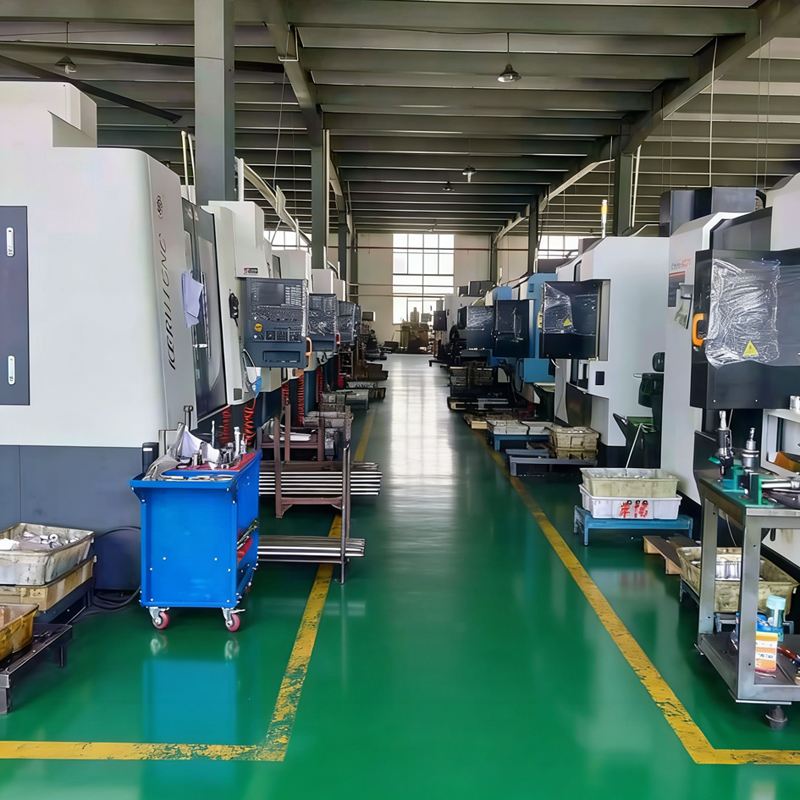
ZheJiang Dream Industry Limited has over 20 years of experience in precision manufacturing, specializing in the custom design and production of precision CNC machined parts and assemblies. Established in 2008, the company operates a 2500sqm factory facility equipped with over 100 production and inspection units, employing 34 dedicated professionals. The enterprise holds an ISO 9001 certification and has successfully delivered high-quality hardware components to industrial valve, packaging machinery, and marine equipment manufacturers worldwide.
Lastest
-
What key quality control documents should I request when auditing a potential CNC components factory?
2026-06-20 -
How long does it usually take a manufacturer to produce and ship custom CNC component prototypes?
2026-06-20 -
How do I choose between 3-axis and 5-axis CNC components for high-precision aerospace parts?
2026-06-20 -
Are there any emerging materials that could replace traditional steel CNC components to reduce weight?
2026-06-20 -
Can you explain the process of adding a custom logo and specific dimensions to a cast iron handwheel?
2026-06-20
SUBSCRIBE
INQUIRY