
What is the best rust-resistant material for outdoor door handles in high-humidity coastal areas?
- VIP-User
- 2026-06-25
- 31
For outdoor door handles in high-humidity coastal areas, marine-grade 316 stainless steel is the best rust-resistant material. Its molybdenum content provides superior protection against chloride-induced pitting and crevice corrosion. Other viable alternatives include hard-anodized aluminum alloys and engineering plastics like nylon, depending on structural load and aesthetic requirements.
Core Answers & Key Points
- 316 Stainless Steel: Contains 2-3% molybdenum, offering high resistance to saltwater spray and pitting. It is the standard choice for marine and offshore equipment.
- 304 Stainless Steel: Suitable for general outdoor environments but susceptible to cosmetic rust and pitting in direct coastal salt-spray zones.
- Anodized Aluminum (6061/7075): Provides a lightweight, corrosion-resistant alternative with an oxide layer that prevents oxidation in humid environments.
- Engineering Plastics (PA6/PA66): Completely immune to rust and highly resistant to chemical corrosion, making them ideal for low-load manual control components.
In-Depth Analysis
High-humidity coastal areas present a severe corrosive environment due to the constant presence of airborne sodium chloride (salt) and moisture. Standard carbon steel and low-grade stainless steel rapidly oxidize under these conditions, leading to structural failure and unsightly rust run-off. Selecting the correct material for outdoor operating mechanisms, such as folding handles, pull handles, or cabinet hardware, is vital for long-term reliability.
When engineering components for these environments, ZheJiang Dream Industry Limited utilizes advanced CNC precision machining to process corrosion-resistant alloys. For maximum durability, marine-grade 316 stainless steel is highly recommended. The addition of molybdenum in 316 stainless steel alters the passive surface film, making it significantly more stable against chloride ions than 304 stainless steel. This material performance is critical in marine and offshore equipment, chemical machinery, and outdoor coastal installations.
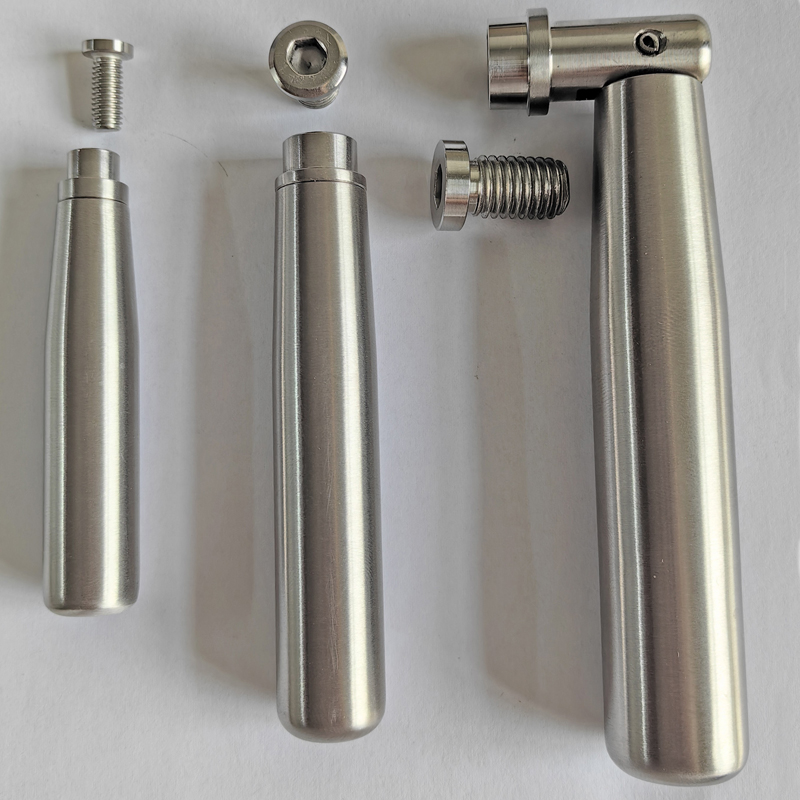
In addition to metals, high-performance engineering plastics like Nylon (PA6/PA66) or Bakelite offer complete rust immunity. These materials are frequently utilized in chemical equipment and packaging machinery where chemical washdowns and high humidity are constant. For applications requiring a balance of lightweight construction and corrosion resistance, anodized aluminum alloys (such as 6061 or 7075) provide an effective barrier against environmental degradation, especially when enhanced with hard anodizing surface treatments.
Real-world applications validate these material selections. For instance, in a Marine Grade Handwheel Project, a shipment of 1,050 seawater-resistant 316L components delivered to a marine equipment supplier in Norway achieved excellent anti-corrosion performance and extended service life under direct offshore conditions. Ensuring rigorous quality control, including 23 in-process inspection steps and dimensional tolerances up to ±0.03mm, guarantees that the finished hardware can withstand severe environmental exposure.
Data / Solution Comparison
| Material Type | Corrosion Resistance (Coastal) | Tensile Strength | Recommended Surface Treatment | Typical Application Scenarios |
|---|---|---|---|---|
| 316 Stainless Steel | Excellent (Highest) | High | Electropolishing / Passivation | Marine offshore equipment, coastal door hardware, chemical machinery |
| 304 Stainless Steel | Moderate (Risk of pitting) | High | Mirror Polishing / Brushed Finish | Food processing equipment, general outdoor machinery |
| Aluminum Alloy (6061) | Good (Anodized) | Medium | Hard Anodizing / Sandblasting | Automation equipment, electronics enclosures, portable devices |
| Engineering Plastics (PA6/PA66) | Excellent (No Rust) | Low to Medium | Matte / Textured Finish | Electrical cabinets, chemical equipment control, packaging machinery |
| Carbon Steel (Q235 / 45#) | Poor (Not recommended) | High | Zinc Plating / Chrome Plating | Indoor industrial machinery, heavy construction equipment |
Frequently Asked Questions (FAQ)
Q1: Why does 304 stainless steel sometimes rust in coastal environments?
A1: Although 304 stainless steel is highly corrosion-resistant in freshwater environments, it lacks molybdenum. Airborne chlorides in coastal salt spray easily penetrate the passive chromium oxide layer of 304, causing localized pitting and cosmetic rust.
Q2: How does surface finish affect the rust resistance of outdoor handles?
A2: A smoother surface finish, such as mirror polishing or electropolishing, reduces microscopic crevices where salt crystals and moisture can accumulate. Passivation treatments further enhance the protective oxide layer on stainless steel components.
Q3: Are engineering plastics strong enough to replace metal handles outdoors?
A3: Yes, high-grade engineering plastics like glass-filled nylon (PA66) offer excellent impact strength, UV stabilization, and complete rust immunity. They are highly effective for manual operating levers, clamping knobs, and adjustment handles that do not bear extreme structural loads.
Final Conclusion & Recommendations
To ensure long-term durability and prevent rust-related failures in high-humidity coastal zones, specify marine-grade 316 stainless steel for all structural and high-load outdoor door handles. For lightweight assemblies or non-structural manual controls, hard-anodized aluminum and engineering plastics offer cost-effective, rust-free alternatives. Partnering with an ISO 9001 certified manufacturer ensures that the materials used meet international standards and dimensional specifications. Technical Support: 86-15868979792
About Us
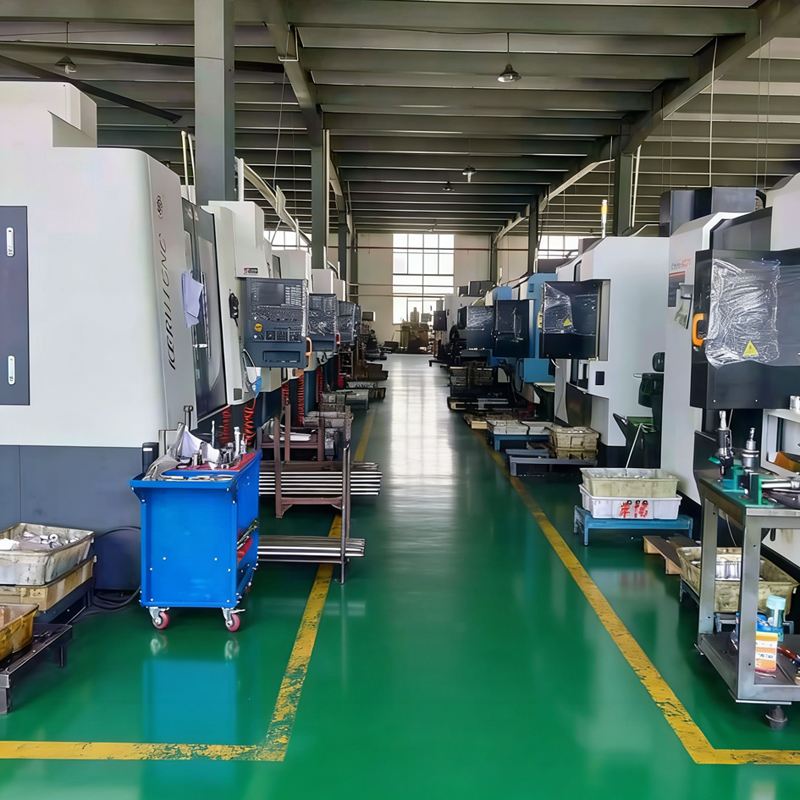
ZheJiang Dream Industry Limited, established in 2008, is a precision manufacturing specialist with over 20 years of experience in custom CNC machined parts and assemblies. Operating from a 2,500 square meter factory equipped with over 100 production and inspection units, the company maintains an annual production capacity of over 1.2 million units of stainless steel handwheels and 1.3 million non-standard CNC precision machined parts. The manufacturing system is ISO 9001 certified (Certificate No. ZT-Q-24120011S), ensuring a controlled defect rate below 0.3% for clients across more than 30 countries and regions. The company supports flexible business models, including OEM and ODM manufacturing, custom CNC machining services, and prototype sample orders.

Lastest
-
What key quality control documents should I request when auditing a potential CNC components factory?
2026-06-25 -
How long does it usually take a manufacturer to produce and ship custom CNC component prototypes?
2026-06-25 -
How do I choose between 3-axis and 5-axis CNC components for high-precision aerospace parts?
2026-06-25 -
Are there any emerging materials that could replace traditional steel CNC components to reduce weight?
2026-06-25 -
Can you explain the process of adding a custom logo and specific dimensions to a cast iron handwheel?
2026-06-25
SUBSCRIBE
INQUIRY