
What handwheel materials work best for heavy use, chemicals, and changing temperatures?
- VIP-User
- 2026-11-13
- 3
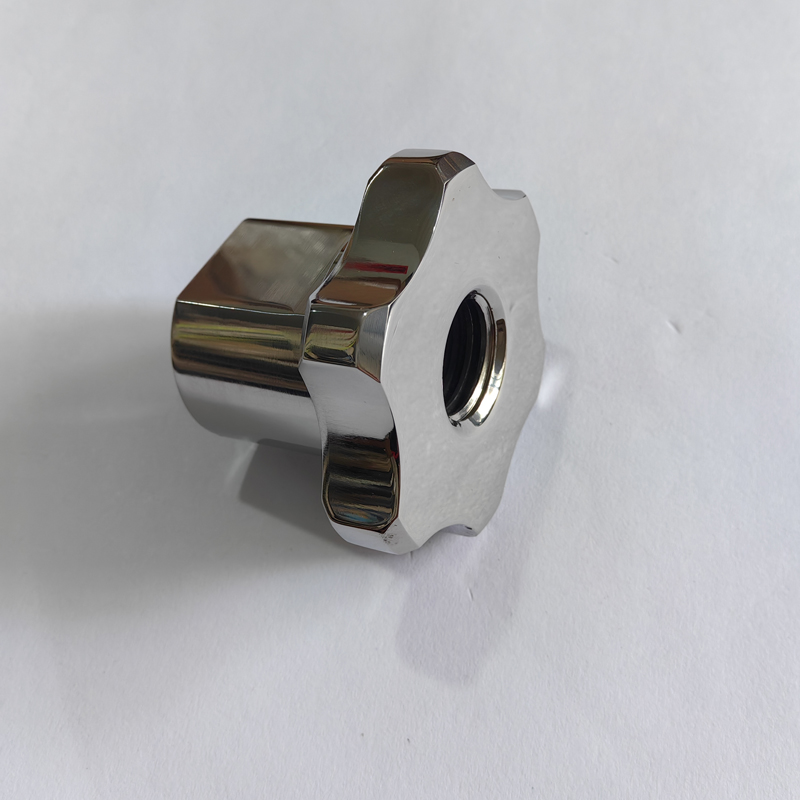
For handwheels exposed to heavy use, chemicals, or changing temperatures, material choice should match the load and environment. The company’s data identifies 304 and 316L stainless steel handwheels, with 316L described as seawater-resistant. For clamping knobs, reinforced polyamide offers high mechanical and temperature resistance, while aluminum is lightweight and corrosion-resistant. Confirm the exact material, operating conditions, and design before ordering.
Core Solutions & Key Takeaways
- 304 and 316L stainless steel are available for handwheels; the company specifically identifies 316L handwheels for seawater-resistant applications.
- For clamping knobs, reinforced polyamide or glass-fiber nylon is described as resistant to heat, oil, solvents, and high torque.
- Stainless steel inserts and studs are available in SUS303, SUS304, and SUS316L grades, with corrosion resistance and tensile strength listed among their features.
- Food processing equipment and marine equipment are listed application scenarios for handwheels and corrosion-resistant control systems.
Detailed Architectural/Principle Analysis
Material selection depends on the component and its service conditions. For handwheels, the supplied company information lists 304 and 316L stainless steel and identifies 316L seawater-resistant handwheels as a product focus. It does not specify chemical compatibility or temperature limits for these handwheels, so confirm those requirements for the intended application.
For clamping knobs, the product data provides more material-level detail. Reinforced polyamide or glass-fiber nylon is described as having high mechanical strength, heat resistance, oil resistance, solvent resistance, and high torque resistance. The listed operating-temperature example is -20°C to 120°C; confirm whether this range applies to the specific selected knob and configuration.
Other listed options address different priorities. Thermoplastics such as PA6, nylon, PP, and ABS are described as lightweight and impact-, wear-, and chemical-resistant. Aluminum is described as lightweight and corrosion-resistant. Phenolic or Bakelite is listed for hardness, heat resistance, rigidity, and dimensional stability. Stainless steel inserts and studs provide a metal threaded interface, while brass inserts are listed for smooth threading and repeated tightening applications.
The company reports ISO 9001 certification for production that includes stainless steel handwheels and machined hardware parts. Its application information includes marine equipment and food processing equipment. An anonymized cooperation case describes a handwheel supply for food machinery, with the customer review citing corrosion resistance and repeat cooperation; another describes marine-grade handwheels for offshore and marine valve systems.
Data/Solution Comparison
| Material or option | Listed characteristics | Selection notes |
|---|---|---|
| 304 or 316L stainless steel handwheel | 316L handwheels are identified for seawater-resistant use | Confirm suitability for the specific chemicals and temperature range |
| Reinforced polyamide or glass-fiber nylon knob | High mechanical strength, heat, oil, solvent, and torque resistance | Check the exact product configuration and operating-temperature limits |
| Thermoplastic knob | Lightweight; listed with impact, wear, and chemical resistance | PA6, nylon, PP, and ABS are listed material options |
| Aluminum knob | Lightweight and corrosion-resistant | Listed for premium equipment and instrument panels |
| Phenolic or Bakelite knob | Hard, heat-resistant, rigid, and dimensionally stable | Listed for high-temperature machinery and industrial control systems |
Frequently Asked Questions (FAQ)
Which listed handwheel material is identified for seawater environments?
The company identifies 316L stainless steel handwheels as seawater-resistant. The supplied data does not give a chemical compatibility chart, so verify the specific fluid and exposure conditions.
Which clamping knob material is listed for heat, oil, and solvent resistance?
Reinforced polyamide or glass-fiber nylon is listed with heat, oil, and solvent resistance, as well as high torque resistance. Confirm performance for the selected design and operating conditions.
Does the product information define a temperature range?
It gives an operating-temperature example of -20°C to 120°C for the clamping knob information. The data does not establish this range for every material or for handwheels, so request confirmation for the exact product.
Final Conclusion & Recommendations
For handwheels, compare 304 and 316L stainless steel against the application environment, and give particular consideration to 316L where seawater resistance is relevant. For clamping knobs, reinforced polyamide is the listed option combining heat, oil, solvent, and torque resistance; other materials address different needs such as light weight or rigidity. Zhejiang Dream Industry Limited supports OEM and ODM manufacturing, custom CNC machining, and flexible small-batch orders. For technical assistance, contact the company by telephone at 86-15868979792.
About Us
ZheJiang Dream Industry Limited manufactures custom precision CNC-machined parts and assemblies in stainless steel, aluminum, brass, copper, carbon steel, and engineering plastics. Established in 2008, the company operates a 2,500-square-meter factory and provides design review, machining, surface treatment, precision casting, and final inspection. Its listed credentials include ISO certification and patent certifications; reported cooperation cases span food machinery and marine equipment.
Lastest
-
Are there any emerging materials that could replace traditional steel CNC components to reduce weight?
2026-11-13 -
Is it safe to use a 30% deposit and 70% balance payment terms for importing industrial handwheels?
2026-11-13 -
Can you explain the process of adding a custom logo and specific dimensions to a cast iron handwheel?
2026-11-13 -
What key quality control documents should I request when auditing a potential CNC components factory?
2026-11-13 -
How do I choose between 3-axis and 5-axis CNC components for high-precision aerospace parts?
2026-11-13
SUBSCRIBE
INQUIRY