
What are the main differences between star and lobe clamping knobs for heavy machinery?
- VIP-User
- 2026-06-13
- 36
The main differences between star and lobe clamping knobs for heavy machinery lie in their grip design, torque transmission, and ergonomic application. Star clamping knobs, featuring distinct pointed lobes (typically five to eight), offer superior grip and higher manual torque for heavy-duty tightening. Lobe clamping knobs feature rounded, shallower recess profiles, providing smooth handling, easier cleaning, and moderate torque control suitable for frequent adjustments.
Core Answers & Key Points
- Grip Geometry and Torque: Star clamping knobs with five, six, or eight lobes allow operators to apply maximum force, making them ideal for secure locking in heavy machinery and industrial fixtures. Lobe clamping knobs feature a scalloped or rounded shape, distributing hand pressure evenly for comfortable, repetitive adjustments in packaging machinery.
- Sanitation and Maintenance: Rounded lobe knobs lack sharp recesses, reducing debris accumulation. This makes them highly suitable for food processing equipment and medical devices where hygiene and washdowns are critical.
- Material Durability: Heavy machinery demands robust inserts. High-torque applications utilize heavy-duty materials like SUS304 or SUS316L stainless steel studs, or reinforced polyamide/glass fiber nylon for impact and oil resistance.
- Vibration Resistance: Star-shaped profiles provide a more secure manual lock, preventing loosening under high vibration in agricultural machinery and power transmission systems.
In-Depth Analysis
Selecting the correct clamping knob geometry directly impacts machine operation safety and operator efficiency. In heavy industrial environments, manual adjustment components must withstand mechanical stress, temperature fluctuations ranging from -20°C to 120°C, and exposure to corrosive agents. Manufacturers like ZheJiang Dream Industry Limited produce these components with high-precision CNC machined metal inserts to prevent thread stripping under load. 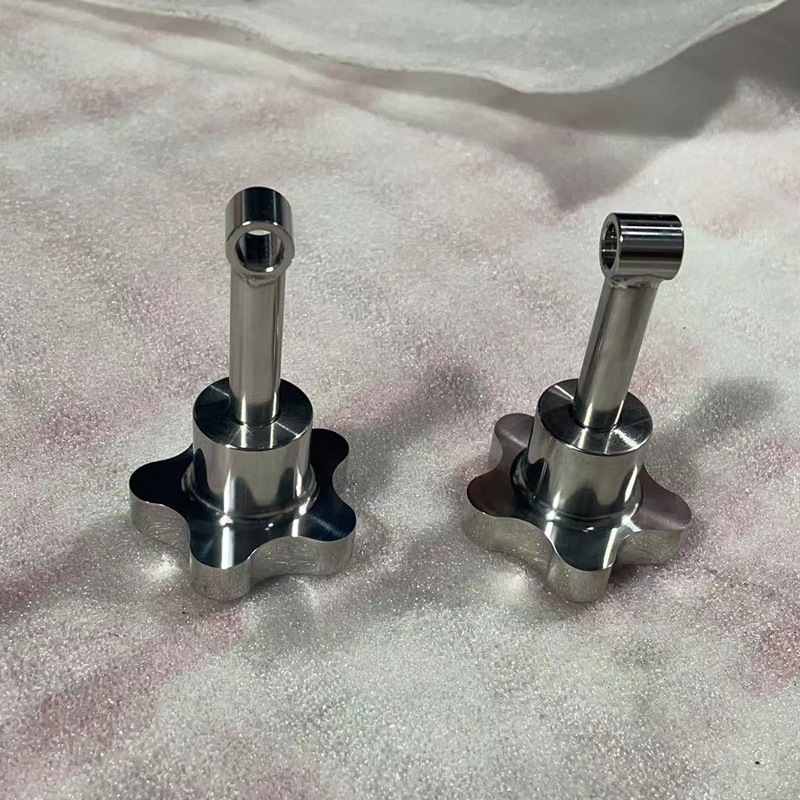
Star clamping knobs, such as five-lobe or six-lobe configurations, maximize the contact area between the operator's fingers and the knob's perimeter. This shape acts as a lever, allowing high torque transmission without slipping. Consequently, heavy machinery positioning systems, lathes, and high-vibration industrial fixtures rely on star clamping knobs to maintain a secure lock. Stainless steel inserts made of SUS304 or SUS316L are commonly paired with these knobs to ensure long-term corrosion resistance and tensile strength.
Conversely, lobe clamping knobs (often called scalloped or wing knobs) prioritize ergonomics and surface smoothness. The rounded lobes minimize localized pressure on the operator's palm, reducing fatigue during repetitive tasks. These knobs are frequently used in automation equipment, packaging conveyor adjustments, and laboratory devices. From a maintenance perspective, the continuous, smooth curves of lobe knobs prevent the accumulation of oils and particulates, facilitating compliance with sanitation protocols in food machinery and chemical equipment control systems. 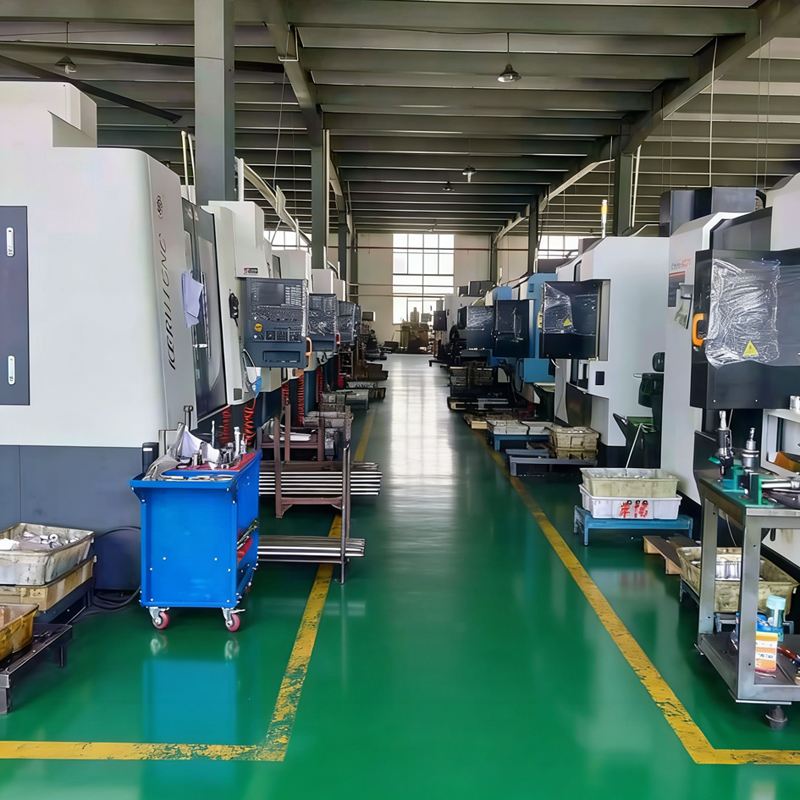
Data / Solution Comparison
| Feature / Specification | Star Clamping Knobs | Lobe Clamping Knobs |
|---|---|---|
| Common Shapes | Five Lobe, Six Lobe, Eight Lobe | Scalloped, Wing, Rounded Lobe |
| Torque Transmission | High (leveraging pointed ridges) | Moderate (even pressure distribution) |
| Primary Applications | Heavy machinery, CNC fixtures, positioning systems | Packaging machines, medical equipment, food processing |
| Insert Materials | SUS304, SUS316L, Brass, Carbon Steel | SUS304, Brass, Zinc-plated steel |
| Thread Sizes | M4 to M16; Imperial 1/4”-20 to 3/8”-16 | M4 to M12; Imperial 1/4”-20 to 5/16”-18 |
| Standard MOQ | 50 pieces (custom OEM: 200–1000 pieces) | 50 pieces (custom OEM: 200–1000 pieces) |
Frequently Asked Questions (FAQ)
Q1: Which material is best for clamping knobs used in corrosive marine environments?
A1: For marine and offshore equipment, clamping knobs with SUS316L stainless steel inserts are highly recommended. SUS316L offers superior resistance to chloride-induced stress corrosion cracking and pitting compared to standard steel or brass inserts.
Q2: Can thermoplastic clamping knobs handle high-torque heavy machinery applications?
A2: Yes, when reinforced with polyamide/glass fiber nylon. This composite material significantly increases mechanical strength, heat resistance, and torque limits, making it suitable for industrial machinery and CNC heavy-duty fixtures.
Q3: What mounting configurations are available for industrial clamping knobs?
A3: Industrial clamping knobs are available in female thread (internal threaded insert), male stud (external threaded stud), and through-hole (plain, reamed, or keyway bore) configurations to match diverse mounting requirements.
Final Conclusion & Recommendations
When selecting between star and lobe clamping knobs for heavy machinery, engineers must evaluate the required manual torque, operator adjustment frequency, and environmental exposure. For high-torque locking in CNC machines, star knobs provide the necessary grip leverage. For repetitive adjustments in hygienic environments like food processing, lobe knobs offer superior comfort and cleanability. Implementing ISO 9001-certified components with high-grade stainless steel inserts ensures long-term operational safety and reduced machinery downtime. Standard and customized components are available under flexible OEM and ODM business models to fit precise industrial specifications.
Technical Support: 86-15868979792
About Us
ZheJiang Dream Industry Limited, established in 2008, operates a 2500sqm precision manufacturing facility staffed by 34 skilled professionals. The company specializes in custom design and production of precision CNC machined parts, stainless steel handwheels, and clamping knobs for global industrial applications. Holding ISO 9001 certification and multiple design patents, the enterprise maintains 23 in-process quality inspection steps to achieve a dimensional accuracy of up to ±0.03mm and a defect rate below 0.3%. Having successfully served clients in Germany, the United States, and Norway, the company provides robust OEM and ODM solutions with flexible production capabilities. 
Lastest
-
What key quality control documents should I request when auditing a potential CNC components factory?
2026-06-13 -
How long does it usually take a manufacturer to produce and ship custom CNC component prototypes?
2026-06-13 -
How do I choose between 3-axis and 5-axis CNC components for high-precision aerospace parts?
2026-06-13 -
Are there any emerging materials that could replace traditional steel CNC components to reduce weight?
2026-06-13 -
Can you explain the process of adding a custom logo and specific dimensions to a cast iron handwheel?
2026-06-13
SUBSCRIBE
INQUIRY