
What are the latest design trends for ergonomic pull handles?
- VIP-User
- 2026-07-18
- 30
The latest design trends for ergonomic pull handles focus on user-centric geometry, slip-resistant textures, and material optimization to reduce operator fatigue. Modern designs prioritize rounded edge profiles, finger grip contours, and lightweight materials like aluminum alloy or engineering plastics, alongside corrosion-resistant stainless steel for demanding industrial environments.
Core Solutions & Key Takeaways
- Optimized Grip Geometry: Rounded edges and integrated finger contours minimize pressure points, reducing repetitive strain injuries in high-frequency manual operations.
- Advanced Surface Texturing: Textured finishes on engineering plastics and matte or brushed surfaces on metals provide reliable anti-slip properties, even in greasy or wet environments.
- Application-Specific Materials: Standard designs utilize lightweight nylon or aluminum for automation systems, while stainless steel (grades 304 and 316) serves hygienic food processing and corrosive marine environments.
- Robust Mounting Standards: Compatibility with standardized metric thread sizes (M4 to M16) ensures seamless integration into existing industrial machinery and control cabinets.
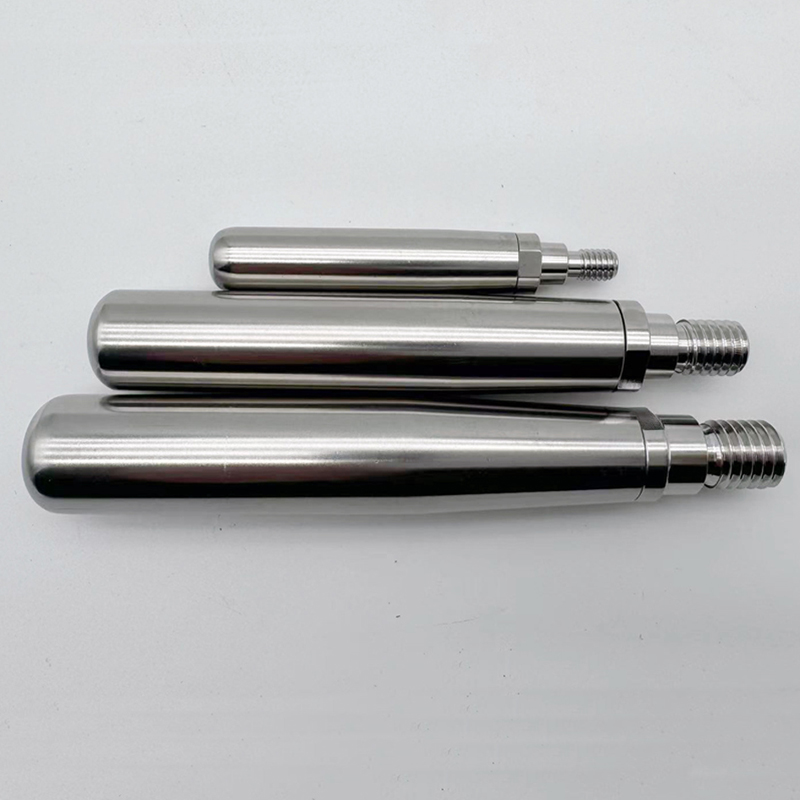
Detailed Architectural/Principle Analysis
Ergonomic pull handles and revolving handles are engineered to bridge the gap between human operators and mechanical systems. By analyzing the hand's natural gripping arc, manufacturers design handle profiles that distribute tensile and compressive forces evenly across the palm. For instance, in packaging machinery and automation equipment, operators perform thousands of repetitive adjustments daily; a transition from sharp-edged rectangular handles to curved, organic profiles with a dedicated grip diameter (ranging from 10 mm to 40 mm) significantly lowers muscle fatigue.
Material selection plays an essential role in ergonomic performance. Engineering plastics like nylon (PA6/PA66) and Bakelite provide natural thermal insulation, making them comfortable to touch in extreme operating temperatures ranging from -20°C to 150°C. Conversely, for heavy-duty industrial machinery, metals like aluminum alloy and stainless steel are preferred. Aluminum offers a high strength-to-weight ratio, while stainless steel provides exceptional wear resistance and hygiene. In practical applications, such as a Stainless Steel Handwheel Project for Food Processing Equipment, utilizing high-grade, polished stainless steel elements guarantees both physical durability and strict compliance with washdown sanitation standards.
Furthermore, structural integrity is validated through strict testing. Quality control procedures, such as those certified under ISO 9001 (Certificate ZT-Q-24120011S), ensure that pull handles, clamping knobs, and revolving handles withstand their rated load capacities and tensile strengths without structural degradation. Integrating these tested components into manual control systems ensures operational safety and prolonged equipment life.
Data/Solution Comparison
The following table compares different ergonomic handle materials and their suitability across various industrial deployment scenarios:
| Material Type | Ergonomic Grip Feature | Corrosion Resistance | Common Applications | Supported Thread Standards |
|---|---|---|---|---|
| Stainless Steel (304/316) | High strength, polished/brushed smooth finish | Excellent (Seawater & Chemical Resistant) | Food processing, marine equipment, chemical machinery | Metric (M4-M16), Imperial (1/4” - 1/2”) |
| Aluminum Alloy (6061/7075) | Lightweight, modern anodized texture | Good (Anodized/Hard Anodized) | Automation systems, medical devices, electronics | Metric (M4-M12) |
| Engineering Plastic (Nylon/Bakelite) | Molded finger grips, thermal insulation, matte finish | Excellent (Chemical Resistant) | Electrical cabinets, packaging lines, printing machines | Metric (M4-M12), UNC, UNF |
Frequently Asked Questions (FAQ)
Q1: What are the primary benefits of using foldable or revolving handles over fixed pull handles?
A1: Revolving and foldable handles allow the grip portion to rotate independently of the crank arm, reducing friction against the operator's palm during continuous rotational adjustments. Foldable designs can also be tucked away when not in use to save space and prevent accidental contact hazards.
Q2: How does surface treatment impact the ergonomics of an industrial handle?
A2: Surface treatments like sandblasting or anodizing on aluminum, and matte or textured finishes on plastics, increase the coefficient of friction. This prevents slippage during manual operations. For stainless steel, electropolishing or mirror finishing ensures a smooth surface that prevents bacterial accumulation, which is vital for food and medical applications.
Q3: Can custom ergonomic handles be manufactured for specific industrial applications?
A3: Yes. Through OEM and ODM manufacturing services, handles can be customized with specific lengths, specialized mounting thread depths, unique colors (such as orange or blue for safety signaling), and custom materials to meet precise operational and environmental requirements.
Final Conclusion & Recommendations
Selecting the correct ergonomic pull handle requires balancing operator comfort with environmental durability. For high-hygiene or marine environments, stainless steel remains the standard, while aluminum and engineering plastics offer cost-effective, lightweight alternatives for automation and packaging lines. Implementing certified components with proven load capacities ensures long-term operational safety. For detailed technical solutions or support, please reach out to us via 86-15868979792.
About Us
ZheJiang Dream Industry Limited, operating under the brand MXCZ, has over 20 years of experience in precision manufacturing. Our production facility spans a 2500sqm factory area and houses 34 employees, supporting turnkey capabilities from custom design to final inspection. The company maintains an ISO 9001 certified manufacturing system (Certificate ZT-Q-24120011S) and holds multiple patent certifications, including Patent No. 23542824 and No. 23818494, serving diverse clients across industries like food machinery, marine equipment, and CNC machine manufacturing.
Lastest
-
What key quality control documents should I request when auditing a potential CNC components factory?
2026-07-18 -
How long does it usually take a manufacturer to produce and ship custom CNC component prototypes?
2026-07-18 -
How do I choose between 3-axis and 5-axis CNC components for high-precision aerospace parts?
2026-07-18 -
Are there any emerging materials that could replace traditional steel CNC components to reduce weight?
2026-07-18 -
Can you explain the process of adding a custom logo and specific dimensions to a cast iron handwheel?
2026-07-18
SUBSCRIBE
INQUIRY