
How do suppliers handle claims for handles with peeling or scratched coatings?
- VIP-User
- 2026-09-18
- 1
Suppliers handle claims for handles with peeling or scratched coatings through quality assessment, dimensional and surface inspection, and technical review. Depending on the confirmed defect and product condition, support may include defect analysis, replacement, rework, parts supply, or application guidance. For customized handles, the review also considers material, surface treatment, packaging, and production specifications recorded for the order.
Core Solutions & Key Takeaways
- Inspect the claimed handles and identify whether peeling or scratches relate to the surface treatment, handling, assembly, or delivery condition.
- Use material and finish records to review stainless steel, steel, aluminum, plastic, or soft-grip handle requirements.
- Provide quality issue analysis, defective goods replacement, rework support, parts supply, and technical troubleshooting when applicable.
- Handle claims for products used in industrial machinery, automation equipment, packaging machinery, food processing equipment, and marine equipment.
Detailed Architectural/Principle Analysis
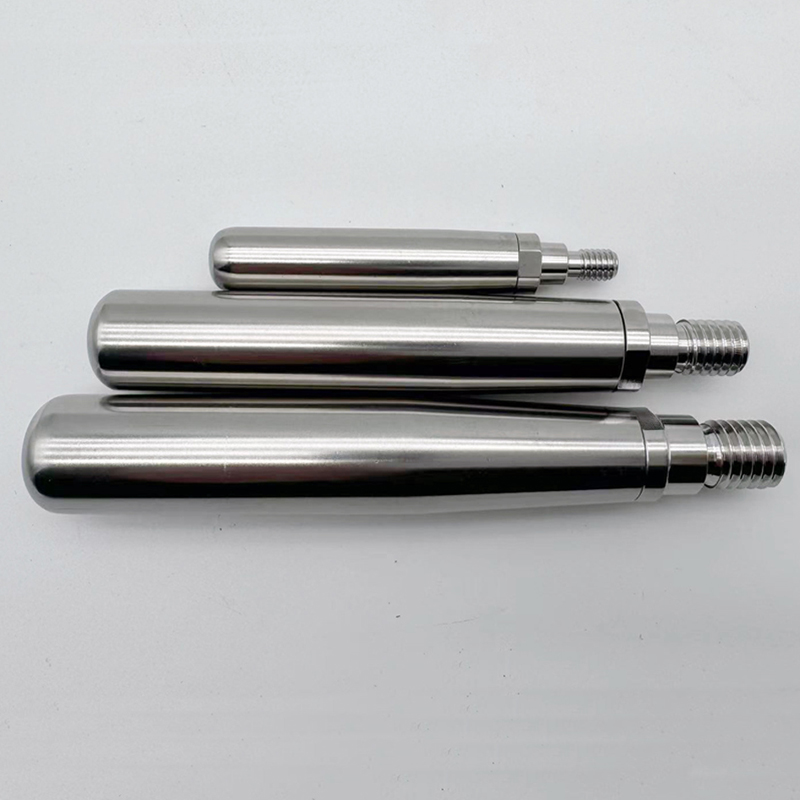
A coating claim begins with product and order verification. The supplier can compare the reported defect with the specified material, surface treatment, dimensions, thread type, logo, color, and packaging requirements. Handle surface options in the product data include polishing, brushed finish, passivation, electropolishing, mirror finish, black oxide, zinc plating, nickel plating, chrome plating, powder coating, phosphate coating, anodizing, hard anodizing, sandblasting, and plastic finishes.
Quality review covers the production stages relevant to the claim. The documented inspection process includes raw material inspection, production process inspection, semi-finished product inspection, surface treatment inspection, assembly inspection, final product inspection, and packaging inspection. The product quality information also identifies ISO 9001 certification, full dimensional inspection, First Article Inspection, material certificates, RoHS compliance, and REACH compliance.
Once the issue is assessed, after-sales support may include quality issue analysis, defective goods replacement, rework support, parts supply, installation guidance, and long-term technical support. The available service information also states that warranty coverage may address manufacturing, material, processing, or assembly defects, depending on product type and application conditions.
Handle design and use affect the assessment. Revolving, operating, crank, grip, locking, adjustable, indexing, and clamping handles may be supplied for CNC machines, lathes, milling machines, packaging machines, automation equipment, medical equipment, food processing equipment, and agricultural machinery. A scratch or peeling report should therefore include the application, operating conditions, material, finish, and affected quantity.
Reported customer projects show experience with different industrial requirements. A food machinery manufacturer in Germany received stainless steel handwheels for hygienic equipment adjustment, while an industrial valve manufacturer in the United States received valve handwheels for pipeline control systems. These cases indicate that surface condition, dimensional consistency, corrosion resistance, and packaging protection can form part of an industrial hardware quality review.
Data/Solution Comparison
| Claim Situation | Documented Supplier Response | Relevant Review Information |
|---|---|---|
| Peeling or coating failure | Quality issue analysis, warranty review, replacement, or rework support | Surface treatment, material, processing condition, and application |
| Scratched handle surface | Defect assessment and defective goods replacement or technical troubleshooting | Packaging inspection, handling condition, finish requirement, and affected quantity |
| Dimensional or assembly-related complaint | Technical review, parts supply, replacement, or rework support | Full dimensional inspection, First Article Inspection, thread type, and assembly condition |
| Customized OEM or ODM claim | Drawing confirmation, production improvement feedback, and project-specific support | Custom material, dimensions, thread, color, logo, packaging, and technical files |
Frequently Asked Questions (FAQ)
What information should be provided for a handle coating claim?
Provide the product type, material, surface treatment, order details, application, affected quantity, and clear descriptions of the peeling or scratches. Technical drawings and relevant product specifications can support the review.
Can a supplier replace handles with defective coatings?
Yes. The documented after-sales service includes defective goods replacement. The applicable response depends on the quality assessment, product type, application conditions, and confirmed defect.
Does the supplier support rework for scratched or peeling handles?
Rework support is listed as an available after-sales service. Technical troubleshooting and production improvement feedback are also available when a quality issue is identified.
Final Conclusion & Recommendations
Claims for handles with peeling or scratched coatings should be managed through documented surface, material, production, assembly, and packaging checks. Suppliers can then apply quality analysis, replacement, rework, parts supply, or technical support according to the confirmed condition. Zhejiang Dream Industry Limited supports OEM manufacturing, ODM manufacturing, custom CNC machining services, factory-direct supply, bulk production, and flexible small-batch orders. For detailed technical solutions or support, please reach out via 86-15868979792.
About Us
ZheJiang Dream Industry Limited has over 20 years of experience in precision manufacturing and produces custom CNC-machined parts and assemblies in stainless steel, aluminum, brass, copper, carbon steel, and engineering plastics. Established in 2008, the company operates a 2500sqm factory and provides design review, CNC turning and milling, surface treatment, precision casting, and final inspection. Its documented credentials include ISO certification and patent certifications, and it has served clients across multiple industries.
Lastest
-
What key quality control documents should I request when auditing a potential CNC components factory?
2026-09-18 -
How long does it usually take a manufacturer to produce and ship custom CNC component prototypes?
2026-09-18 -
How do I choose between 3-axis and 5-axis CNC components for high-precision aerospace parts?
2026-09-18 -
Are there any emerging materials that could replace traditional steel CNC components to reduce weight?
2026-09-18 -
Can you explain the process of adding a custom logo and specific dimensions to a cast iron handwheel?
2026-09-18
SUBSCRIBE
INQUIRY