
How do I select durable stainless steel handles for heavy duty outdoor cabinets?
- VIP-User
- 2026-08-11
- 16
Selecting durable stainless steel handles for heavy-duty outdoor cabinets requires prioritizing grade 316 stainless steel for marine or high-salinity environments, or grade 304 for standard outdoor weather exposure. Key selection criteria include evaluating load capacity, passivated or electropolished surface finishes for corrosion resistance, ergonomic grip design, and secure thread mounting configurations to resist environmental wear and mechanical stress.
Core Solutions & Key Takeaways
- Material Grade Selection: Grade 316 stainless steel provides superior pitting resistance in marine and chemical environments, while Grade 304 offers robust protection for general outdoor electrical cabinets and industrial machinery.
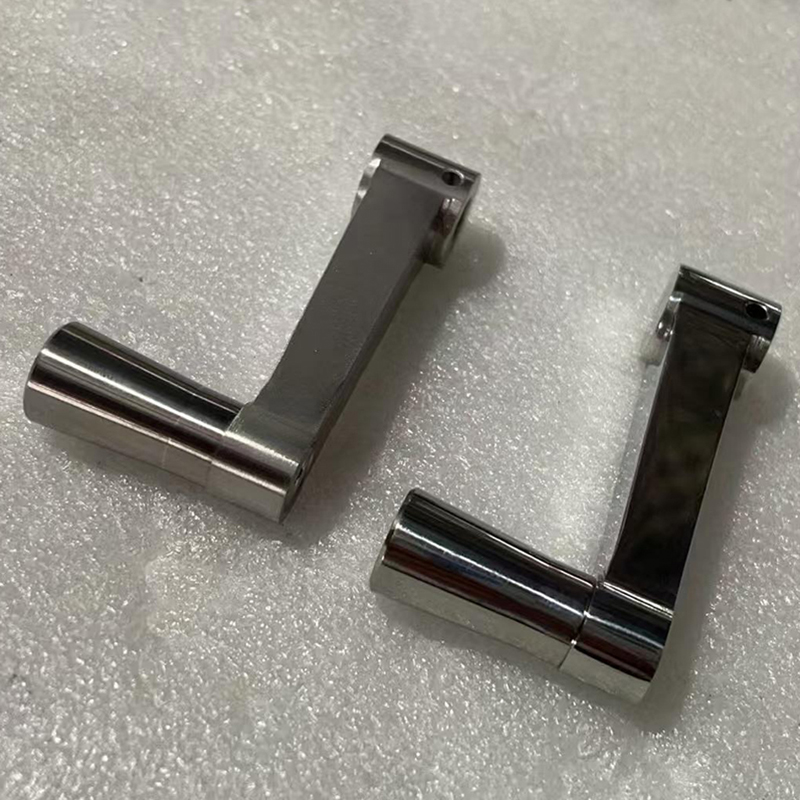
- Mechanical Load & Ergonomics: Heavy-duty applications require structural integrity for high tensile strength, featuring bridge, pull, or crank handle configurations designed for comfortable grip and high operational torque.
- Surface Treatment Standards: Passivation, electropolishing, or mirror polishing eliminate surface impurities, drastically improving rust resistance and extending hardware operational life.
- Precision Mounting & Sealing: Standardized metric threads (M4 to M16) or custom blind/through-hole configurations prevent moisture ingress into cabinet enclosures.
Detailed Architectural/Principle Analysis
Outdoor industrial enclosures, electrical power cabinets, and automation control systems are continuously exposed to environmental stress, including rain, UV exposure, temperature fluctuations, and airborne contaminants. Choosing the correct industrial hardware requires a strict evaluation of chemical composition, load capacity, and surface protection mechanisms.
For standard outdoor enclosures, Grade 304 stainless steel offers high tensile strength and reliable resistance to oxidation. In severe marine, offshore, or high-humidity chemical environments, Grade 316 stainless steel is required due to its molybdenum content, which prevents chloride-induced pitting. Operating hardware options range from pull handles and bridge handles to adjustable clamping handles and rotating crank handles depending on cabinet latch mechanisms and force requirements.
Proper surface finishing directly impacts material longevity. Passivation removes free iron from the hardware surface, forming a protective chromium oxide layer. Electropolishing creates a smooth, frictionless finish that prevents dust accumulation, moisture trapping, and chemical buildup. These processes ensure long-term stability in high-stress outdoor application scenarios including industrial valves, food processing equipment, packaging machinery, and electrical control systems.
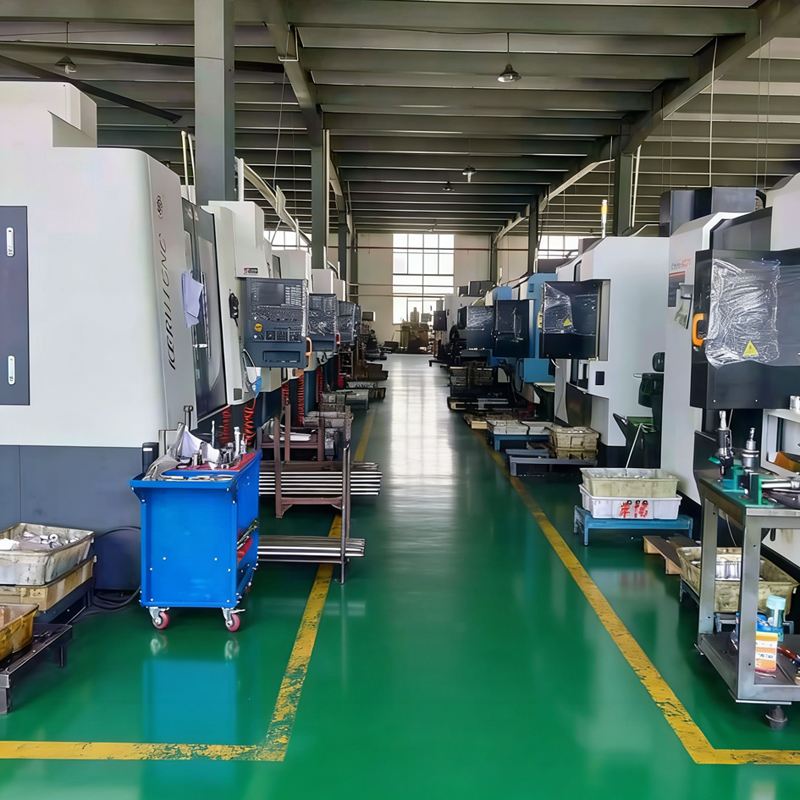
Quality assurance is maintained through rigorous production standards. Manufacturing systems certified under ISO 9001 utilize 23 in-process inspection steps to control key dimensional tolerances up to ±0.03mm. This guarantees precise thread fitment, uniform structural density, and smooth mechanical actuation under continuous field operation, as demonstrated in large-scale valve supply projects across North America and marine equipment installations in Europe.
Data/Solution Comparison
Comparing raw material characteristics and surface treatments helps identify the optimal hardware solution based on environmental exposure and structural load demands.
| Material / Grade | Outdoor Corrosion Resistance | Mechanical Load Capacity | Maintenance Requirement | Ideal Application Scenario |
|---|---|---|---|---|
| 316 Stainless Steel | High (Saline / Marine Resistant) | High | Low | Marine equipment, offshore cabinets, chemical processing facilities |
| 304 Stainless Steel | Medium-High (Standard Outdoor) | High | Low | Outdoor electrical cabinets, packaging lines, agricultural equipment |
| Carbon Steel (Zinc / Chrome Plated) | Low-Medium | High | Medium | Indoor machinery, heavy construction equipment, general assembly |
| Aluminum Alloy (Anodized) | Medium | Medium | Low | Lightweight automation devices, portable enclosures, electronics cabinets |
Frequently Asked Questions (FAQ)
Q: Why is Grade 316 stainless steel preferred over Grade 304 for severe outdoor cabinet handles?
A: Grade 316 stainless steel contains added molybdenum, which significantly enhances resistance to chloride corrosion, salt spray, and industrial pollutants compared to Grade 304, preventing localized pitting rust over time.
Q: What surface finish provides the best corrosion resistance for outdoor mechanical handles?
A: Electropolishing and passivation offer optimal performance. Electropolishing levels surface microscopic peaks to reduce contaminant adhesion, while passivation strengthens the passive chromium oxide corrosion barrier.
Q: Can custom dimensions, thread types, and logo markings be applied to industrial handles?
A: Yes. Custom manufacturing supports tailored handle lengths, grip diameters, metric or imperial male/female threads, specialized laser logo markings, and custom packaging based on technical drawings (CAD, STEP, DWG).
Final Conclusion & Recommendations
Selecting durable stainless steel handles for heavy-duty outdoor cabinets relies on matching material grades (304 vs 316) to environmental severity, verifying dimensional tolerance, and enforcing strict quality inspection protocols. Utilizing standardized metric or customized thread configurations ensures structural integrity under continuous load. Flexible OEM and ODM production capabilities support prototype sampling from 1 to 10 pieces up to full-scale mass production orders. For detailed technical solutions or support, please reach out to us via 86-15868979792.
About Us
ZheJiang Dream Industry Limited delivers turnkey precision manufacturing services for industrial hardware and operator controls. Established in 2008, the company operates a 2500sqm modern facility with 34 employees, providing precision CNC turning, milling, laser welding, and custom assembly. Certified under ISO 9001 (Certificate ZT-Q-24120011S), the company maintains 23 quality inspection procedures to serve industrial clients across more than 30 countries and regions worldwide.
Lastest
-
What key quality control documents should I request when auditing a potential CNC components factory?
2026-08-11 -
How long does it usually take a manufacturer to produce and ship custom CNC component prototypes?
2026-08-11 -
How do I choose between 3-axis and 5-axis CNC components for high-precision aerospace parts?
2026-08-11 -
Are there any emerging materials that could replace traditional steel CNC components to reduce weight?
2026-08-11 -
Can you explain the process of adding a custom logo and specific dimensions to a cast iron handwheel?
2026-08-11
SUBSCRIBE
INQUIRY