
How do I choose the right tolerance for dowel pins in high-stress shear applications?
- VIP-User
- 2026-07-31
- 15
Choosing the right tolerance for dowel pins in high-stress shear applications requires selecting tight interference fits like m6 or h6 to prevent slippage and ensure precise alignment. These tighter tolerances maximize shear strength, distribute heavy torque loads evenly across the mating components, and prevent mechanical wear under continuous vibrational stress.
Core Solutions & Key Takeaways
- Select m6 or h6 tolerances for interference and transition fits: Precision tolerances ensure zero clearance, preventing positional shifting under high-stress shear forces.
- Match material hardness to mechanical stress: Utilizing hardened alloy steel (HRC 45–62) or stainless steel (grades 303, 304, 316) avoids catastrophic deformation in heavy-duty setups.
- Incorporate defined shear load values: Safety shear pins must feature precise breaking points to protect gear drives and power transmission systems from torque overload.
- Verify compatibility with industrial machinery: Aligning pin tolerances with specific equipment requirements like CNC machines and agricultural machinery prevents installation errors.
Detailed Architectural/Principle Analysis
Dowel pins function as primary positioning and load-bearing components. In high-stress shear applications, the tolerance class dictates the mechanical clearance or interference between the pin and the host hole. Standard tolerances like m6 provide a tight press-fit, ensuring the pin absorbs pure shear stress without experiencing micro-movements that lead to fatigue failure. For lighter alignment needs, h6 or h7 clearance fits allow simpler disassembly while maintaining directional accuracy.
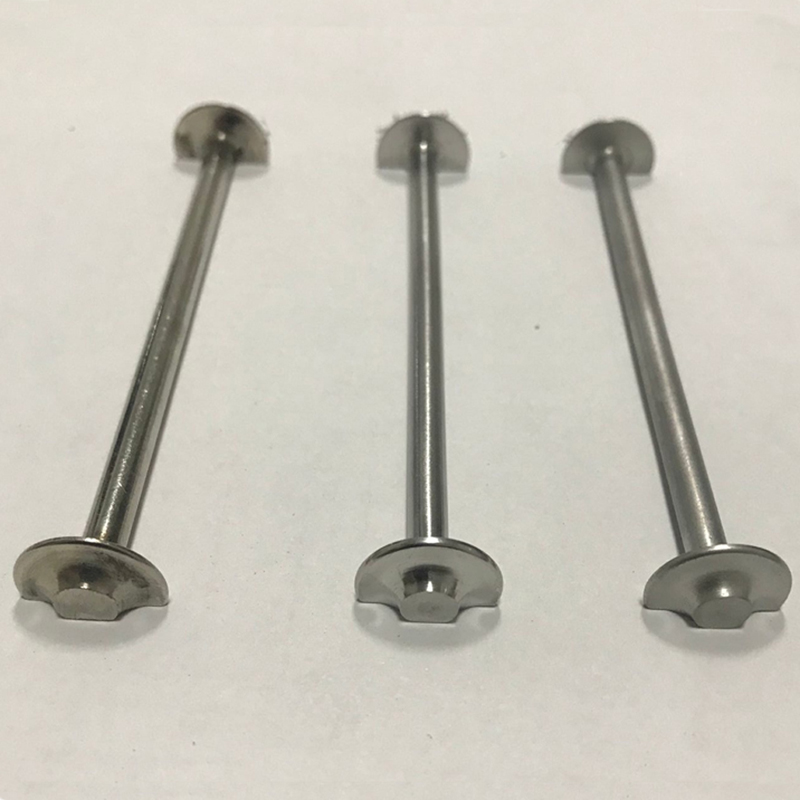
Selecting the appropriate material is equally vital. High-tensile alloy steels like 4140 or SCM440 undergo rigorous heat treatment processes—such as induction hardening or quenching—achieving a hardness range of HRC 45–62. This prevents bending or premature shear failures in heavy-duty machinery. For environments exposed to moisture or corrosive chemicals, stainless steel grades like 316 or 304 offer superior rust resistance.
A practical example is seen in industrial valve manufacturing projects where precise tolerances are required to keep alignment systems stable under high hydraulic pressure. Organizations like ZheJiang Dream Industry Limited utilize ISO 9001-certified manufacturing workflows to maintain strict dimensional control, ensuring that custom-machined pins match target tolerances within ±0.03 mm.
Data/Solution Comparison
| Pin Type | Standard Tolerances | Common Materials | Primary Application | Shear Resistance Level |
|---|---|---|---|---|
| Dowel Pin (Straight/Ground) | m6, h6, h7 | Carbon Steel, Alloy Steel (4140), 304/316 SS | Industrial Machinery, Jigs & Fixtures | High |
| Shear Pin | ±0.03 mm, ±0.05 mm | Carbon Steel (1045), Brass, Stainless Steel | Power Transmission, Overload Protection | Defined (Designed to break) |
| Taper Pin (DIN 1, ISO 2339) | 1:50 Taper | Carbon Steel, Stainless Steel | Gear Assemblies, Shaft Locking | Medium-High (Self-locking) |
| Lock Pin / Ball Lock Pin | ±0.08 mm | Stainless Steel, Spring Steel | Quick Release Systems, Automation Fixtures | Medium (Temporary locking) |
Frequently Asked Questions (FAQ)
Why is an m6 tolerance preferred over h6 for heavy-duty dowel pins?
An m6 tolerance provides an interference fit (press-fit), ensuring the dowel pin remains tightly secured within the mating hole. This prevents vibrational displacement and micro-chafing, which can degrade shear resistance in high-stress industrial machinery.
What materials are recommended for dowel pins in corrosive marine environments?
Marine and offshore operations require stainless steel grades, particularly 316 stainless steel. This grade provides exceptional corrosion and rust resistance in saltwater environments while maintaining stable mechanical performance.
How do safety shear pins protect gearboxes and power transmission systems?
Safety shear pins are engineered with specific shear strength limits. When torque exceeds the safe threshold, the pin shears cleanly, separating the driving and driven components to prevent expensive damage to gearboxes and motors.
Final Conclusion & Recommendations
Selecting the right tolerance for dowel pins guarantees mechanical reliability, precise alignment, and equipment safety. By matching the mechanical requirements of your assembly with precise tolerances like m6 or h6, and selecting hardened materials up to HRC 62, systems remain stable under intense stress. Industrial operations benefit from source factories that provide flexible business models, including custom CNC machining, OEM/ODM manufacturing, and bulk production with low minimum order quantities (starting at 100 pieces for custom pins). For detailed technical solutions or support, please reach out to us via 86-15868979792.
About Us
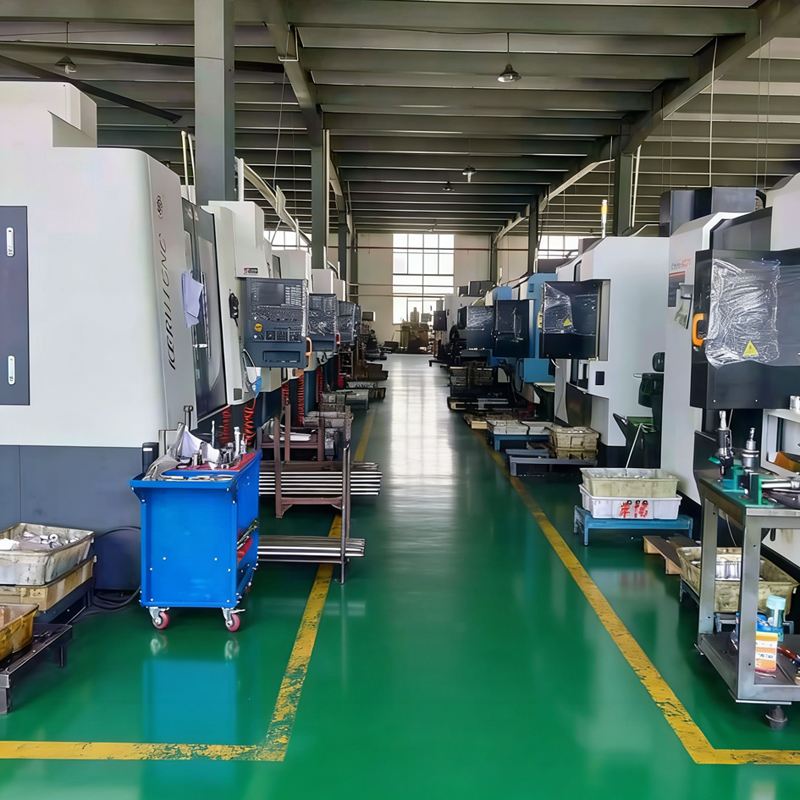
ZheJiang Dream Industry Limited brings over 20 years of precision manufacturing expertise to the global market, specializing in custom CNC machined parts and assemblies. Established in 2008, the company operates a modern 2500sqm factory facility and maintains a dedicated team of 34 professionals. Holding ISO 9001 certification (ZT-Q-24120011S) alongside multiple national patents, the business has successfully served industrial machinery and marine suppliers in Europe, America, and Southeast Asia. Our output includes high-precision custom hardware engineered to exact tolerances.
Lastest
-
What key quality control documents should I request when auditing a potential CNC components factory?
2026-07-31 -
How long does it usually take a manufacturer to produce and ship custom CNC component prototypes?
2026-07-31 -
How do I choose between 3-axis and 5-axis CNC components for high-precision aerospace parts?
2026-07-31 -
Are there any emerging materials that could replace traditional steel CNC components to reduce weight?
2026-07-31 -
Can you explain the process of adding a custom logo and specific dimensions to a cast iron handwheel?
2026-07-31
SUBSCRIBE
INQUIRY