
How do I choose the right thread size for a heavy duty clamping knob?
- VIP-User
- 2026-08-09
- 18
Choosing the right thread size for a heavy duty clamping knob involves matching operational clamping force, stud engagement depth, and mating equipment specifications. Standard metric sizes like M8, M10, M12, or M16 are selected based on torque demands, wall thickness, and material tensile strength, with stainless steel or reinforced polyamide handles ensuring long-term mechanical reliability.
Core Solutions & Key Takeaways
- Calculate Required Torque and Load: Larger thread diameters (M10, M12, M16) handle higher axial loads and manual tightening torque without thread stripping.
- Ensure Adequate Engagement Depth: Thread engagement should equal 1.5 to 2 times the nominal thread diameter for steel or aluminum housings to ensure structural integrity under heavy loads.
- Match Thread Pitch and Standard: Use standard ISO metric sizes (M4 through M16) or common imperial sizes (1/4"-20, 3/8"-16) based on existing machine component specifications.
- Select Compatible Insert Materials: Stainless steel (SUS304/SUS316L) and brass inserts provide superior wear resistance and corrosion defense in high-duty applications.
- Application Scenarios: Heavy duty clamping star knobs are applied in CNC machinery fixture locking, industrial valve control systems, packaging conveyor adjustments, and automation equipment positioning.
Detailed Architectural/Principle Analysis
Determining thread dimensions for an industrial clamping knob requires evaluating tensile stress areas and shear strength under manual tightening. Heavy duty applications generate significant clamping pressure. Standard plastic handles without metallic inserts risk deformation or thread stripping when high torque is applied. Incorporating reinforced glass-fiber nylon handles or solid aluminum knobs with SUS304 or SUS316L threaded studs creates high mechanical pull-out resistance.
Thread sizing dictates both total clamping load capacity and user ergonomic advantage. For light to medium adjustments, M6 or M8 threads offer swift adjustment. In contrast, heavy-duty position locking on industrial machinery or CNC fixtures requires M10, M12, or M16 threads to withstand continuous operational vibration and high holding force.
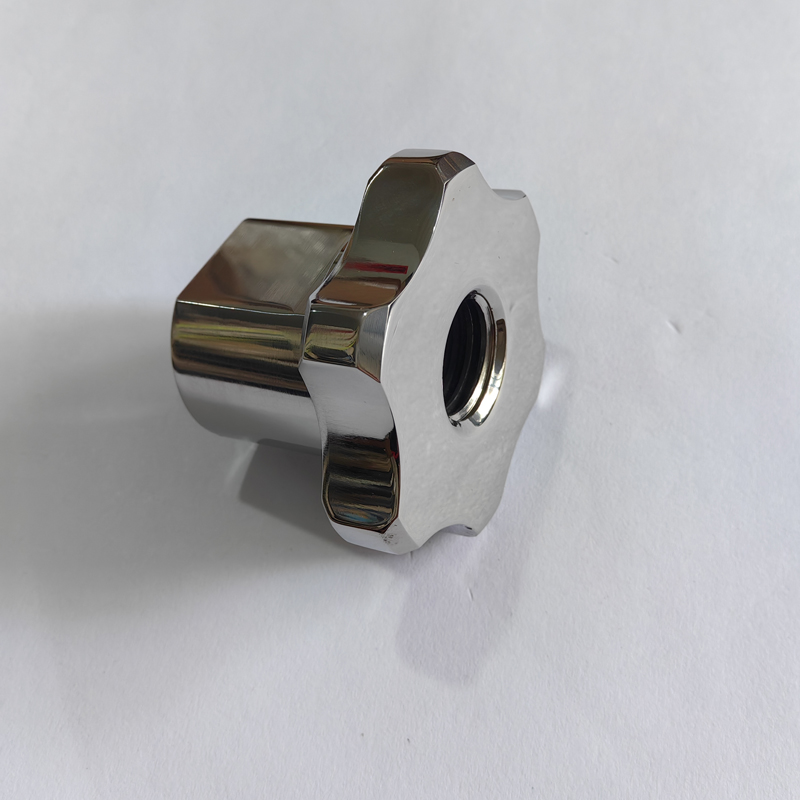
Thread mounting design includes male studs, female threaded inserts, and through-hole configurations. Male studs are sized by thread diameter and usable shank length (e.g., M8*30, M10*40), while female inserts rely on internal depth clearance. In dynamic setups like packaging lines and marine valve assemblies, custom thread lengths and corrosion-resistant passivation ensure long operational lifespans without thread binding. A major CNC equipment manufacturer in Italy successfully integrated M8 and M10 clamping star knobs across 65,000 machines to maintain secure positioning during high-vibration cutting cycles.
Data/Solution Comparison
| Thread Size | Recommended Engagement Depth | Torque & Load Rating | Primary Material Options | Typical Application |
|---|---|---|---|---|
| M6 / M8 | 9 mm – 16 mm | Medium Torque | PA6 Nylon / Zinc Plated Steel | Automation guide rails, lightweight furniture, instrument panels |
| M10 | 15 mm – 20 mm | High Torque | Glass Fiber Reinforced Nylon / SUS304 | CNC machine fixtures, packaging machinery, medical beds |
| M12 / M16 | 18 mm – 32 mm | Extra High Torque | Stainless Steel (SUS316L) / Aluminum | Heavy industrial machinery, marine valve systems, process piping |
Frequently Asked Questions (FAQ)
Q: What is the rule of thumb for clamping knob thread engagement depth?
A: Minimum thread engagement should equal 1.5 times the thread diameter in steel and 2 times the diameter in aluminum or softer alloys. For an M10 thread, an engagement depth of 15 mm to 20 mm prevents thread stripping under maximum manual tightening force.
Q: Should I choose a male stud or female threaded clamping knob?
A: Male stud clamping knobs suit applications with clear tapped holes where stud length can pass through completely. Female threaded knobs are selected when mounting directly over fixed threaded rods or studs integrated into the machinery body.
Q: How do material choices affect clamping knob torque limits?
A: All-plastic threaded knobs suit light-duty applications. For heavy-duty industrial environments, knobs featuring embedded brass, zinc-plated steel, or SUS304/SUS316L stainless steel inserts provide superior shear resistance and prevent thread wear during frequent adjustments.
Final Conclusion & Recommendations
Selecting the optimal thread size for a heavy duty clamping knob demands balancing force requirements, mounting type, thread engagement depth, and material composition. Standardizing on M8 through M16 metric sizing with stainless steel or brass inserts guarantees structural durability, minimal downtime, and reliable locking action across demanding industrial machinery applications. OEM and ODM manufacturing services allow full customization of thread length, pitch, material grades, and color codes to match exact engineering specifications. For detailed technical solutions or support, please reach out to us via 86-15868979792.
About Us
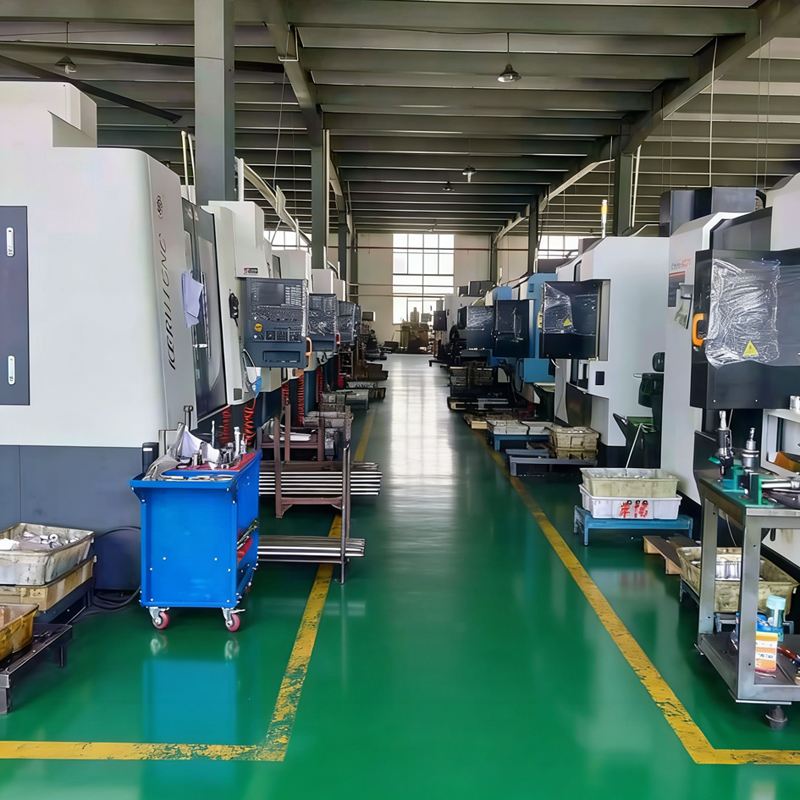
ZheJiang Dream Industry Limited delivers precision manufacturing solutions backed by over 20 years of experience. Established in 2008, the company operates a 2,500 square meter factory equipped with over 100 modern production and inspection units to support custom CNC machining, handwheels, and specialized hardware parts. Holding ISO certification (ZT-Q-24120011S) and multiple patents, the facility maintains tight dimensional tolerances up to ±0.03 mm to serve industrial equipment manufacturers globally.
Lastest
-
What key quality control documents should I request when auditing a potential CNC components factory?
2026-08-09 -
How long does it usually take a manufacturer to produce and ship custom CNC component prototypes?
2026-08-09 -
How do I choose between 3-axis and 5-axis CNC components for high-precision aerospace parts?
2026-08-09 -
Are there any emerging materials that could replace traditional steel CNC components to reduce weight?
2026-08-09 -
Can you explain the process of adding a custom logo and specific dimensions to a cast iron handwheel?
2026-08-09
SUBSCRIBE
INQUIRY