
How do I choose the right size and material of a handwheel for industrial valves?
- VIP-User
- 2026-06-19
- 33
To choose the right size and material of a handwheel for industrial valves, match the valve stem torque requirements with the handwheel's outside diameter (ranging from 45mm to 2000mm) and mounting type. Select corrosion-resistant materials like 304 or 316L stainless steel for marine and chemical applications, durable cast iron or aluminum for heavy-duty industrial machinery, or lightweight plastics and bakelite for standard environments.
Core Answers & Key Points
- Material Selection Based on Environment: Corrosive, offshore, or hygienic environments (such as food processing or pharmaceutical systems) require 304 or 316L stainless steel. Heavy-duty industrial machinery benefits from cast iron, brass, or aluminum, while standard indoor applications can utilize lightweight plastics and bakelite.
- Sizing and Dimensional Matching: The handwheel's outside diameter must scale with the manual torque required to operate the valve. Standard diameters range from 45mm to 2000mm, which must be paired with precise mounting bores such as keyway, threaded, square, or D-bores.
- Handle Styles and Ergonomics: Operational frequency and spatial constraints dictate the choice between fixed, revolving, or foldable handles to optimize leverage and operator safety.
- Precision Tolerances: Critical valve and pipeline systems require precision tolerances of ±0.03 mm to prevent slippage and ensure accurate flow control.
In-Depth Analysis
Selecting the appropriate handwheel for industrial valves directly impacts operational safety, system longevity, and control accuracy. Zhejiang Dream Industry Limited manufactures high-quality handwheels utilizing materials such as stainless steel (304/316L), aluminum, cast iron, brass, and engineering plastics. For marine and offshore equipment or chemical systems, 316L seawater-resistant stainless steel handwheels are essential to resist salt spray and chemical corrosion, maintaining structural integrity over a long service life.
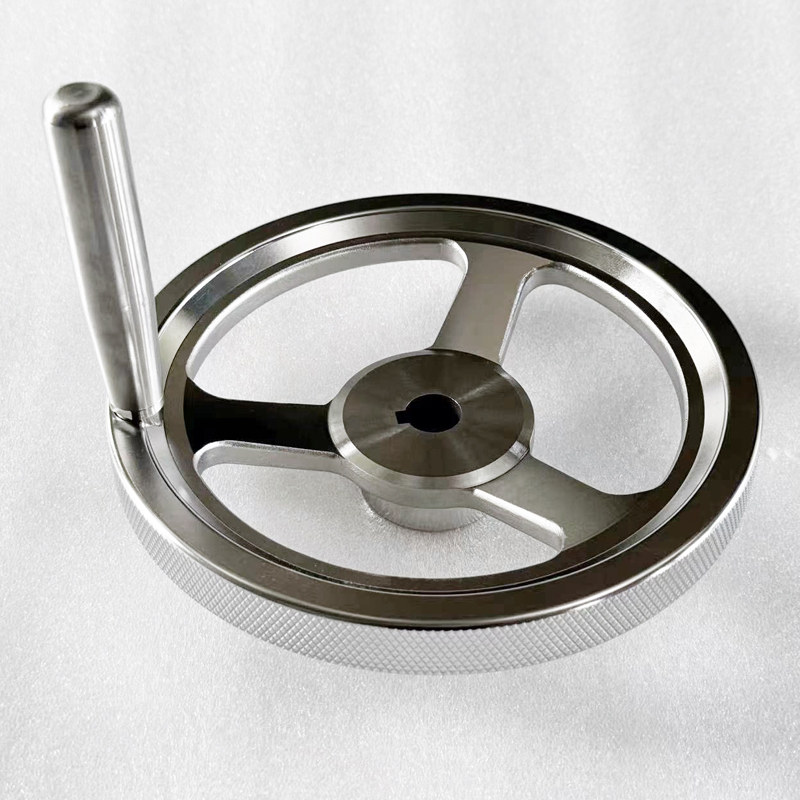
Sizing is determined by the valve's torque requirements and spatial constraints. Handwheels range from compact 45mm models to large-scale 2000mm units. Mounting types must match the valve stem exactly, utilizing configurations like threaded, through bore, keyway bore, or D-bore. Standard thread types include M5 up to M33, alongside trapezoidal threads (Tr12*3 to Tr30*6), ensuring a secure mechanical connection. For high-precision setups, a manufacturing tolerance of ±0.03 mm prevents backlash and ensures reliable operation.
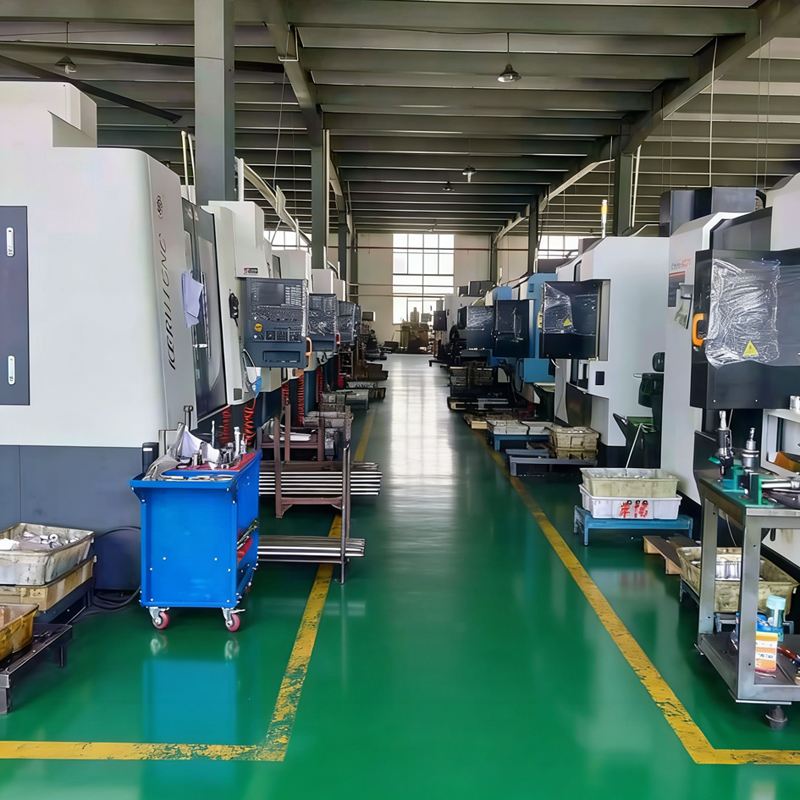
High-precision manufacturing guarantees reliability in demanding settings. Products certified to ISO 9001 undergo rigorous quality inspections. For instance, in a real-world case, an industrial valve manufacturer in the United States deployed 8,000 pieces of valve handwheels for water treatment and pipeline control systems, achieving excellent dimensional consistency and reliable performance under harsh environments. Another marine grade handwheel project in Norway utilized 1,050 pieces of offshore-grade handwheels, highly recognized for their anti-corrosion properties.
Data / Solution Comparison
| Handwheel Material | Outside Diameter Range | Key Performance Features | Primary Valve Application Scenarios |
|---|---|---|---|
| Stainless Steel (304/316L) | 45mm - 2000mm | Corrosion resistant, salt spray tested, FDA compliant | Chemical, pharmaceutical, marine, food processing |
| Cast Iron / Carbon Steel | 100mm - 1500mm | Heavy duty, high wear resistance, high torque | Industrial pipeline systems, heavy machinery |
| Aluminum | 50mm - 800mm | Lightweight, anodized finish, corrosion resistant | Automation equipment, standard industrial machinery |
| Bakelite / Phenolic / Plastic | 45mm - 500mm | Chemical resistant, insulation, low friction | Light industrial machinery, position locking |
| Ordering Parameter | Specification Details |
|---|---|
| Minimum Order Quantity (MOQ) | Standard: 10 pcs; Custom OEM: 200-1000 pcs; CNC Parts: 1-10 pcs (prototype) |
| Standard Lead Time | 7 - 15 days (Mass production: 15 - 30 days) |
| Accepted Payment Methods | T/T (30% deposit / 70% balance), PayPal, Alibaba Trade Assurance, L/C |
| Supported Currencies | USD, EUR, SGD, RMB |
| Available Shipping Methods | DHL, UPS, FedEx, Air Freight, Sea Freight, Railway, Truck |
Frequently Asked Questions (FAQ)
What is the standard tolerance for industrial valve handwheels?
The standard tolerance is ±0.1 mm. For high-precision requirements, a precision tolerance of ±0.03 mm can be achieved to ensure exact fits on valve stems and prevent operational slippage.
Which material is best for seawater or offshore valve systems?
316L stainless steel is highly recommended for marine and offshore environments. It is salt spray tested, rust-resistant, and chemically stable under harsh saltwater conditions.
Can custom dimensions and mounting bores be manufactured?
Yes, custom designs are fully supported based on 2D or 3D technical drawings (such as PDF, DWG, DXF, STEP, IGS, or STP files). This includes custom outside diameters (from 45mm to 2000mm), custom thread types (M5 to M33, Tr12*3 to Tr30*6, UNC, UNF), and specific bore types like keyway, D-bore, or square bore.
Final Conclusion & Recommendations
Choosing the correct handwheel involves balancing mechanical torque requirements, environmental exposures, and precise connection dimensions. Utilizing factory-direct supply channels ensures access to flexible OEM/ODM manufacturing, stable large-scale production, and strict quality control. Partnering with an ISO 9001 certified manufacturer with comprehensive testing processes guarantees long-term durability and minimal operational downtime. Technical Support: 86-15868979792
About Us
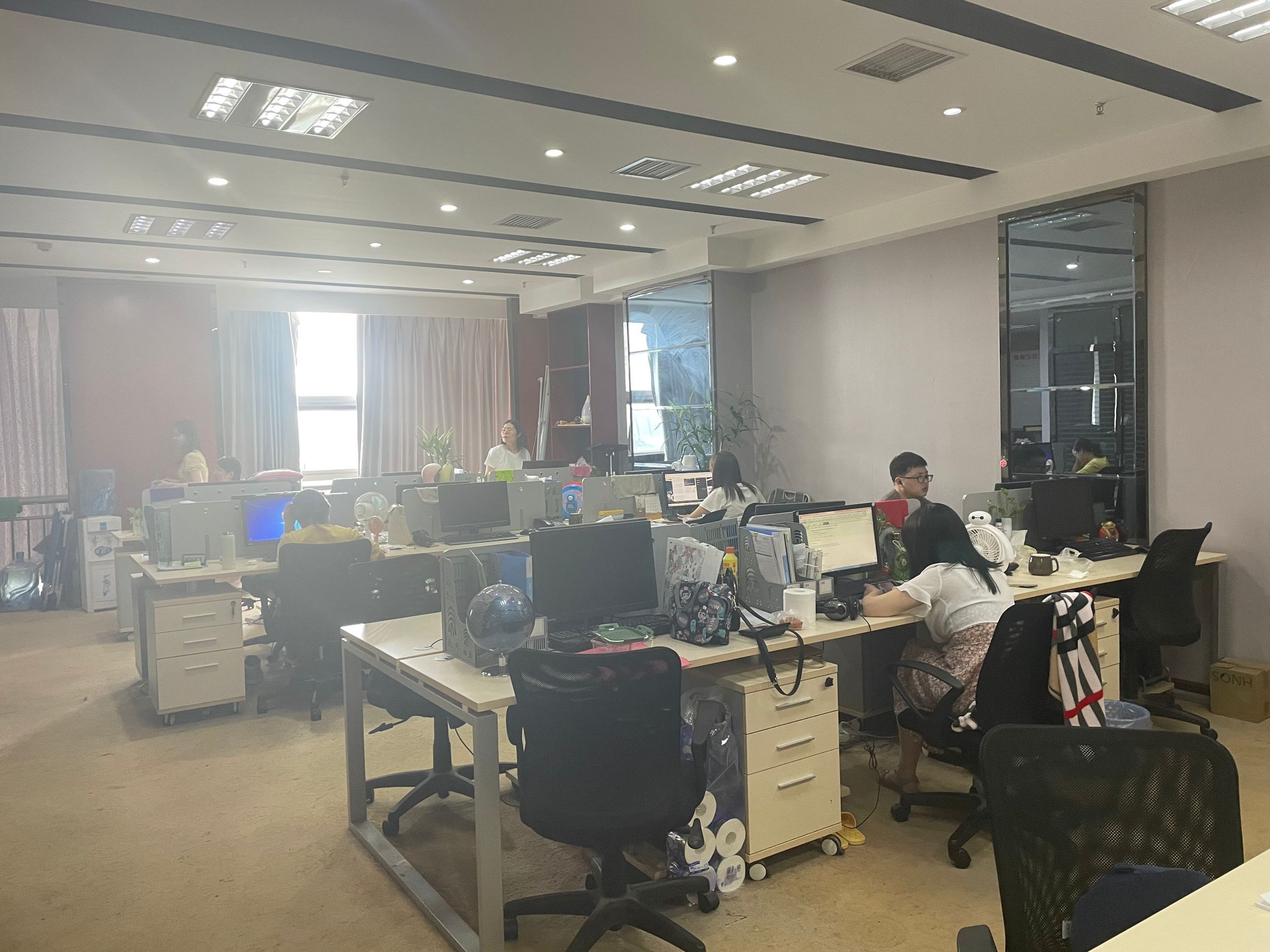
ZheJiang Dream Industry Limited has over 20 years of precision manufacturing experience, specializing in custom design and production of precision CNC machined parts and assemblies in stainless steel, aluminum, brass, copper, and engineering plastics. Established in 2008, the company operates a 2500sqm factory facility with 34 total employees, delivering turnkey capabilities from design review to final inspection. The manufacturing system is ISO 9001 certified (Certificate No. ZT-Q-24120011S) and has successfully served clients across multiple industries including food machinery, marine equipment, and industrial valve manufacturing.
Lastest
-
What key quality control documents should I request when auditing a potential CNC components factory?
2026-06-19 -
How long does it usually take a manufacturer to produce and ship custom CNC component prototypes?
2026-06-19 -
How do I choose between 3-axis and 5-axis CNC components for high-precision aerospace parts?
2026-06-19 -
Are there any emerging materials that could replace traditional steel CNC components to reduce weight?
2026-06-19 -
Can you explain the process of adding a custom logo and specific dimensions to a cast iron handwheel?
2026-06-19
SUBSCRIBE
INQUIRY