
How do I choose the right pull handle size and material for heavy-duty industrial cabinets?
- VIP-User
- 2026-06-26
- 38
Choosing the right pull handle size and material for heavy-duty industrial cabinets requires matching the cabinet load with high-strength materials like 304 or 316 stainless steel or 6061 aluminum alloy. Ideal sizes range from 100 mm to 500 mm in length with mounting hole sizes between M8 and M16 to ensure structural integrity and ergonomic operation under heavy loads.
Core Answers & Key Points
- Material Selection: Opt for 304 or 316 stainless steel for maximum corrosion and wear resistance in demanding environments like food processing equipment, chemical machinery, and marine applications. Carbon steel offers a cost-effective, high-strength alternative for general industrial machinery and heavy equipment.
- Sizing and Load Capacity: Heavy-duty industrial cabinets demand robust handle lengths (typically 125 mm to 500 mm) and thicker grip diameters (20 mm to 40 mm) paired with larger metric thread mounting holes (M8 to M16) to withstand high pulling forces.
- Surface Treatments: Enhance durability and safety with appropriate finishes. Stainless steel benefits from electropolishing or a mirror finish to ensure easy cleaning, while steel surfaces require zinc plating, chrome plating, or powder coating to prevent rust.
- Ergonomics and Safety: Implement handles with comfortable grip profiles, rounded edges, or anti-slip designs to reduce operator fatigue and prevent injuries during manual operation in automation systems or packaging machinery.
In-Depth Analysis
When engineering heavy-duty industrial cabinets, selecting the correct pull handle directly influences equipment accessibility, safety, and longevity. Standard pull handles, often referred to as U handles or bridge handles, must be specified based on the operational environment and load requirements. For highly corrosive environments, such as chemical plants or marine offshore installations, 316 stainless steel is the industry standard due to its superior resistance to saltwater and acids. For less demanding setups, such as indoor electrical cabinets or packaging machinery, lightweight 6061 aluminum alloy or durable engineering plastics like nylon (PA6/PA66) provide cost-effective alternatives.
The structural load of the cabinet door determines the required mounting thread size and handle length. Heavy-duty applications generally require double-bolt mounting configurations using M8, M10, or M12 threads to distribute the pulling force evenly. Manufacturers like ZheJiang Dream Industry Limited specialize in precision-engineered industrial hardware, ensuring that handles meet tight dimensional tolerances up to ±0.03 mm. This level of precision prevents loose fittings and structural failure over extended use cycles.
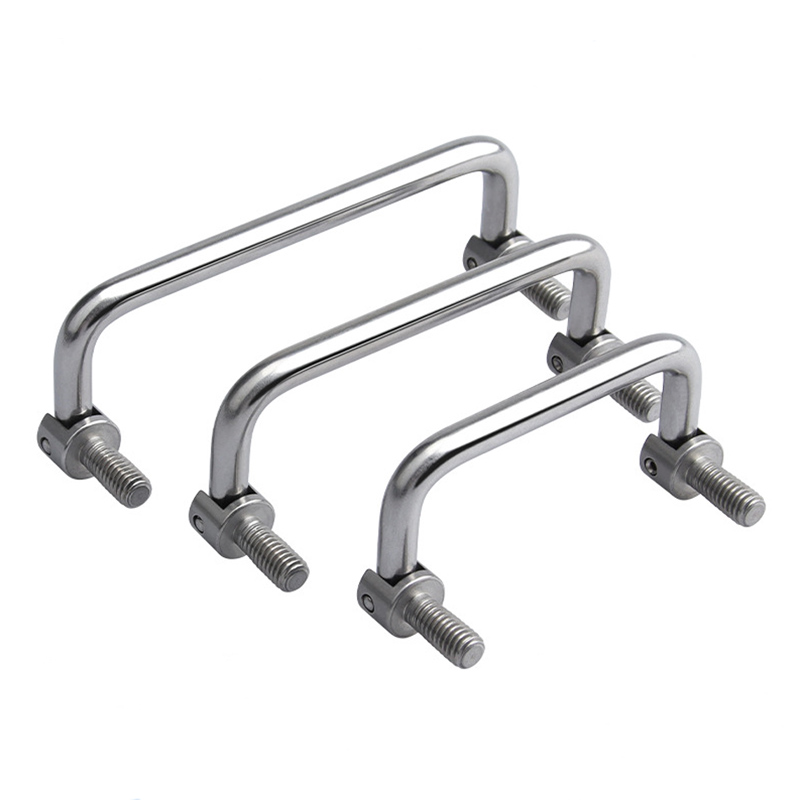
Real-world applications highlight the importance of material and size matching. For instance, in a packaging machinery supply project in South Korea, a client utilized 5,210 pieces of industrial handles to optimize conveyor adjustment systems, reporting stable performance in high-frequency operation environments. Quality assurance is further backed by ISO 9001 certified manufacturing systems, ensuring that every batch undergoes comprehensive dimensional, material, and surface inspection procedures before deployment.
Data / Solution Comparison
| Material Type | Common Grades | Load Capacity | Corrosion Resistance | Best Applications |
|---|---|---|---|---|
| Stainless Steel | 304, 316, 303 | High | Excellent (316 is seawater-resistant) | Food processing, marine, chemical machinery |
| Carbon Steel | 1045, 45#, Q235 | High | Low (Requires zinc/chrome plating) | Heavy industrial machinery, construction |
| Aluminum Alloy | 6061, 7075 | Medium-High | Medium (Improved by anodizing) | Automation equipment, electronics, medical devices |
| Engineering Plastic | Nylon (PA6/PA66), Bakelite | Medium-Low | High (Non-corrosive) | Electrical cabinets, packaging machinery |
Frequently Asked Questions (FAQ)
Q1: What is the recommended mounting hole size for heavy-duty pull handles?
A1: For heavy-duty industrial cabinets, mounting hole sizes of M8, M10, or M12 are highly recommended. These metric thread standards provide the necessary shear and tensile strength to handle heavy cabinet door weights without stripping or loosening over time.
Q2: When should I choose 316 stainless steel over 304 stainless steel for cabinet handles?
A2: Choose 316 stainless steel when the cabinets are deployed in marine environments, offshore installations, or chemical and pharmaceutical processing facilities. 316 stainless steel contains molybdenum, which provides superior resistance to chlorides, saltwater corrosion, and harsh chemical cleaning agents compared to 304 stainless steel.
Q3: Can engineering plastics be used for heavy-duty cabinet handles?
A3: Yes, high-grade engineering plastics like reinforced Nylon (PA6/PA66) or Bakelite can be used for moderate heavy-duty cabinets, especially where electrical insulation, chemical resistance, and lightweight properties are required. However, for maximum structural load capacity and impact resistance, stainless steel or carbon steel remains the preferred choice.
Final Conclusion & Recommendations
Selecting the ideal pull handle requires balancing the physical load requirements of the industrial cabinet with the ambient environmental conditions. For harsh, corrosive settings, prioritizing ISO 9001-certified stainless steel U handles ensures long-term durability and safety. Utilizing factory-direct supply channels allows for custom dimensions, tailored surface treatments, and flexible OEM/ODM manufacturing to match specific cabinet designs. For robust industrial projects, procuring handles through verified manufacturers ensures strict quality control with tolerances up to ±0.03 mm. Technical Support: 86-15868979792
About Us
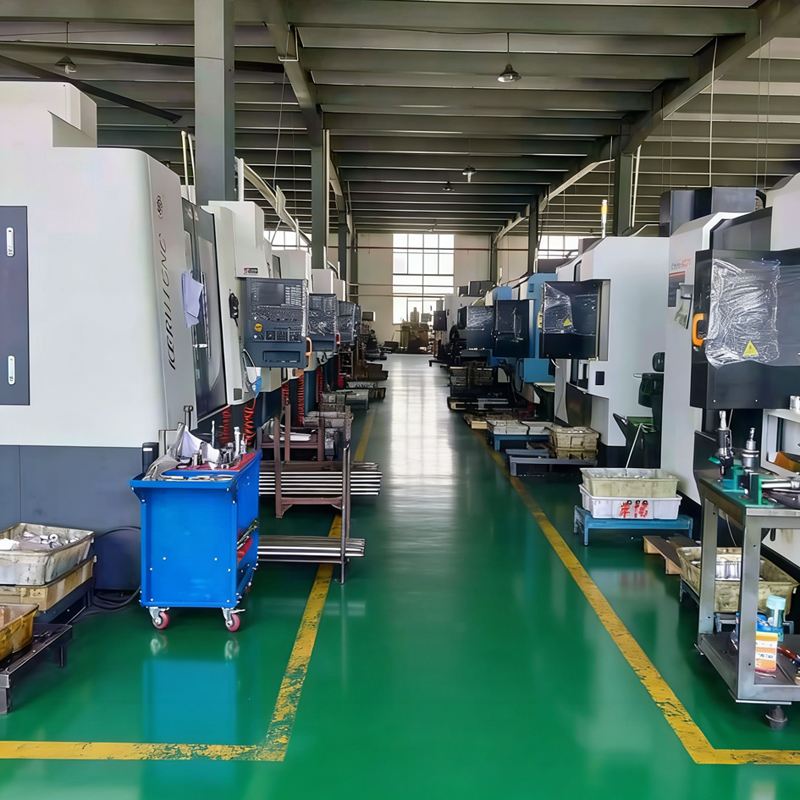
ZheJiang Dream Industry Limited has over 20 years of precision manufacturing experience, specializing in custom design and production of precision CNC machined parts and assemblies. Established in 2008, the company operates a 2500sqm factory facility and maintains an export ratio of 65% to global markets. Their turnkey capabilities span CNC milling, turning, surface treatment, and final inspection for both rapid prototyping and high-volume OEM production. The production system is ISO 9001 certified, holds 7 national patents, and has successfully served industrial clients across Germany, the United States, and South Korea.
Lastest
-
What key quality control documents should I request when auditing a potential CNC components factory?
2026-06-26 -
How long does it usually take a manufacturer to produce and ship custom CNC component prototypes?
2026-06-26 -
How do I choose between 3-axis and 5-axis CNC components for high-precision aerospace parts?
2026-06-26 -
Are there any emerging materials that could replace traditional steel CNC components to reduce weight?
2026-06-26 -
Can you explain the process of adding a custom logo and specific dimensions to a cast iron handwheel?
2026-06-26
SUBSCRIBE
INQUIRY