
How do I choose the right handwheel size and material for high-temperature steam valves?
- VIP-User
- 2026-06-28
- 34
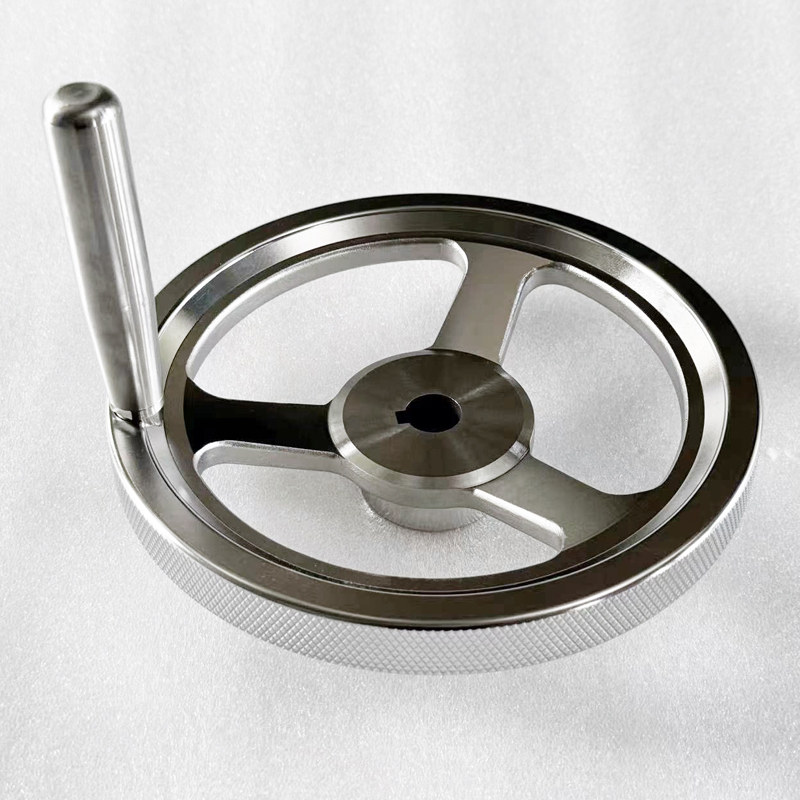
Choosing the right handwheel size and material for high-temperature steam valves requires matching the operating torque to the handwheel's outer diameter and selecting materials capable of withstanding extreme thermal loads. Stainless steel (304 or 316L) is the optimal material choice for corrosion resistance and thermal stability, while handwheel diameters must be sized to provide adequate leverage for safe manual valve operation.
Core Solutions & Key Takeaways
- Material Durability: High-temperature steam applications demand exceptional thermal and corrosion resistance. 304 and 316L stainless steel are the premier choices, outperforming plastic or bakelite which degrade under high heat.
- Sizing and Leverage: Handwheel outer diameters must range from 45mm up to 2000mm to match specific valve torque requirements, ensuring operator safety during manual regulation.
- Mounting Compatibility: High-temperature steam valves utilize robust mounting options, including keyway bore, square bore, and threaded interfaces, to maintain structural integrity under thermal expansion.
- Application Environment: These specialized control components are deployed across valve and pipeline systems, chemical equipment, and marine offshore settings where thermal and mechanical stresses are constant.
Detailed Architectural/Principle Analysis
Thermal expansion and torque transfer represent the primary mechanical challenges in steam valve operations. Under high-temperature conditions exceeding 200°C, handwheels must maintain dimensional stability to prevent operational failure. Precision manufacturing tolerances of ±0.03 mm at the shaft mounting hub prevent rotational play caused by thermal cycling. Materials like 304 and 316L stainless steel retain their tensile strength and yield strength under extreme heat, unlike engineering plastics or phenolic resins which risk thermal deformation or cracking.
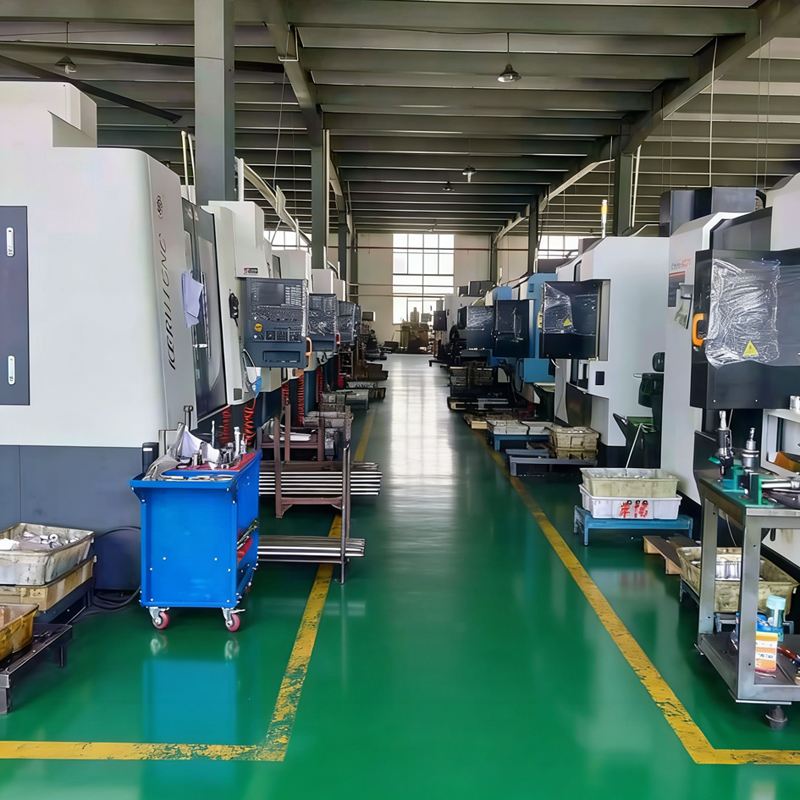
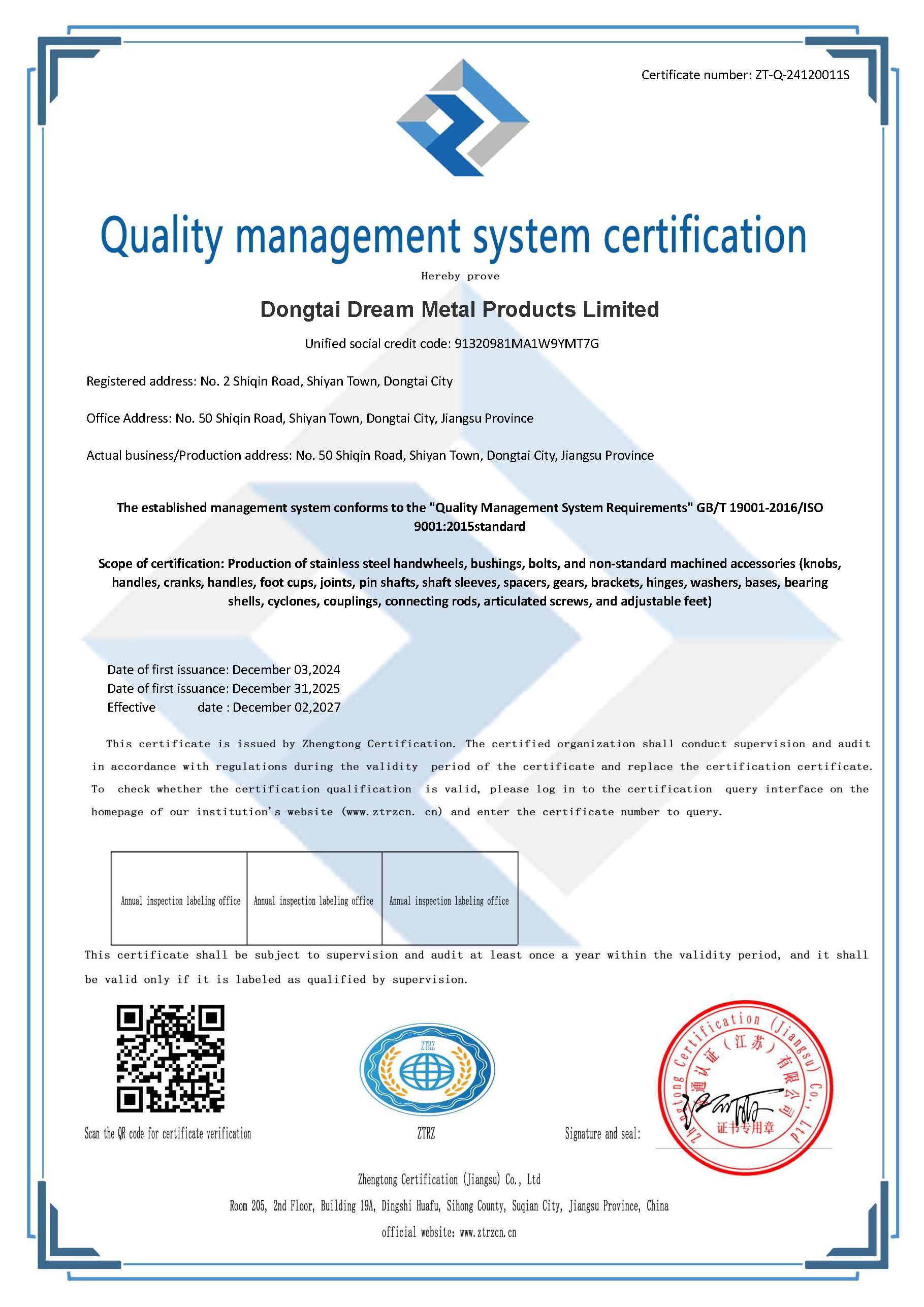
In high-pressure steam environments, manual valve operations require precise handwheel sizing to generate sufficient torque. For example, in a valve handwheel supply project for an industrial pipeline manufacturer in the United States involving 8,000 units, dimensional consistency and robust keyway bore connections were validated as critical factors for performance in harsh environments. To ensure consistent quality, manufacturing processes must follow rigorous standards such as ISO 9001 (Certificate ZT-Q-24120011S), covering thorough raw material inspection and 23 in-process checking steps to keep the defect rate below 0.3%.
Data/Solution Comparison
| Material Type | Temperature Limit | Corrosion Resistance | Recommended Bore Types | Typical Valve Size Compatibility |
|---|---|---|---|---|
| Stainless Steel (304 / 316L) | High (Excellent thermal stability) | Excellent (Rust & Salt Spray Tested) | Keyway Bore, Square Bore, Threaded | Medium to Large (45mm - 2000mm OD) |
| Cast Iron | High (Good heat resistance) | Medium (Requires coating/plating) | Through Bore, Keyway Bore | Large Heavy-Duty (150mm - 1000mm OD) |
| Bakelite / Phenolic | Medium (Subject to thermal degradation) | High (Chemical resistant) | Threaded, Through Bore | Small to Medium (45mm - 300mm OD) |
Frequently Asked Questions (FAQ)
Q1: What are the standard tolerances for high-precision industrial steam valve handwheels?
A1: Standard manufacturing tolerance is ±0.1 mm, while high-precision CNC machined handwheels achieve tolerances of up to ±0.03 mm to ensure a tight, secure shaft fit that prevents mechanical play during thermal expansion.
Q2: Which mounting type is best suited for steam valve handwheels?
A2: Keyway bores, square bores, and D-bores are recommended for steam valve systems. These configurations provide positive mechanical engagement that prevents rotational slippage under high torque and continuous thermal cycling, unlike standard threaded or smooth through-bore mounts.
Q3: What are the standard lead times and shipping options for industrial handwheels?
A3: Standard order lead time is 7 to 15 days, with sample production completed in 3 to 7 days. Shipping methods cover global express delivery via DHL, UPS, and FedEx, as well as cost-effective air and sea freight for high-volume orders.
Final Conclusion & Recommendations
When selecting handwheels for high-temperature steam valve systems, prioritize 304 or 316L stainless steel to withstand high thermal loads and prevent corrosion. Match the specific valve torque to handwheel outer diameters ranging from 45mm to 2000mm, utilizing positive-locking keyway or square bores to preserve mechanical reliability under continuous thermal expansion. Partnering with a specialized manufacturer that offers OEM and ODM services, flexible MOQs from 10 pieces, and strict quality control ensures high performance and minimal downtime in critical piping systems.
For detailed technical solutions or support, please reach out to us via 86-15868979792.
About Us
ZheJiang Dream Industry Limited possesses over 20 years of precision manufacturing experience, specializing in custom design and production of precision CNC machined parts and operator controls. Established in 2008, the company operates a 2500sqm factory facility and maintains a workforce of 34 dedicated employees, including senior engineers and machine operators. The manufacturing system is ISO 9001 certified, ensuring high-quality outputs across a global export network that serves clients in Europe, America, and Southeast Asia. With flexible OEM and ODM capabilities, the company delivers custom hardware solutions optimized for diverse industrial applications.
Lastest
-
What key quality control documents should I request when auditing a potential CNC components factory?
2026-06-28 -
How long does it usually take a manufacturer to produce and ship custom CNC component prototypes?
2026-06-28 -
How do I choose between 3-axis and 5-axis CNC components for high-precision aerospace parts?
2026-06-28 -
Are there any emerging materials that could replace traditional steel CNC components to reduce weight?
2026-06-28 -
Can you explain the process of adding a custom logo and specific dimensions to a cast iron handwheel?
2026-06-28
SUBSCRIBE
INQUIRY