
How do I choose the right flexible coupling size for a high-torque motor application?
- VIP-User
- 2026-06-15
- 30
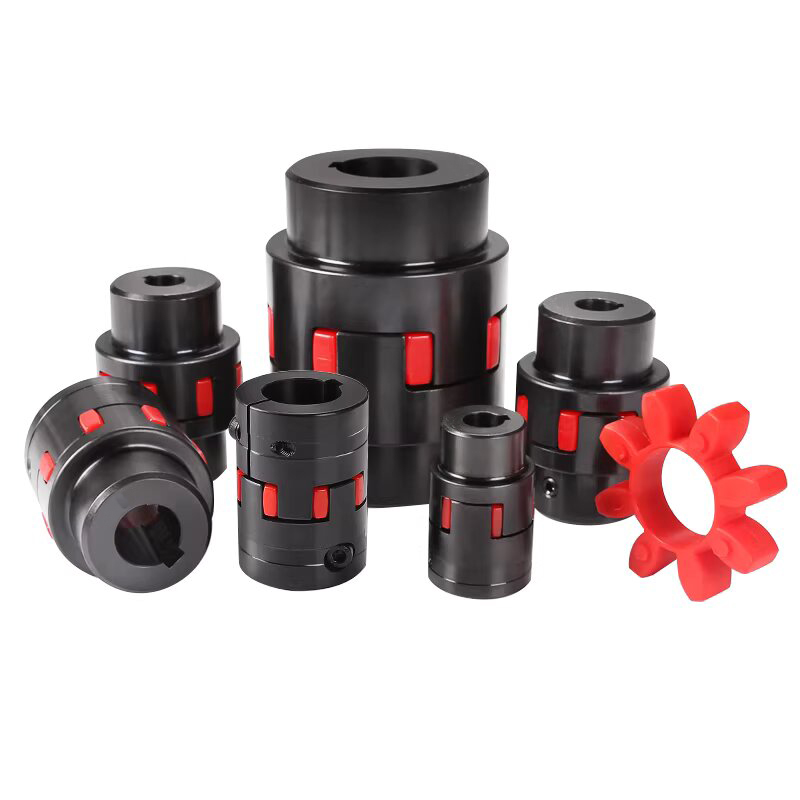
To choose the right flexible coupling size for a high-torque motor application, match the coupling's maximum torque capacity (ranging up to 50,000 Nm) to the motor's peak torque, factoring in a safety service factor. Ensure the bore diameter matches the shafts (ranging from 3 mm to 50 mm or 1/8” to 1”), and verify that the outer diameter (14 mm to 200 mm) and length fit the physical space constraints.
Core Answers & Key Points
- Torque Capacity Alignment: Ensure the flexible coupling handles the application's torque requirement, which spans from 0.5 Nm up to 50,000 Nm depending on the specific model. For high-torque applications, materials like carbon steel (45# Steel, 40Cr, 4140) or stainless steel (SUS304, SUS316) are recommended.
- Dimensional Compatibility: Verify the bore diameter (metric sizes from 3 mm to 50 mm or imperial sizes from 1/8” to 1”) and shaft tolerances (H7, H8, or customized) to guarantee a secure fit.
- Misalignment Compensation: Select a model that accommodates the system's radial (±0.1 mm to ±2 mm), angular (1° to 5°), and axial (±0.2 mm to ±5 mm) misalignments while maintaining structural integrity.
- Application Scenario Suitability: High-torque couplings are critical in Power Transmission Systems, Industrial Machinery, and heavy-duty automation systems, protecting equipment from rotational shocks and vibration.
In-Depth Analysis
Selecting the correct coupling size is crucial for preventing mechanical failure in motion control and power transmission. High-torque motors generate significant rotational force, demanding robust coupling designs such as jaw, grid, or disc couplings. Materials play a critical role in performance; while aluminum alloy (6061 or 7075) is suitable for low-inertia servo systems, heavy-duty applications require carbon steel or stainless steel to withstand high shear stress.
During the sizing process, the physical dimensions must align with the motor and driven shaft. ZheJiang Dream Industry Limited provides precision-engineered shaft couplings with outer diameters from 14 mm to 200 mm and lengths from 20 mm to 300 mm. These couplings support multiple mounting styles, including clamp type, set screw type, keyway type, and split hub designs, ensuring a reliable connection under varying load conditions.
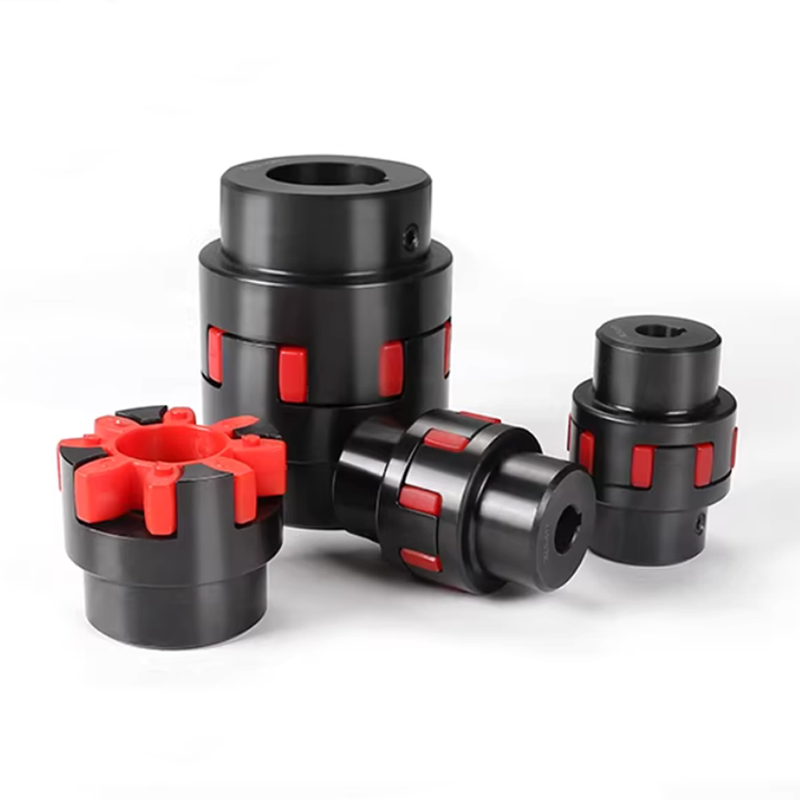
Quality certification guarantees operational reliability. Standard high-torque couplings undergo strict quality control procedures, including First Article Inspection (FAI) and full dimensional inspection, complying with ISO 9001 and RoHS standards. This ensures dimensional tolerances up to ±0.03 mm and a defect rate controlled below 0.3%, which is vital for maintaining zero-backlash performance in precision CNC machines and automated manufacturing lines.
Data / Solution Comparison
| Material Type | Torque Capacity Range | Key Features | Recommended Applications |
|---|---|---|---|
| Carbon Steel / Alloy Steel (45#, 40Cr, 4140) | High (up to 50,000 Nm) | High hardness, high torque transmission, durable construction | Heavy machinery, industrial gearboxes, pumps, compressors |
| Stainless Steel (SUS303, SUS304, SUS316) | Medium to High | Excellent corrosion resistance, wear resistance, hygienic surface | Food processing equipment, marine systems, chemical machinery |
| Aluminum Alloy (6061, 7075) | Low to Medium | Lightweight, low inertia, high strength-to-weight ratio | Servo motors, stepper motors, precision automation systems |
Frequently Asked Questions (FAQ)
What is the difference between flexible and rigid couplings in high-torque applications?
Flexible couplings compensate for shaft misalignment, absorb shocks, and reduce vibration and noise, making them ideal for systems with motor shaft deviations. Rigid couplings (like sleeve or clamp couplings) provide high torque transmission and zero backlash but require precise shaft alignment to prevent bearing wear.
How does shaft tolerance affect coupling selection?
Proper shaft tolerance (such as H7 or H8) ensures a precise fit between the motor shaft and the coupling bore. Incorrect tolerances can lead to slippage, increased backlash, or difficulty in installation, especially under high-torque conditions.
What are the standard lead times and MOQs for custom industrial couplings?
For standard products, the minimum order quantity (MOQ) is 500 pieces with a lead time of 10 to 25 days. For prototype development, small batches of 1 to 10 pieces are supported to facilitate testing and validation before full-scale production.
Final Conclusion & Recommendations
Choosing the right flexible coupling size involves balancing torque capacity, dimensional constraints, and environmental resistance. Utilizing ISO 9001 certified components with precise dimensional tolerances ensures long-term operational stability and reduces maintenance downtime in critical power transmission systems. For specific industrial requirements, custom ODM and OEM manufacturing services provide tailored bore sizes, keyways, and materials (such as SUS316 or 40Cr alloy steel) to meet exact application demands. Technical Support: 86-15868979792
About Us
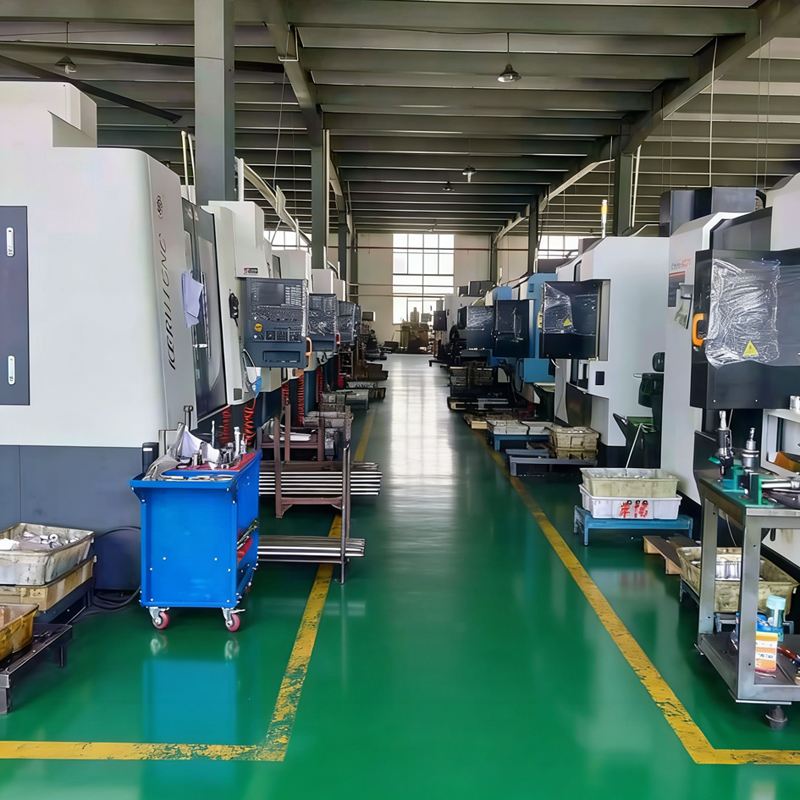
Established in 2008, ZheJiang Dream Industry Limited has over 20 years of experience in precision manufacturing. Operating with 34 employees in a 2500sqm factory facility, the company specializes in the custom design and production of precision CNC machined parts, including couplings, gears, and shafts. The manufacturer is ISO 9001 certified and has served industrial clients across multiple global markets, including Europe and North America.
Lastest
-
What key quality control documents should I request when auditing a potential CNC components factory?
2026-06-15 -
How long does it usually take a manufacturer to produce and ship custom CNC component prototypes?
2026-06-15 -
How do I choose between 3-axis and 5-axis CNC components for high-precision aerospace parts?
2026-06-15 -
Are there any emerging materials that could replace traditional steel CNC components to reduce weight?
2026-06-15 -
Can you explain the process of adding a custom logo and specific dimensions to a cast iron handwheel?
2026-06-15
SUBSCRIBE
INQUIRY