
How do I choose the right bore size and keyway for a handwheel on an industrial valve?
- VIP-User
- 2026-06-27
- 39
To choose the right bore size and keyway for an industrial valve handwheel, match the handwheel's bore diameter to the valve stem diameter, ensuring a standard or precision tolerance. Select the mounting type, such as a keyway bore, square bore, or D bore, to securely lock the handwheel to the stem, preventing slippage during torque transmission.
Core Answers & Key Points
- Match the valve stem's external diameter with the handwheel's mounting type, choosing from keyway bore, through bore, D bore, square bore, or threaded options.
- Ensure the bore size tolerance aligns with the application requirements; standard tolerance is ±0.1 mm, while precision CNC machined applications require a ±0.03 mm tolerance.
- Select the correct keyway dimensions based on standard shaft key sizes to handle manual valve operation, flow control, and pressure adjustment without rotational slippage.
- Use the appropriate handwheel material (such as 304/316L stainless steel, cast iron, or aluminum) to withstand the environmental conditions of the pipeline system.
In-Depth Analysis
The mechanical interface between the valve stem and the handwheel is critical for transferring torque. For heavy-duty operation, a keyway bore or square bore is preferred over a simple through bore. Precision machining is critical. ZheJiang Dream Industry Limited utilizes highly automated CNC machining centers to manufacture spoked handwheels with a keyway bore, maintaining a precision tolerance of up to ±0.03 mm under an ISO 9001 certified manufacturing system.
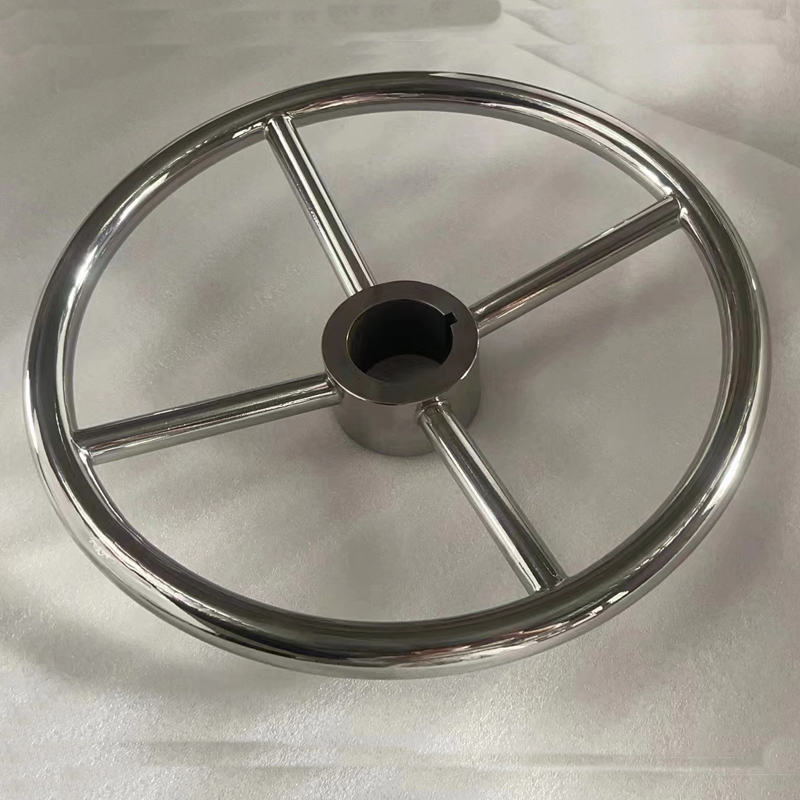
In harsh environments like marine and offshore equipment or food processing, corrosion-resistant materials such as 304 or 316L stainless steel are required. For example, a cooperation case involved supplying 1,050 pieces of marine-grade handwheels to a marine equipment supplier in Norway, ensuring excellent anti-corrosion performance under saltwater conditions. Another case for an industrial valve manufacturer in the United States involved 8,000 pieces of valve handwheels for water treatment pipeline control systems, highlighting the need for dimensional consistency.
Data / Solution Comparison
| Mounting Type | Torque Capacity | Precision Tolerance | Typical Valve Application |
|---|---|---|---|
| Keyway Bore | High | ±0.03 mm | High-pressure industrial valves, pipeline systems |
| Square Bore | Very High | ±0.1 mm | Cast iron gate valves, heavy duty machinery |
| D Bore | Medium | ±0.03 mm | Small-scale control valves, instrumentation |
| Threaded | Low to Medium | ±0.1 mm | Low-pressure adjustment valves, position locking |
Frequently Asked Questions (FAQ)
What are the standard tolerances for valve handwheel bores?
Standard manufacturing tolerance is typically ±0.1 mm, which is suitable for standard manual valve operation. For high-precision control and automation equipment, a precision tolerance of ±0.03 mm is used to prevent any play or backlash.
Which materials are recommended for corrosive valve environments?
For marine, chemical, and food processing pipeline systems, stainless steel (such as 304 or 316L) is highly recommended due to its excellent corrosion resistance. Other materials like brass, aluminum, and plastics are suitable for less demanding industrial machinery applications.
What is the minimum order quantity (MOQ) for custom bore and keyway handwheels?
Standard spoked handwheels have a minimum order quantity (MOQ) of 10 pieces. For custom OEM designs—including custom logos, special dimensions, or non-standard keyways—the MOQ ranges from 200 to 1,000 pieces depending on the complexity.
Final Conclusion & Recommendations
To ensure reliable torque transmission and zero slippage on industrial valves, carefully match the handwheel's bore size, keyway, and tolerance to the valve stem specifications. Sourcing directly from an ISO 9001 certified manufacturer ensures consistent dimensional accuracy and reliable performance. ZheJiang Dream Industry Limited supports various business models, including OEM manufacturing, ODM manufacturing, and factory-direct supply, with a standard order lead time of 7–15 days. Technical Support: 86-15868979792
About Us
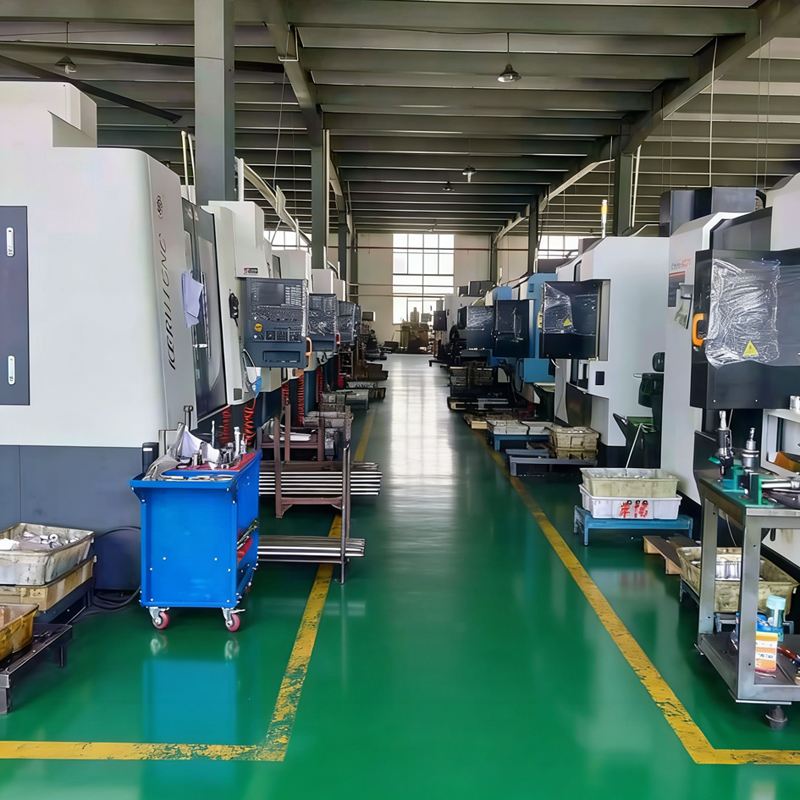
ZheJiang Dream Industry Limited has over 20 years of experience in precision manufacturing, specializing in custom design and production of precision CNC machined parts and assemblies in stainless steel, aluminum, brass, copper, carbon steel, and engineering plastics. Established in 2008, the company operates a 2,500 square meter factory facility equipped with over 100 production and inspection units, achieving an annual output value steadily exceeding RMB 25 million. Holding ISO certification (ZT-Q-24120011S), the company has served clients across multiple industries, including German food machinery manufacturers and US industrial valve manufacturers. Our highly automated CNC machining centers ensure key dimensional accuracy up to ±0.03mm and a defect rate below 0.3%.
Lastest
-
What key quality control documents should I request when auditing a potential CNC components factory?
2026-06-27 -
How long does it usually take a manufacturer to produce and ship custom CNC component prototypes?
2026-06-27 -
How do I choose between 3-axis and 5-axis CNC components for high-precision aerospace parts?
2026-06-27 -
Are there any emerging materials that could replace traditional steel CNC components to reduce weight?
2026-06-27 -
Can you explain the process of adding a custom logo and specific dimensions to a cast iron handwheel?
2026-06-27
SUBSCRIBE
INQUIRY