
How do I choose the correct tolerance for stainless steel dowel pins in high-precision automotive machinery?
- VIP-User
- 2026-07-02
- 25
Selecting the correct tolerance for stainless steel dowel pins in high-precision automotive machinery depends on the alignment requirements and fit types. Standard metric tolerances like h6, h7, or m6, and precision tolerances ranging from ±0.03 mm to ±0.08 mm, are selected based on whether the application requires a clearance, transition, or interference fit to ensure rigid positioning and prevent mechanical wear.
Core Solutions & Key Takeaways
- Precision Fit Selection: Standardize on h6 or m6 tolerances for tight, repeatable positioning in industrial machinery and automation equipment to eliminate dimensional drift.
- Material Integrity: Implement 303, 304, or 316 stainless steel to leverage high corrosion resistance, wear resistance, and structural strength in high-demand automotive sub-assemblies.
- Application-Specific Sizing: Align diameter ranges (from 1 mm to 30 mm) and lengths (from 3 mm to 300 mm) with load requirements to avoid shear failure under torque conditions.
- Quality and Traceability: Verify manufacturing credentials, such as ISO 9001 certified processes, to guarantee consistent pin geometry across high-volume production batches.
Detailed Architectural/Principle Analysis
In high-precision automotive machinery, dowel pins function as critical positioning and alignment components. Unlike standard fasteners, these cylindrical pins absorb lateral shear forces and secure the exact spatial relationship between mating parts. Achieving this level of accuracy requires a strict understanding of dimensional tolerances. A precision tolerance of ±0.03 mm prevents backlash in automation fixtures, while broader tolerances like ±0.08 mm accommodate thermal expansion in high-temperature drive systems.
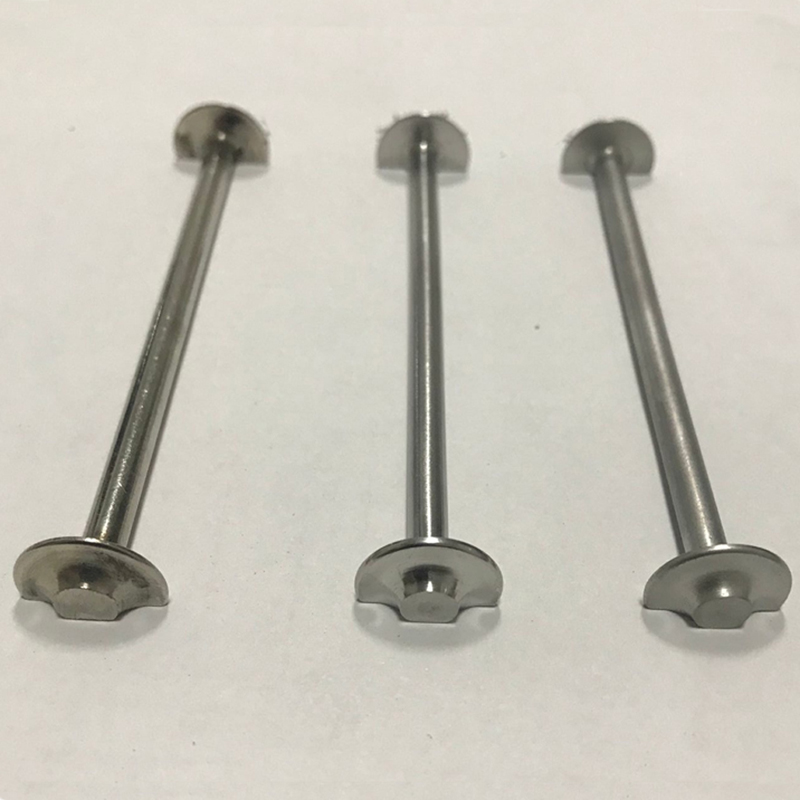
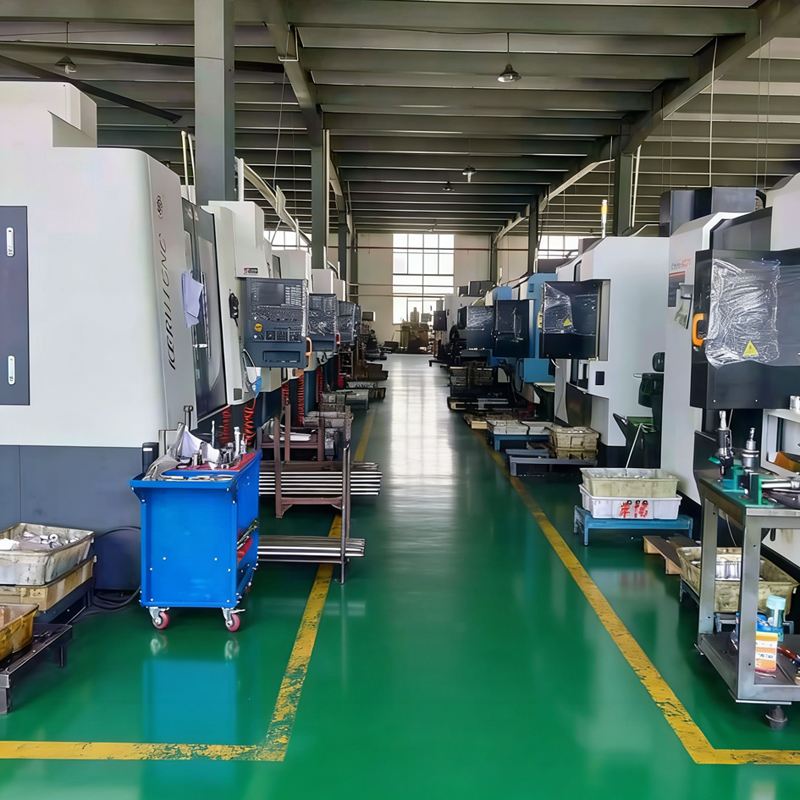
Material selection directly dictates the operational lifespan of the alignment system. Stainless steel grades, specifically 303, 304, and 316, provide the rust resistance necessary for harsh environments. For applications requiring extreme surface hardness, heat treatments such as hardening, tempering, carburizing, or induction hardening elevate the core hardness to HRC 45–62. This heat treatment minimizes surface wear during repeated assembly and disassembly cycles. In demanding industrial setups, utilizing ISO 9001 certified components under registration ZT-Q-24120011S ensures that every batch meets rigorous dimensional standards, as demonstrated in manufacturing projects supplying international buyers across Europe and the Americas.
Data/Solution Comparison
The following table outlines the operational differences between common dowel pin tolerance classes, material characteristics, and their designated automotive and industrial applications:
| Tolerance Class | Precision Range | Recommended Materials | Primary Mechanical Function |
|---|---|---|---|
| h6 | ±0.03 mm | 303/304/316 Stainless Steel, Brass | High-precision positioning in CNC machines, robotics, and medical equipment. |
| h7 | ±0.05 mm | 1045 Carbon Steel, C45, 4140 Alloy Steel | General machinery assembly, automotive jigs, and industrial fixtures. |
| m6 | ±0.08 mm | Spring Steel, 40Cr, SCM440 Alloy Steel | Heavy-duty power transmission, gearboxes, and agricultural equipment alignment. |
Frequently Asked Questions (FAQ)
What is the purpose of hardening a stainless steel dowel pin?
Hardening processes like tempering or quenching raise the surface hardness of the pin to a range of HRC 45–62. This treatment significantly enhances wear resistance, prevents deformation under shear loads, and extends the operational life of the pin in high-cycle machinery.
How do I choose between stainless steel and carbon steel for automotive pins?
Stainless steel is preferred for components exposed to moisture, chemicals, or extreme temperatures due to its superior corrosion and rust resistance. Carbon steel offers a cost-effective alternative with high mechanical strength, making it suitable for internal, well-lubricated machine assemblies.
Can these pins be customized for unique packaging or dimensions?
Yes. Custom dimensions, custom hardness levels, laser logo marking, and specialized packaging (such as PE bags, small boxes, and bulk export packaging) are fully supported under professional OEM and ODM manufacturing services.
Final Conclusion & Recommendations
To ensure optimal alignment in high-precision automotive machinery, match the specific h6, h7, or m6 tolerance class with your mating components. For custom configurations, utilizing factory direct supply models allows for precise material grading and tailored surface treatments. Standard production runs typically support a minimum order quantity (MOQ) of 100 pieces for lock pins and dowel pins, with a standard delivery lead time of 10-25 days. For detailed technical solutions or support, please reach out to us via 86-15868979792.
About Us
ZheJiang Dream Industry Limited, established in 2008, has over 20 years of experience in precision manufacturing. Based in a 2500sqm factory facility, the company supports a dedicated workforce of 34 employees, providing comprehensive OEM and ODM solutions for custom hardware applications. Holding ISO certification (ZT-Q-24120011S), the enterprise delivers high-precision CNC machined parts and custom mechanical components to global industrial markets.
Lastest
-
What key quality control documents should I request when auditing a potential CNC components factory?
2026-07-02 -
How long does it usually take a manufacturer to produce and ship custom CNC component prototypes?
2026-07-02 -
How do I choose between 3-axis and 5-axis CNC components for high-precision aerospace parts?
2026-07-02 -
Are there any emerging materials that could replace traditional steel CNC components to reduce weight?
2026-07-02 -
Can you explain the process of adding a custom logo and specific dimensions to a cast iron handwheel?
2026-07-02
SUBSCRIBE
INQUIRY