
How do I choose between star and lobed clamping knobs for heavy-duty industrial machinery?
- VIP-User
- 2026-06-29
- 32
Choosing between star and lobed clamping knobs for heavy-duty industrial machinery depends on the required torque and operator grip. Star knobs (five to eight lobes) provide high-torque manual tightening with distinct finger placement, ideal for heavy adjustment. Multi-lobed or scalloped knobs offer continuous contact surfaces, reducing pressure points during frequent, rapid locking operations in automated systems.
Core Solutions & Key Takeaways
- Torque and Leverage: Star knobs with five, six, or seven lobes offer defined recessed areas for fingers, allowing maximum manual torque transfer in heavy-duty machinery.
- Ergonomics and Frequency: Lobed or scalloped knobs distribute hand pressure evenly, making them suitable for high-frequency adjustments in packaging machinery and automation equipment.
- Material Durability: Glass fiber reinforced polyamide nylon and phenolic Bakelite housings resist oils, high temperatures, and solvents, while stainless steel (SUS304/SUS316L) threaded inserts ensure wear-resistant, long-term industrial use.
- Application Versatility: Standard mounting options like male studs (M4 to M12) and female threaded brass or stainless steel inserts accommodate diverse industrial fixtures and valve systems.
Detailed Architectural/Principle Analysis
Industrial clamping knobs function as manual control interfaces to secure, position, and adjust mechanical components. The mechanical performance of a clamping knob relies on the geometric shape of the head and the shear strength of the threaded insert. Star knobs (five to eight lobes) feature deep indentations. These indentations act as natural lever arms, allowing operators to apply high tightening torque without slipping, which is critical for heavy-duty CNC machinery and industrial fixtures.
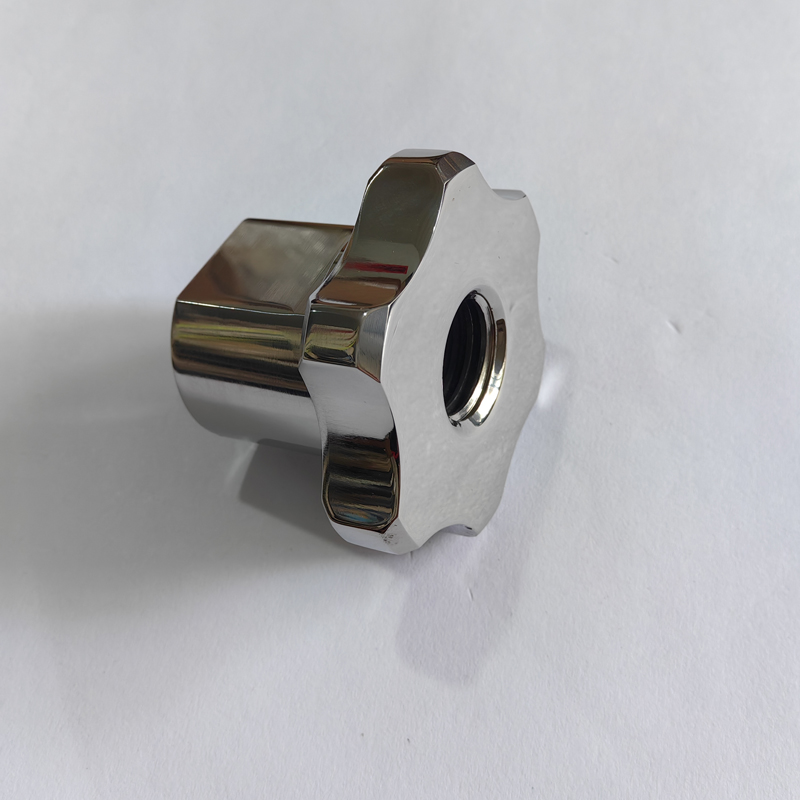
In contrast, lobed knobs (such as scalloped or multi-lobe designs) present a gentler, more rounded profile. This geometry distributes clamping pressure across the palm, preventing hand fatigue during repetitive operations. For example, in automated packaging machinery guide rail adjustments or medical diagnostic equipment, where fast, low-torque positioning is required, lobed structures prevent over-tightening while maintaining steady grip control.
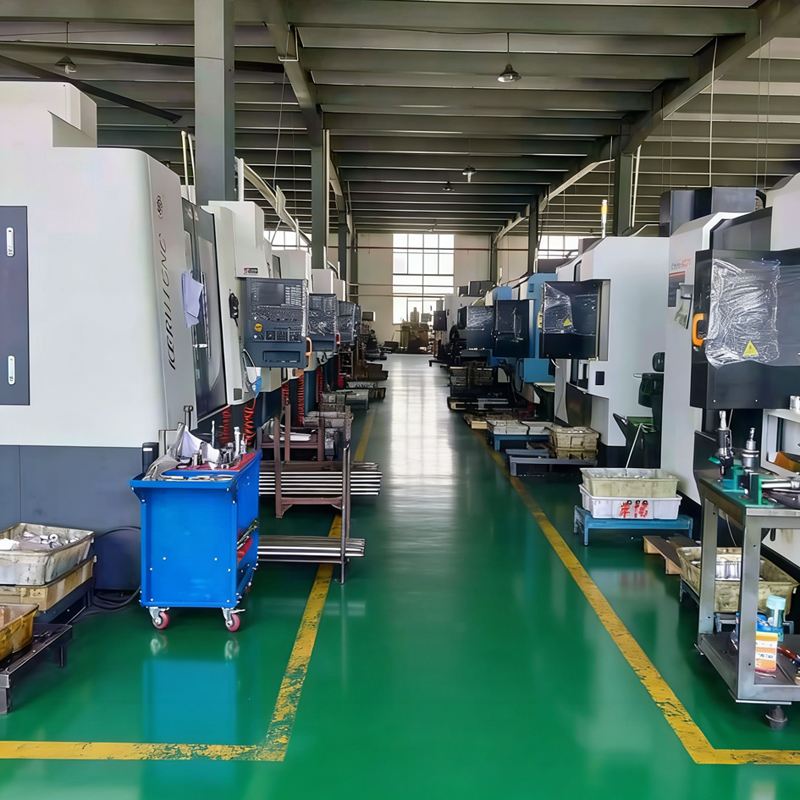
The insert material defines the pull-out and torque limits. Technical production processes by manufacturers like Zhejiang Dream Industry Limited utilize high-grade materials such as SUS303, SUS304, or SUS316L stainless steel and brass inserts molded into reinforced polyamide (nylon) or phenolic Bakelite. For instance, a recent industrial project delivered 65,000 pieces of adjustable clamping knobs to a CNC machine manufacturer in Italy for machine positioning and fixture locking, verifying that the choice of high-tensile metal inserts coupled with wear-resistant plastic housings ensures structural integrity under continuous mechanical vibration.
Data/Solution Comparison
| Feature Parameter | Star Clamping Knobs (5-8 Lobes) | Lobed / Scalloped Knobs |
|---|---|---|
| Torque Capability | High (defined recesses provide high manual leverage) | Medium (rounded surface prevents excessive manual force) |
| Ergonomic Grip Type | Individual finger placement and distinct grip points | Continuous palm contact, pressure-distribution focus |
| Available Materials | Polyamide Nylon, Bakelite, Stainless Steel, Aluminum | Thermoplastic (PA6, PP, ABS), Phenolic, Brass inserts |
| Thread Sizes (Metric/Imperial) | M4 to M16; 1/4”-20, 5/16”-18, 3/8”-16 | M4 to M12; Custom dimensions supported |
| Primary Industrial Use Cases | Heavy-duty CNC fixtures, heavy valve systems, position locking | Packaging machinery guide rails, medical devices, furniture |
| Vibration Resistance | High (reinforced polymer with deep metal inserts) | Medium (best for rapid, repetitive manual adjustments) |
Frequently Asked Questions (FAQ)
What materials are best for clamping knobs used in high-temperature environments?
Phenolic (Bakelite) clamping knobs are recommended for high-temperature machinery and workshop equipment because they provide high hardness, excellent rigidity, heat resistance, and dimensional stability.
When should I choose stainless steel inserts over brass inserts for clamping knobs?
Stainless steel inserts (such as SUS304 or SUS316L) should be selected for food processing machinery, marine equipment, and chemical applications requiring high tensile strength and superior corrosion resistance. Brass inserts are ideal for smooth threading in repeated tightening applications and precision instruments.
Can I get custom colors or logos on clamping knobs for OEM machinery?
Yes, custom OEM/ODM services support custom colors (such as Red, Blue, Orange, Gray, or custom Pantone colors), laser logo marking, custom thread sizes, and specific insert materials based on engineering drawings.
Final Conclusion & Recommendations
Selecting the correct clamping knob configuration directly impacts machine operating efficiency and safety. High-torque applications require five-to-eight-lobe star knobs with stainless steel studs to withstand heavy structural loads. For repetitive, high-frequency manual adjustments, rounded lobed knobs minimize operator fatigue. Manufacturing solutions support customizable dimensions, materials, and thread lengths, with standard product MOQs starting at 50 pieces and production lead times ranging from 7 to 25 days. For detailed technical solutions or support, please reach out to us via 86-15868979792.
About Us
Zhejiang Dream Industry Limited, established in 2008, operates a 2500-square-meter manufacturing facility with 34 employees specializing in precision CNC machined parts and custom hardware components. The company provides complete turnkey solutions, including CNC turning and milling, rapid prototyping, and surface treatments. Holding ISO 9001 certification (Certificate No. ZT-Q-24120011S), the enterprise maintains a quality system with 23 in-process inspection steps to control defect rates below 0.3%. The factory has successfully supplied high-volume custom orders to industrial clients across Europe, America, Southeast Asia, and the Middle East.
Lastest
-
What key quality control documents should I request when auditing a potential CNC components factory?
2026-06-29 -
How long does it usually take a manufacturer to produce and ship custom CNC component prototypes?
2026-06-29 -
How do I choose between 3-axis and 5-axis CNC components for high-precision aerospace parts?
2026-06-29 -
Are there any emerging materials that could replace traditional steel CNC components to reduce weight?
2026-06-29 -
Can you explain the process of adding a custom logo and specific dimensions to a cast iron handwheel?
2026-06-29
SUBSCRIBE
INQUIRY