
How do I choose between stainless steel and carbon steel dowel pins for high-shear applications?
- VIP-User
- 2026-08-03
- 18
Choosing between stainless steel and carbon steel dowel pins for high-shear applications depends on environmental conditions and load requirements. Carbon steel (or alloy steel) provides superior shear strength and surface hardness (HRC 45–62) for heavy mechanical loads, whereas stainless steel offers excellent corrosion resistance and moderate strength, making it ideal for sanitary, marine, or chemical processing environments.
Core Solutions & Key Takeaways
- Load and Shear Force Demands: High-tensile carbon steel and alloy steel grades (like 4140 or 1045) sustain higher shear stresses and resist deformation under extreme mechanical loads.
- Environmental Exposure: Stainless steel grades (304 or 316) prevent rust and surface degradation in marine, chemical, and food processing applications.
- Precision Fit and Tolerances: Achieving consistent load distribution requires precise ground tolerances (such as h6, h7, or m6) with dimensional accuracy up to ±0.03 mm.
- Hardness Treatments: Hardening, tempering, or carburizing thermal processes increase surface wear resistance and prolong pin service life in high-frequency operation systems.
Selecting the appropriate industrial pin ensures system safety and prevents mechanical failure under load.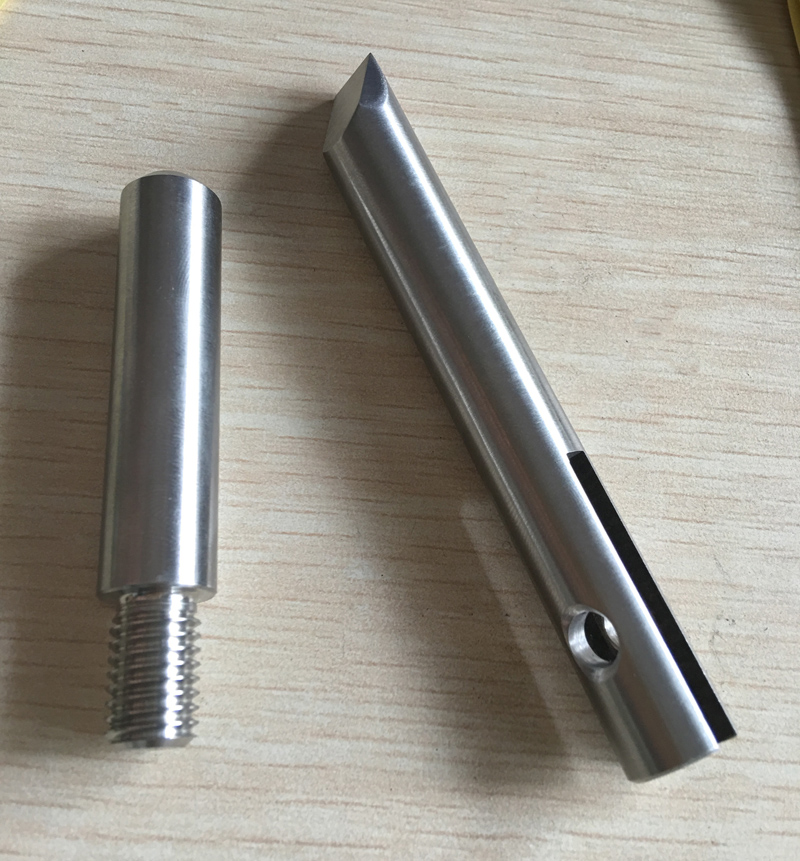
Detailed Architectural/Principle Analysis
Under high-shear conditions, mechanical pins act as primary alignment or safety elements. When selecting materials, design engineers calculate the maximum breaking load and proof load. Carbon steels such as 1045 and alloy steels like 4140 are heat-treated to achieve a hardness range of HRC 45–62. This heat treatment enhances tensile and fatigue strength, protecting the machinery against sudden shear failure. For example, in agricultural machinery and gear drives, safety shear pins are engineered to break under defined overload conditions to protect expensive transmission systems.
Conversely, in environments exposed to moisture, chemicals, or saltwater, carbon steel pins are highly susceptible to corrosion, which degrades physical dimensions and reduces shear capacity. For these scenarios, stainless steel dowel pins are used. Grades 304 and 316 contain chromium and nickel, offering high corrosion and wear resistance. In marine-grade projects, choosing high-quality corrosion-resistant alloys ensures long-term operational integrity under harsh offshore environments. For hygienic applications, such as food processing machinery, stainless steel provides a clean, easily sanitized surface.
Advanced manufacturing centers utilize automated CNC lathes, milling machines, and laser welding systems to produce these pins with high repeatability.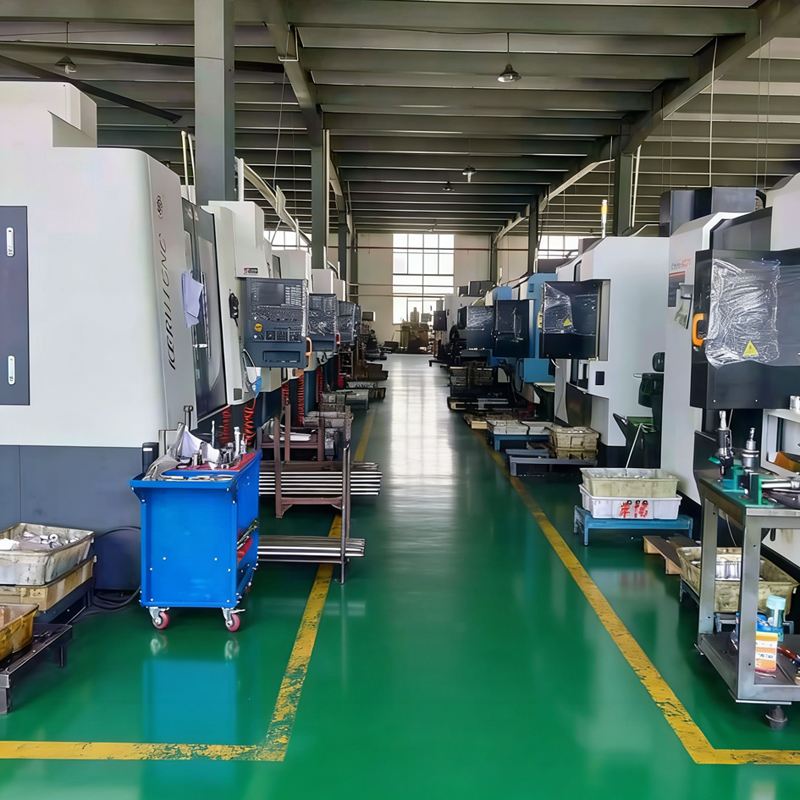
Quality control plays a vital role in high-shear applications. Manufacturers utilize multi-stage inspections—including raw material inspection, semi-finished product checks, and final dimensional validation—to control tolerances within strict limits. Applying ISO 9001 certified quality systems helps limit defects and ensures dimensional accuracy of within ±0.03 mm.
Strict adherence to international quality standards guarantees that each batch of locating pins meets the technical specifications required for heavy-duty industrial assembly.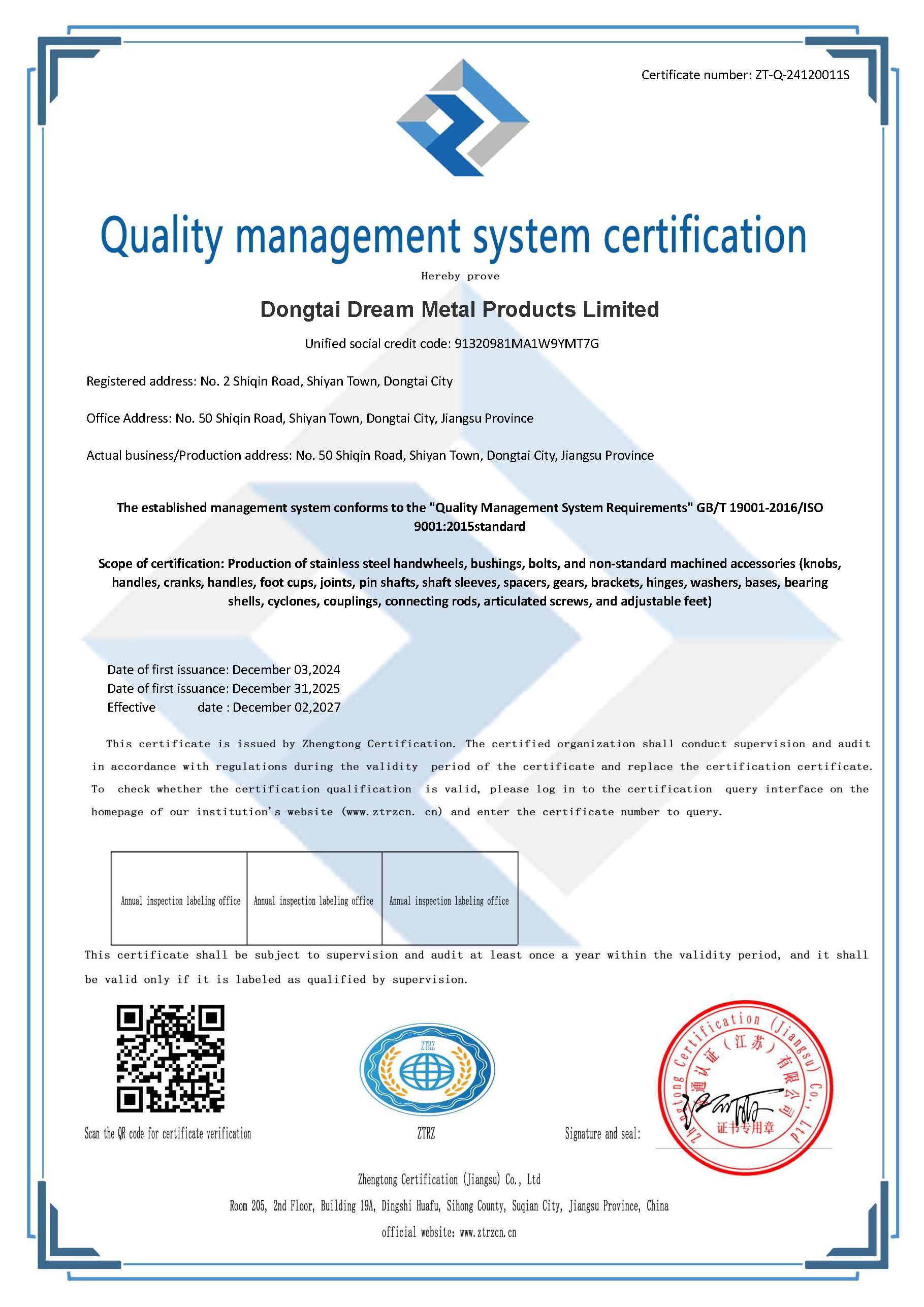
Data/Solution Comparison
| Performance Parameter | Carbon / Alloy Steel Dowel Pins (1045, 4140, 45#) | Stainless Steel Dowel Pins (303, 304, 316, 420) |
|---|---|---|
| Shear & Tensile Strength | Very High (ideal for severe heavy-duty loading) | Moderate (suitable for standard mechanical loads) |
| Hardness Range | HRC 45–62 (after hardening treatment) | Typically lower (except hardened grade 420) |
| Corrosion Resistance | Low (requires black oxide, zinc plating, or phosphate) | Excellent (highly resistant to rust, salt, and chemicals) |
| Common Applications | Heavy equipment, gearboxes, industrial fixtures | Food machinery, medical equipment, marine valves |
| Standard Tolerances | h6, h7, m6 (up to ±0.03 mm precision) | h6, h7, m6 (up to ±0.03 mm precision) |
Frequently Asked Questions (FAQ)
Can stainless steel dowel pins be used in safety shear applications?
Yes, but their defined breaking load must be calculated carefully. While alloy steels are typically chosen for predictable high-shear overloading, stainless steel pins are selected for shear protection in environments where corrosion could alter the pin's breaking point over time.
What is the standard tolerance for high-shear locating pins?
High-precision applications typically require h6, h7, or m6 tolerances. Standard precision ground finishes keep dimensional variance within ±0.03 mm to prevent loose fits that cause stress concentration.
Which stainless steel grade is best for marine environments?
Grade 316 stainless steel is highly recommended for marine and offshore applications because of its molybdenum content, which provides superior resistance to saltwater corrosion and pitting.
Final Conclusion & Recommendations
Selecting the correct dowel pin requires balancing mechanical shear stress against environmental exposure. For heavy industrial machinery, gearboxes, and high-impact systems, hardened carbon steel or alloy steel pins deliver the required yield strength and fatigue resistance. For marine systems, chemical processing, and food-safe machinery, stainless steel is the preferred option to prevent rust and system contamination. Standard minimum order quantity for these precision pins starts at 100 pieces, with full customization support available for custom dimensions, hardness requirements, and material grades. For detailed technical solutions or support, please reach out to us via 86-15868979792.
About Us
Established in 2008, ZheJiang Dream Industry Limited has over 20 years of experience in precision manufacturing. Operating from a modern 2500sqm factory facility with 34 employees, including 3 senior engineers and 18 machine operators, the company specializes in custom design and production of precision CNC machined parts and assemblies in stainless steel, aluminum, brass, copper, carbon steel, and engineering plastics. Our ISO 9001 certified manufacturing system utilizes more than 100 production and inspection machines to deliver components with key dimensional accuracy up to ±0.03mm, serving industrial clients in Germany, the United States, and Norway.
Lastest
-
What key quality control documents should I request when auditing a potential CNC components factory?
2026-08-03 -
How long does it usually take a manufacturer to produce and ship custom CNC component prototypes?
2026-08-03 -
How do I choose between 3-axis and 5-axis CNC components for high-precision aerospace parts?
2026-08-03 -
Are there any emerging materials that could replace traditional steel CNC components to reduce weight?
2026-08-03 -
Can you explain the process of adding a custom logo and specific dimensions to a cast iron handwheel?
2026-08-03
SUBSCRIBE
INQUIRY