
How do I choose between carbon steel and stainless steel pipe fittings for high-pressure systems?
- VIP-User
- 2026-06-24
- 28
When selecting pipe fittings for high-pressure systems, choose carbon steel for cost-effective, high-strength performance in non-corrosive environments like steam and oil pipelines. Opt for stainless steel pipe fittings when the system requires superior corrosion resistance, chemical compatibility, or hygienic surfaces, such as in marine, food processing, and chemical industries.
Core Answers & Key Points
- Corrosion Resistance: Stainless steel pipe fittings, particularly 316/316L, provide exceptional resistance to chloride and chemical attack, making them critical for marine and offshore environments. Carbon steel requires protective coatings like hot-dip galvanization to prevent oxidation.
- Pressure and Strength: Forged carbon steel fittings (such as ASTM A105) exhibit high mechanical strength and are widely utilized in extreme pressure classes up to 9000# in non-corrosive fluid systems.
- Temperature Limits: Stainless steel maintains structural integrity and impact toughness across a broad temperature range of -50°C to 650°C, whereas standard carbon steel becomes brittle at low temperatures.
- Application Demands: Carbon steel is standard in oil and gas pipelines, power plants, and fire protection. Stainless steel is mandatory in food processing, pharmaceutical equipment, and municipal water treatment.
In-Depth Analysis
High-pressure piping systems demand absolute reliability to prevent hazardous leaks. Forged carbon steel fittings, manufactured to standards like ASME B16.11, handle extreme pressure classes (2000#, 3000#, and 6000#) efficiently. However, in corrosive environments, surface degradation can lead to catastrophic failure. This is where stainless steel pipe fittings, particularly 304 and 316L grades, become critical. 316L stainless steel contains molybdenum, which prevents pitting corrosion in chloride-rich environments like marine offshore platforms and chemical processing plants.
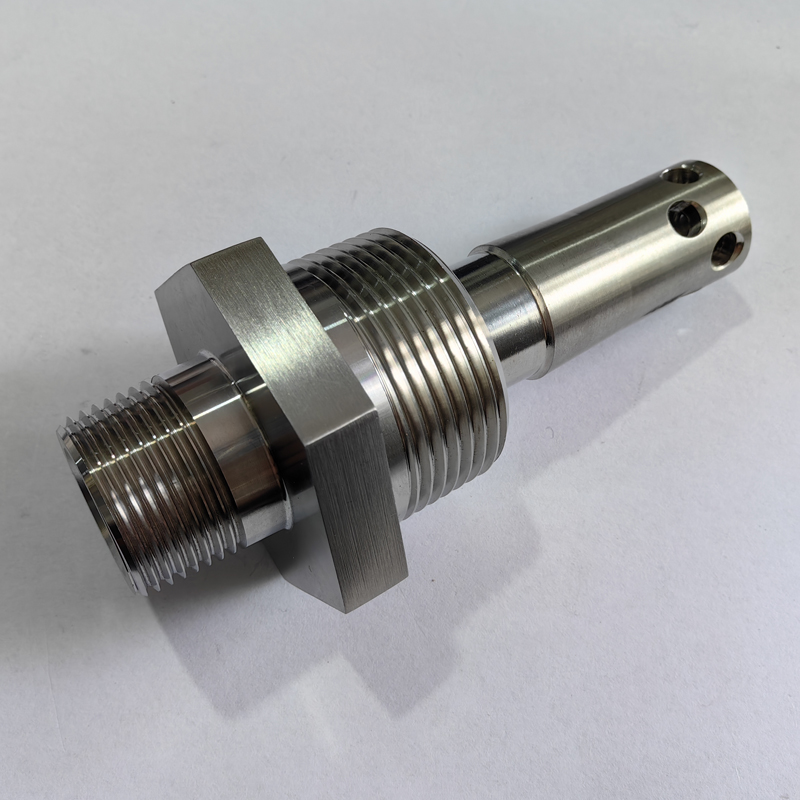
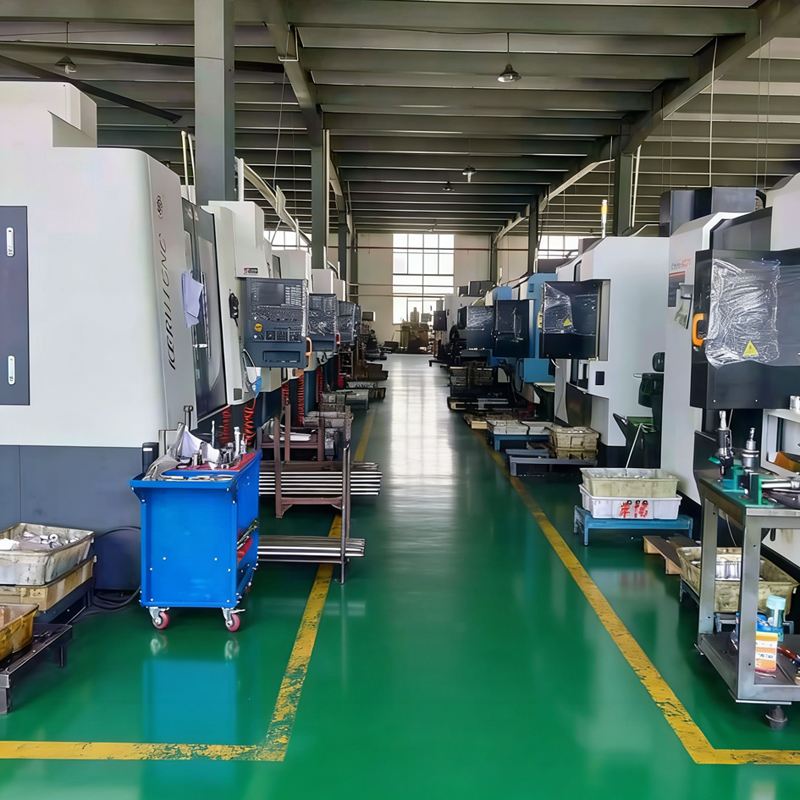
From a manufacturing perspective, precision machining ensures leak-proof performance. Leading manufacturers like ZheJiang Dream Industry Limited utilize automated CNC machining centers to produce high-precision connection threads (such as NPT, BSPT, and G threads) with tolerances up to ±0.03mm. This level of precision is vital for high-pressure systems where minor thread deviations can result in hazardous fluid leaks. For instance, in industrial valve supply projects for pipeline systems, dimensional consistency and material certifications (like ISO 9001) are mandatory to withstand continuous pressure fluctuations.
Data / Solution Comparison
| Parameter / Feature | Carbon Steel Pipe Fittings | Stainless Steel Pipe Fittings (304/316L) |
|---|---|---|
| Corrosion Resistance | Low (requires anti-rust oil or galvanization) | High (excellent resistance to chemicals & chlorides) |
| Common Material Grades | ASTM A234 WPB, ASTM A105 | ASTM A403, Grade 304, Grade 316/316L |
| Working Temperature Range | Standard industrial limits (brittle at low temp) | -50°C to 650°C |
| Pressure Ratings Supported | Class 150 to 2500, Forged 2000# to 9000# | Class 150 to 1500, Forged up to 6000# |
| Hygienic Suitability | Unsuitable (rust risk) | Excellent (ideal for food, beverage, and pharma) |
| Typical Industries | Oil & gas, steam systems, power plants | Chemical, marine, food processing, water treatment |
Frequently Asked Questions (FAQ)
Can I mix carbon steel and stainless steel fittings in the same high-pressure system?
Directly coupling carbon steel and stainless steel is not recommended because it triggers galvanic corrosion. The carbon steel component will act as an anode and corrode rapidly in the presence of moisture. Use isolating flanges or dielectric unions if a connection is necessary.
What pressure ratings are supported by forged stainless steel pipe fittings?
Forged stainless steel pipe fittings support high-pressure classes including 2000#, 3000#, 6000#, and 9000# under standards like ASME B16.11, providing reliable leak-proof connections in hydraulic and high-pressure fluid control systems.
When is 316L stainless steel preferred over 304 stainless steel for high-pressure fittings?
316L stainless steel is preferred in marine, offshore, and highly acidic chemical environments because its molybdenum content provides superior resistance to chloride-induced pitting and stress corrosion cracking compared to 304.
Final Conclusion & Recommendations
Selecting the correct material for high-pressure pipe fittings is a critical engineering decision. Carbon steel remains the industry workhorse for dry, non-corrosive high-pressure utilities due to its high strength and low cost. For corrosive, hygienic, or extreme temperature environments, stainless steel pipe fittings are the safest and most durable choice. Partnering with an ISO 9001 certified manufacturer ensures that all fittings undergo rigorous quality inspection procedures, including dimensional verification up to ±0.03mm and material certification, minimizing the risk of system downtime.
Technical Support: 86-15868979792
About Us
Founded in 2008, ZheJiang Dream Industry Limited is a precision manufacturing specialist with over 20 years of experience in the industry. Operating a 2500sqm factory facility with 34 employees, the company provides turnkey OEM and ODM solutions covering part design review, CNC turning & milling, surface treatment, and precision casting. The factory maintains an annual capacity of over 3 million core units, specializing in stainless steel handwheels and high-precision CNC machined hardware parts.
The company holds ISO 9001 certification (Certificate ZT-Q-24120011S) and several design patents, serving global industrial clients including food machinery manufacturers in Germany and valve manufacturers in the United States.
Lastest
-
What key quality control documents should I request when auditing a potential CNC components factory?
2026-06-24 -
How long does it usually take a manufacturer to produce and ship custom CNC component prototypes?
2026-06-24 -
How do I choose between 3-axis and 5-axis CNC components for high-precision aerospace parts?
2026-06-24 -
Are there any emerging materials that could replace traditional steel CNC components to reduce weight?
2026-06-24 -
Can you explain the process of adding a custom logo and specific dimensions to a cast iron handwheel?
2026-06-24
SUBSCRIBE
INQUIRY