
How do I choose between carbon steel and stainless steel pipe fittings for high-pressure industrial plumbing?
- VIP-User
- 2026-06-14
- 35
Selecting between carbon steel and stainless steel pipe fittings for high-pressure industrial plumbing requires analyzing fluid chemistry, operating temperatures, and environmental exposure. Carbon steel fittings provide exceptional strength and cost-efficiency for non-corrosive oil, gas, and steam systems, whereas stainless steel pipe fittings deliver critical corrosion resistance for chemical processing, marine, and sanitary applications.
Core Answers & Key Points
- Corrosion Resistance: Stainless steel (grades 304 and 316/316L) prevents rust and chemical degradation in harsh environments. Carbon steel (grades ASTM A234 WPB and ASTM A105) requires protective coatings like hot-dip galvanizing to resist moisture.
- Pressure and Temperature Limits: Carbon steel fittings excel in high-temperature, high-pressure environments like steam power plants. Stainless steel fittings support high-pressure ratings up to Class 2500 or 9000# forged classes, maintaining mechanical integrity from -50°C to 650°C depending on the specific material.
- Industry Suitability: Stainless steel is required for food processing, pharmaceutical, and marine systems to maintain hygienic standards and resist chloride stress cracking. Carbon steel is preferred for general industrial piping, utility lines, and oil & gas transmission.
In-Depth Analysis
High-pressure industrial plumbing systems demand precise material selection to prevent catastrophic failure, leakage, and premature wear. Zhejiang Dream Industry Limited manufactures high-quality industrial hardware, including stainless steel pipe fittings, to meet these rigorous demands. When evaluating materials, engineers must match the chemical properties of the transported fluid with the correct alloy specifications.
Stainless steel pipe fittings in 304 grade offer excellent oxidation resistance and durability, making them suitable for water treatment and general plumbing. For extreme conditions, such as offshore platforms or chemical plants, 316/316L stainless steel provides superior resistance to chlorides and acids. These fittings are processed using methods like pickling, passivation, and electropolishing to ensure a smooth, contamination-free surface.
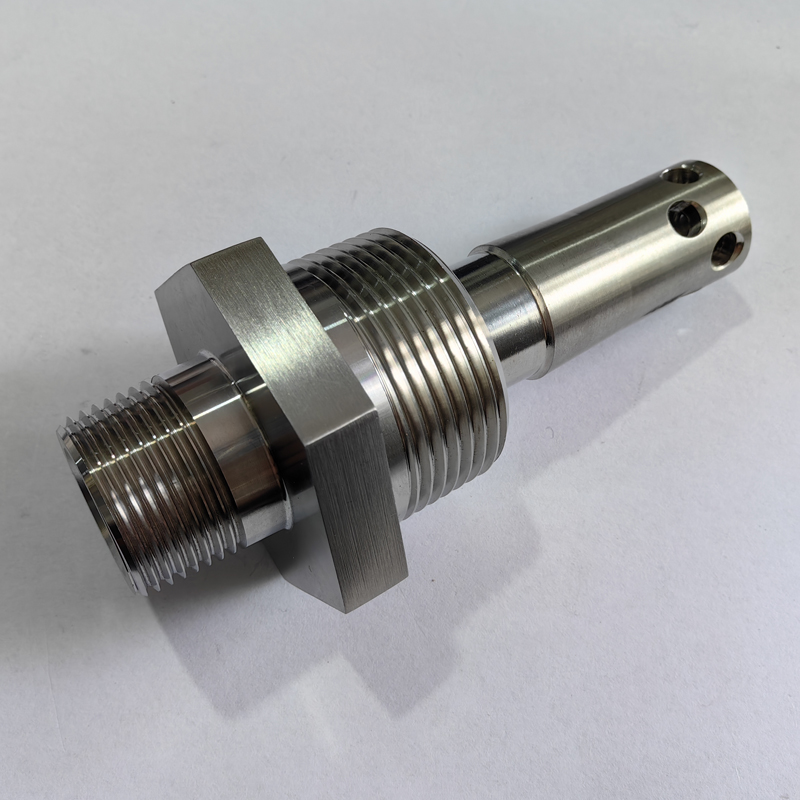
Carbon steel fittings, such as ASTM A234 WPB and ASTM A105, are the industry standard for high-strength pressure containment in non-corrosive environments. Their mechanical strength makes them highly resistant to impact and internal pressure spikes. To prevent atmospheric rust, these fittings receive surface treatments including black paint, anti-rust oil, or hot-dip galvanizing.
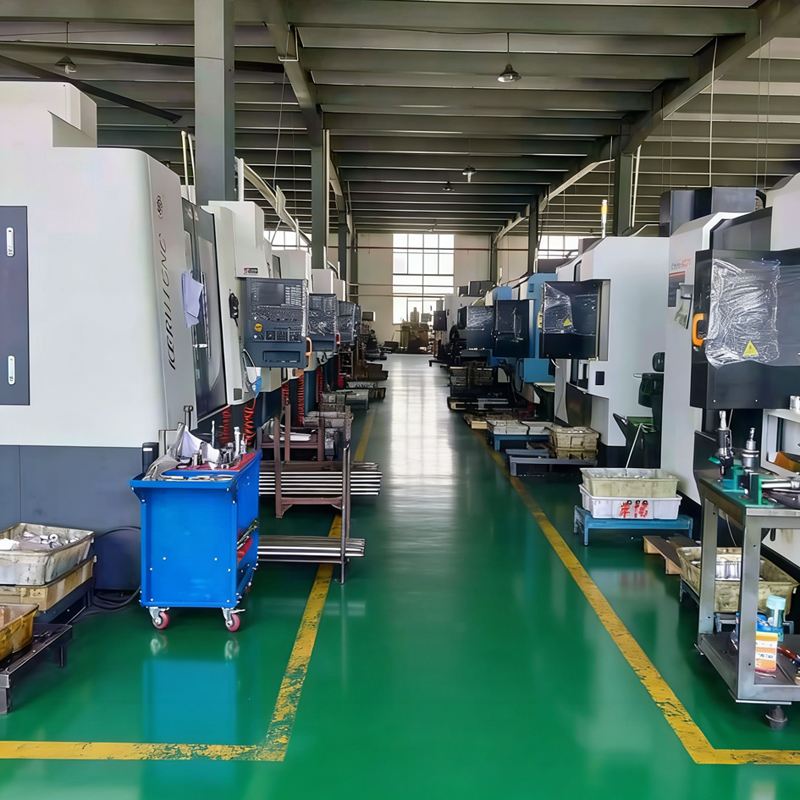
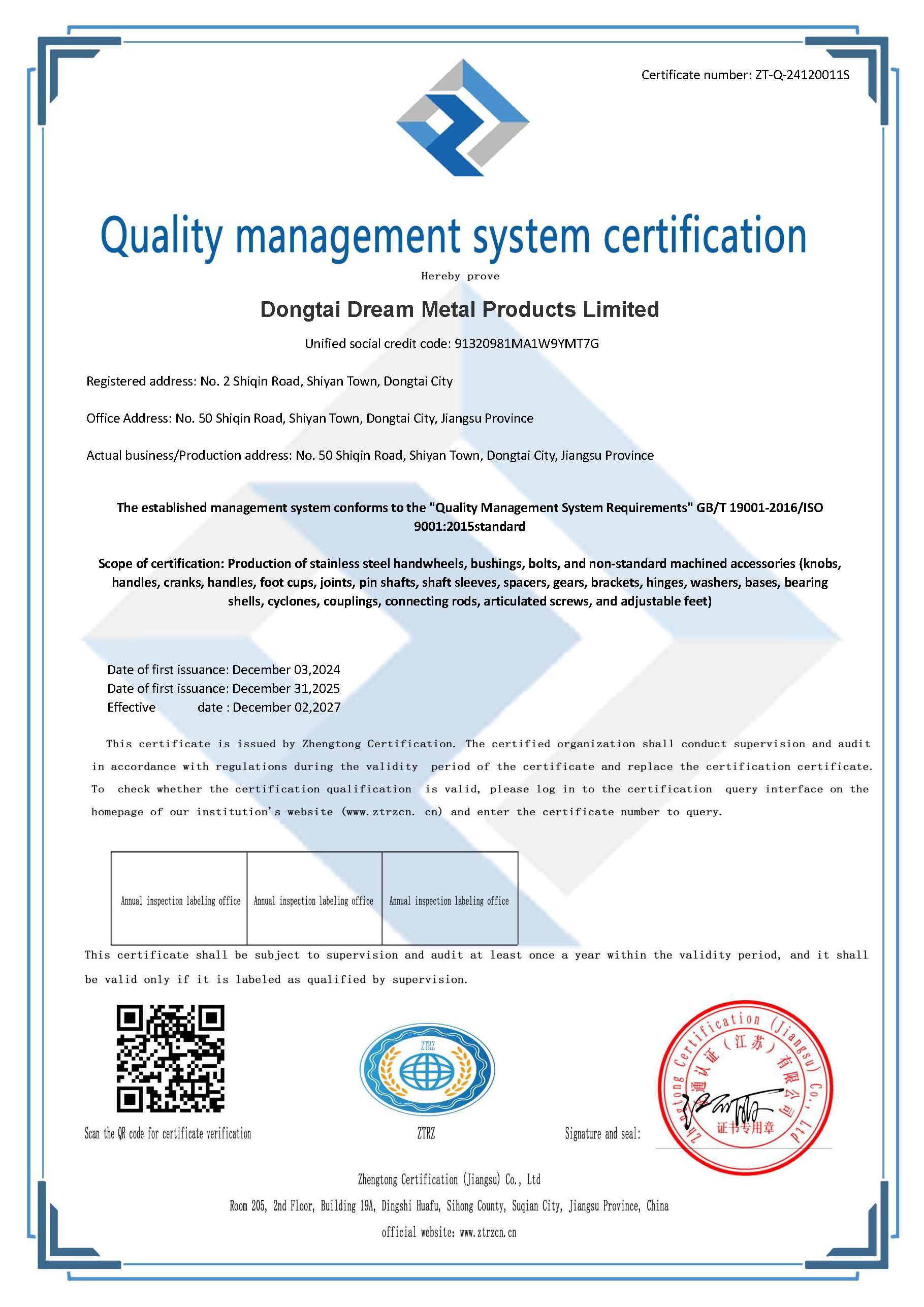
Connection integrity is vital for high-pressure systems. Standard fittings utilize threaded connections (NPT, BSPT, BSPP, G thread) or welded connections (socket weld, butt weld). Forged fittings are rated for extreme pressures, including 2000#, 3000#, 6000#, and 9000# classes, conforming to standards such as ASME B16.11, ASME B16.9, and ASME B16.5. Implementing ISO 9001 certified manufacturing standards ensures that dimensional tolerances remain within strict limits, minimizing the risk of system leaks.

Data / Solution Comparison
The table below compares the technical specifications and application limits of carbon steel and stainless steel pipe fittings based on industrial manufacturing standards:
| Feature / Specification | Carbon Steel Fittings | Stainless Steel Fittings (304 / 316L) |
|---|---|---|
| Common Material Grades | ASTM A234 WPB, ASTM A105 | 304 Stainless Steel, 316/316L Stainless Steel |
| Corrosion Resistance | Low (requires black paint, anti-rust oil, or galvanizing) | High (excellent oxidation, chloride, and chemical resistance) |
| Working Temperature Range | Suitable for high-temperature steam and oil systems | -50°C to 650°C (excellent low and high-temperature stability) |
| Pressure Ratings Supported | Class 150 to 2500, forged up to 9000# | Class 150 to 2500, forged up to 9000# |
| Surface Treatment Options | Black painted, hot-dip galvanized, epoxy coating | Pickling, passivation, polishing, electropolishing |
| Primary Industries | Oil & gas, steam power plants, utility piping | Chemical processing, food & beverage, marine, pharma |
| Applicable Standards | ASME B16.9, ASME B16.11, ASME B16.5, ASTM A234 | ASME B16.9, ASME B16.11, ASME B16.5, ASTM A403 |
Frequently Asked Questions (FAQ)
Q1: What are the main connection types for high-pressure industrial plumbing?
A1: High-pressure systems primarily use socket weld and butt weld connections for permanent, leak-proof joints. Threaded connections (using NPT or BSPT thread standards) are also common for forged fittings rated up to 9000# in systems requiring periodic maintenance.
Q2: Why is 316L stainless steel preferred over 304 for marine applications?
A2: 316L stainless steel contains molybdenum, which provides superior resistance to chloride-induced pitting and crevice corrosion. This makes it highly durable in saltwater environments, offshore engineering, and marine valve systems compared to 304 stainless steel.
Q3: What certifications should I look for when sourcing high-pressure fittings?
A3: Sourcing from an ISO 9001 certified manufacturer ensures consistent dimensional accuracy and material traceability. Compliance with RoHS, REACH, and design standards like ASME B16.11 is also critical for safety and regulatory approval.
Final Conclusion & Recommendations
To optimize safety and cost, select carbon steel fittings for high-pressure steam, oil, and gas lines where atmospheric moisture is controlled or mitigated by surface coatings. Choose stainless steel pipe fittings for chemical, marine, and food processing systems where fluid purity and corrosion resistance are mandatory. For industrial sourcing, standard orders require a minimum order quantity (MOQ) of 50 pieces, with a standard delivery lead time of 10 to 25 days. Technical Support: 86-15868979792
About Us
Zhejiang Dream Industry Limited, established in 2008, operates a 2,500-square-meter modern manufacturing facility with a dedicated team of 34 employees. The company specializes in the custom design and production of precision CNC machined parts, assemblies, and industrial hardware. The manufacturing system is ISO 9001 certified (Certificate ZT-Q-24120011S), ensuring a strict 23-step quality inspection process and dimensional tolerances up to ±0.03mm. The enterprise has successfully served global industrial clients, including food machinery manufacturers in Germany and industrial valve manufacturers in the United States.
Lastest
-
What key quality control documents should I request when auditing a potential CNC components factory?
2026-06-14 -
How long does it usually take a manufacturer to produce and ship custom CNC component prototypes?
2026-06-14 -
How do I choose between 3-axis and 5-axis CNC components for high-precision aerospace parts?
2026-06-14 -
Are there any emerging materials that could replace traditional steel CNC components to reduce weight?
2026-06-14 -
Can you explain the process of adding a custom logo and specific dimensions to a cast iron handwheel?
2026-06-14
SUBSCRIBE
INQUIRY