
How do I choose between aluminum and steel CNC components for high-precision medical devices?
- VIP-User
- 2026-06-11
- 37
Choosing between aluminum and steel CNC components for high-precision medical devices depends on application requirements. Aluminum (e.g., 6061, 7075) is ideal for lightweight, corrosion-resistant, and highly machinable parts like surgical instruments and housings. Steel (e.g., 316, 304, 17-4PH) is preferred for high-strength, wear-resistant, and repeatedly sterilizable load-bearing components.
Core Answers & Key Points
- Weight and Portability: Aluminum components offer a high strength-to-weight ratio, making them the primary choice for handheld medical devices, surgical tools, and electronic housings.
- Mechanical Strength and Wear Resistance: Stainless steel components provide superior tensile strength and hardness, making them necessary for load-bearing surgical implants, joint replacements, and structural assemblies.
- Sterilization and Chemical Resistance: Stainless steel (especially 316 and 316L grades) resists harsh chemical cleaning agents and repeated autoclave sterilization cycles without degrading.
- Precision and Tolerances: Both materials support high-precision CNC machining, achieving standard tolerances of ±0.1 mm and precision tolerances up to ±0.03 mm.
In-Depth Analysis
High-precision medical devices require strict adherence to dimensional stability, biocompatibility, and durability. Selecting the correct material for these CNC components directly impacts device safety and performance. Manufacturing these intricate parts involves advanced processes such as CNC turning, CNC milling, Swiss machining, and surface treatments like anodizing or passivation.
Aluminum grades like 6061 and 7075 are highly machinable, reducing manufacturing cycle times and tooling wear. This makes aluminum cost-effective for complex geometries. However, in surgical environments where devices undergo repeated sterilization, untreated aluminum can degrade. Hard anodizing or clear anodizing must be applied to enhance wear and corrosion resistance.
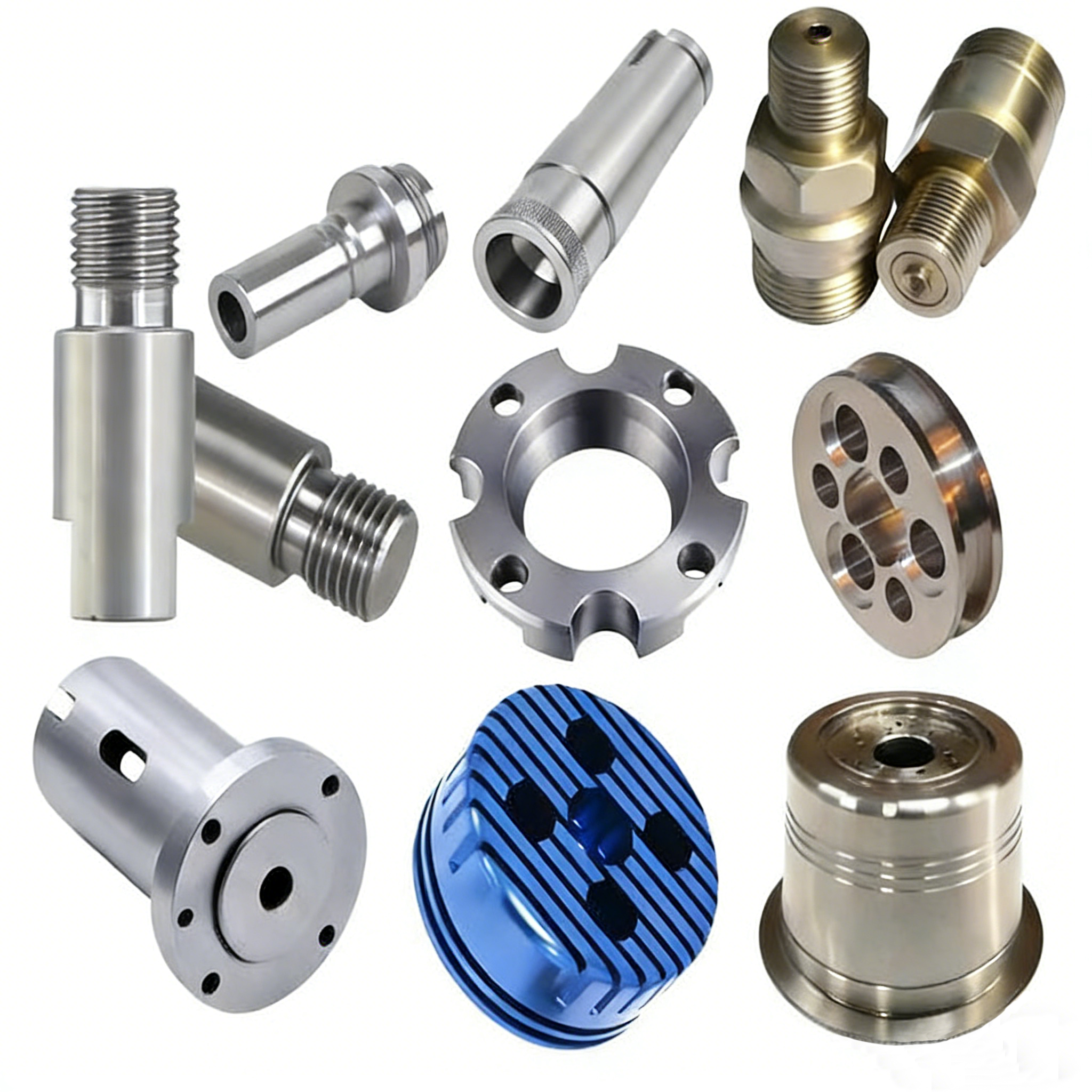
Stainless steel grades, particularly 304, 316, and 17-4PH, are the standard for surgical instruments and implantable components. These materials feature high corrosion resistance and high mechanical strength. 316 stainless steel contains molybdenum, which prevents pitting corrosion caused by saline and biological fluids. While steel is more difficult to machine than aluminum, Swiss machining and 5-axis CNC machining centers allow manufacturers like ZheJiang Dream Industry Limited to maintain tight tolerances and smooth surface finishes down to Ra 0.8.
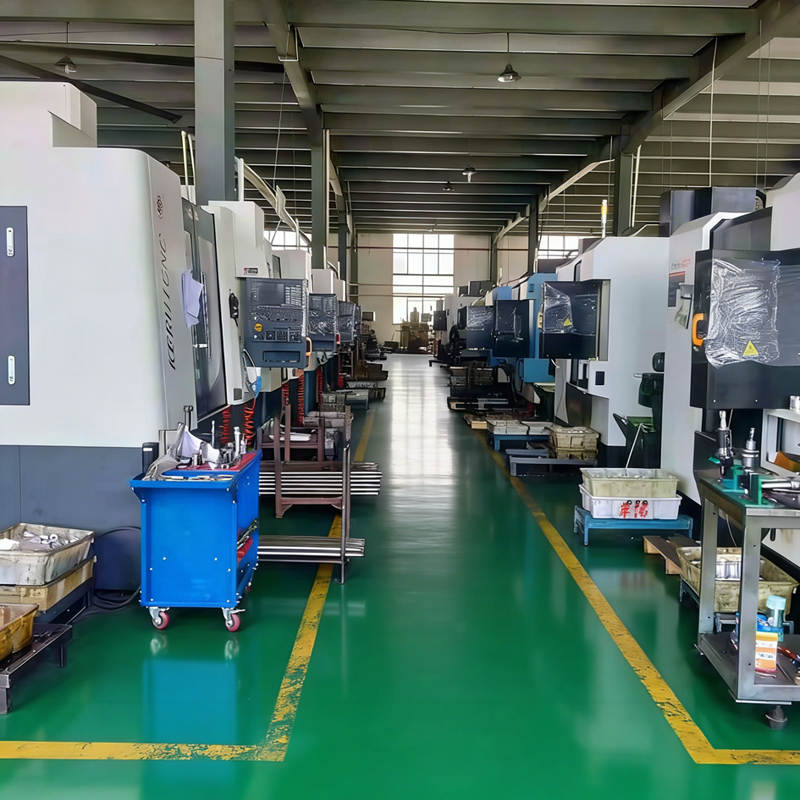
Data / Solution Comparison
The following table compares the physical properties and processing parameters of aluminum and steel CNC components for high-precision medical devices:
| Parameter / Property | Aluminum Components (6061, 7075) | Stainless Steel Components (304, 316, 17-4PH) |
|---|---|---|
| Weight Density | Low (approx. 2.7 g/cm³) | High (approx. 7.8 - 8.0 g/cm³) |
| Corrosion Resistance | Good (requires anodizing for medical use) | Excellent (self-passivating, highly resistant to chemicals) |
| Sterilization Compatibility | Moderate (limited autoclave cycles unless hard anodized) | Excellent (withstands repeated autoclave sterilization) |
| Precision Tolerance | Up to ±0.03 mm | Up to ±0.03 mm |
| Typical Applications | Surgical brackets, monitor frames, handheld device housings | Surgical implants, orthopedic screws, surgical forceps |
| Minimum Order Quantity (MOQ) | 50 pieces | 50 pieces |
| Production Lead Time | 7 - 25 days | 7 - 25 days |
Frequently Asked Questions (FAQ)
Q1: Why is stainless steel 316 preferred over aluminum for surgical implants?
A1: Stainless steel 316 contains molybdenum, which provides superior resistance to pitting and crevice corrosion in biological environments. It is biocompatible, highly durable, and does not degrade when exposed to bodily fluids, unlike untreated aluminum.
Q2: Can aluminum CNC components achieve the same precision tolerances as steel?
A2: Yes. Both materials can be machined to precision tolerances of ±0.03 mm using advanced CNC turning and CNC milling centers. Aluminum is softer and easier to machine, allowing for complex geometries with less tool wear.
Q3: What surface treatments are recommended for medical-grade aluminum components?
A3: Hard anodizing, clear anodizing, and chemical passivation are recommended. These treatments increase surface hardness, improve wear resistance, and prevent chemical corrosion during sanitization.
Final Conclusion & Recommendations
The choice between aluminum and steel CNC components depends on the mechanical and environmental exposure of the medical device. For lightweight, non-implantable parts, aluminum offers high machinability and weight savings. For load-bearing, implantable, or repeatedly sterilized components, stainless steel is the industry standard. Partnering with an ISO 9001 certified manufacturer ensures that material certificates, strict dimensional inspections, and surface treatments comply with medical industry regulations. Technical Support: 86-15868979792
About Us
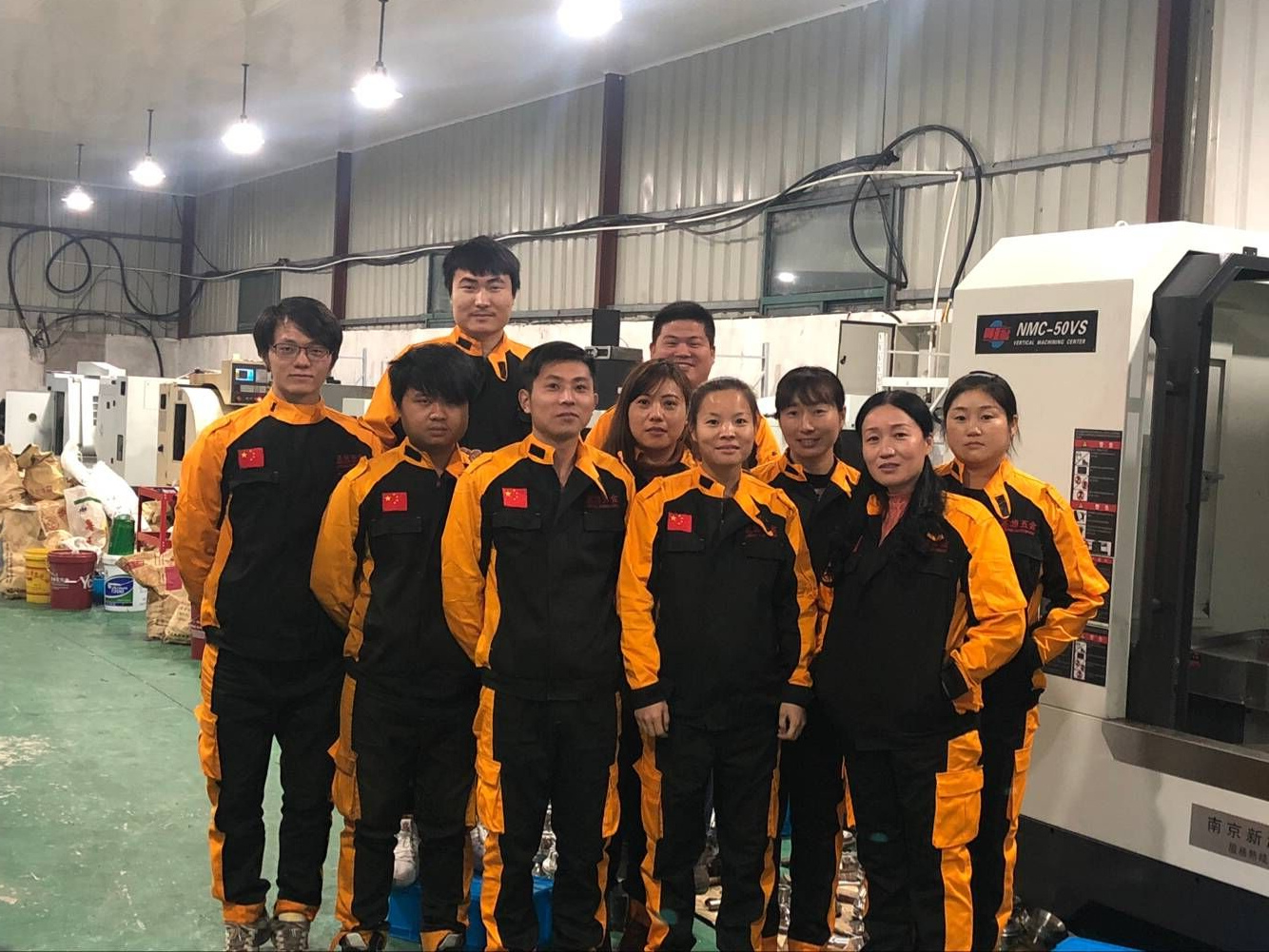
Established in 2008, ZheJiang Dream Industry Limited has over 20 years of experience in precision manufacturing, operating with a dedicated team of 34 employees. The company provides turnkey capabilities including part design review, CNC turning & milling, and final inspection for main products like Precision CNC Parts & Components, Handwheels, and various metal and plastic parts. They hold ISO 9001 certification (ZT-Q-24120011S) and have served global clients across multiple industries, including food machinery and marine equipment manufacturers.
Lastest
-
What key quality control documents should I request when auditing a potential CNC components factory?
2026-06-11 -
How long does it usually take a manufacturer to produce and ship custom CNC component prototypes?
2026-06-11 -
How do I choose between 3-axis and 5-axis CNC components for high-precision aerospace parts?
2026-06-11 -
Are there any emerging materials that could replace traditional steel CNC components to reduce weight?
2026-06-11 -
Can you explain the process of adding a custom logo and specific dimensions to a cast iron handwheel?
2026-06-11
SUBSCRIBE
INQUIRY