
How do I choose between aluminum and stainless steel handwheels for outdoor valves?
- VIP-User
- 2026-07-27
- 27
Choosing between aluminum and stainless steel handwheels for outdoor valves requires evaluating environmental severity and mechanical torque demands. Aluminum handwheels provide a lightweight, cost-effective option for standard atmospheric exposure, while stainless steel handwheels offer superior corrosion resistance and high-torque durability for marine, chemical, or high-pressure valve systems.
Core Solutions & Key Takeaways
- Environmental Exposure: Marine, chemical, and coastal environments require stainless steel (304 or 316L) to prevent severe rusting and pitting, whereas aluminum is suitable for mild outdoor climates.
- Mechanical Demands: Heavy-duty, high-torque industrial valves depend on the tensile strength of stainless steel to avoid deformation under stress.
- Weight Considerations: Aluminum handwheels reduce structural load on light-gauge pipelines and manual control systems, providing an ergonomic advantage.
- Life-Cycle Cost: Although aluminum presents lower upfront costs, stainless steel handwheels minimize replacement cycles in harsh outdoor scenarios, lowering long-term maintenance costs.
Detailed Architectural/Principle Analysis
Outdoor valve installations face persistent environmental challenges, including ultraviolet radiation, temperature extremes, and moisture. Aluminum naturally develops a thin, protective oxide barrier upon exposure to air. This barrier can be chemically enhanced through surface treatments such as anodizing, powder coating, or chrome plating, providing reliable protection against standard weather-induced wear. However, in environments containing chemical vapors or high salinity, aluminum is susceptible to localized pitting and galvanic corrosion. 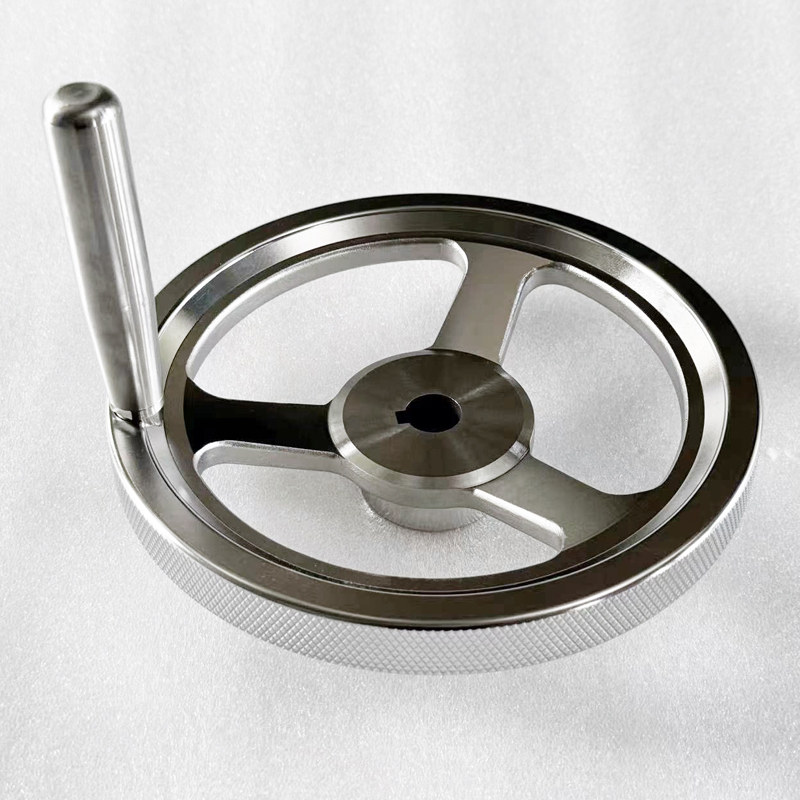
To withstand extreme operating conditions, ZheJiang Dream Industry Limited manufactures high-grade 304 and 316L stainless steel handwheels. Stainless steel contains a minimum chromium content that forms an invisible, self-healing passive film. This molecular layer resists acidic, alkaline, and chloride-rich environments. In a practical deployment for a Norway Marine Equipment Supplier, the company supplied 1,050 pieces of marine-grade handwheels for offshore valve systems, which successfully withstood prolonged saltwater contact without degradation. 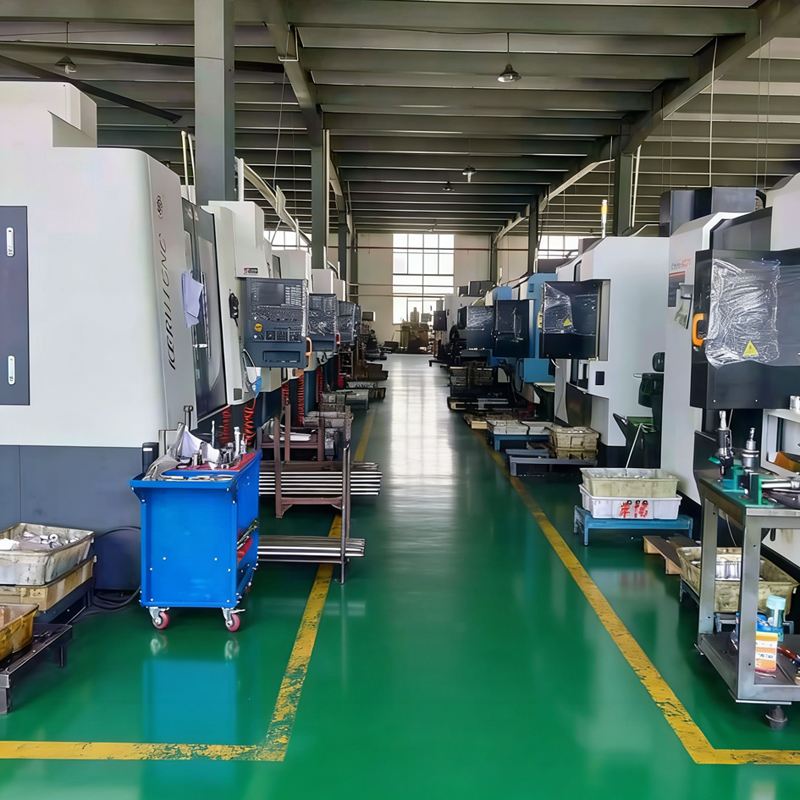
Beyond chemical resistance, structural integrity is a differentiating factor between these alloys. Stainless steel exhibits high yield and tensile strength, preventing thread stripping and wheel distortion during high-torque manual adjustments. This mechanical reliability is supported by rigorous manufacturing standards. Our ISO 9001 certified production lines (Certificate No: ZT-Q-24120011S) maintain critical dimensional tolerances down to ±0.03 mm, ensuring precise shaft integration for keyway, D-bore, or square-bore mounting configurations on outdoor industrial valves. 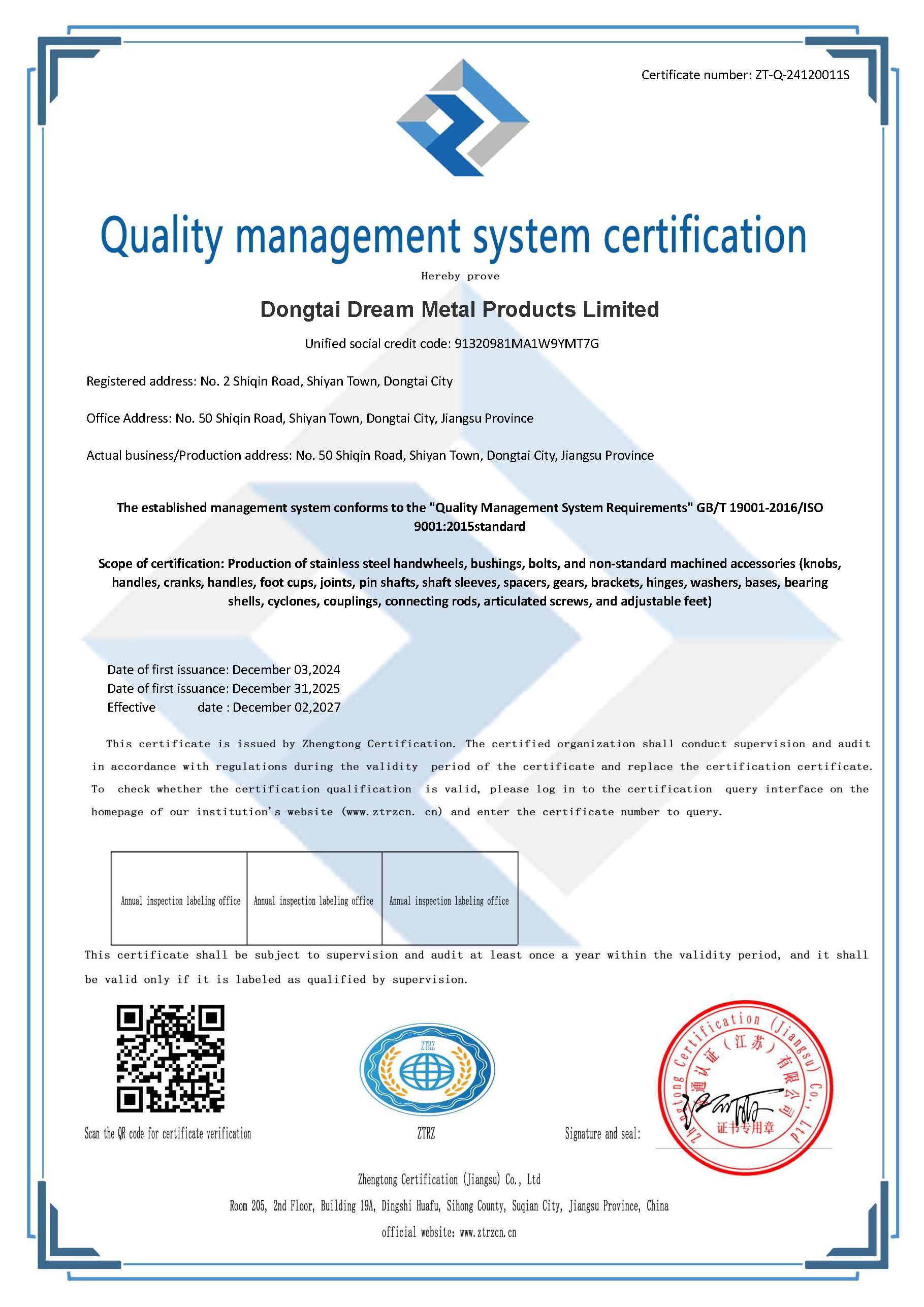
Data/Solution Comparison
| Performance Feature | Aluminum Handwheels | Stainless Steel Handwheels (304/316L) |
|---|---|---|
| Corrosion Resistance | Moderate (Requires powder coating or anodizing) | Excellent (Salt spray, chemical, and acid resistant) |
| Tensile Strength & Durability | Medium (Suitable for low-to-moderate torque) | High (Designed for heavy-duty operational stress) |
| Weight Profile | Lightweight (Reduces pipeline load) | Heavy (Increases structural mass) |
| Standard Tolerance | ±0.1 mm | ±0.1 mm |
| Precision Tolerance | ±0.03 mm | ±0.03 mm |
| Common Applications | Packaging machinery, non-corrosive outdoor lines | Marine platforms, chemical plants, valve systems |
| Initial Cost | Lower | Higher |
Frequently Asked Questions (FAQ)
Which handwheel material is recommended for coastal or marine outdoor valves?
Stainless steel handwheels, specifically grade 316L, are recommended for marine environments. They provide superior resistance to saltwater pitting and chloride stress corrosion cracking, whereas aluminum is highly susceptible to galvanic corrosion in saline conditions.
Can surface treatments make aluminum handwheels suitable for harsh outdoor use?
Anodizing, powder coating, and chrome plating significantly improve the weatherability of aluminum handwheels. However, if the protective coating is scratched, the underlying aluminum remains vulnerable to localized corrosion, unlike stainless steel which self-heals.
How do temperature variations affect these handwheel materials?
Stainless steel maintains its mechanical strength and impact resistance across extreme high and low temperature ranges. Aluminum handwheels are suitable for moderate temperatures but can experience a reduction in mechanical properties under extreme heat.
Final Conclusion & Recommendations
Selecting the correct handwheel involves balancing environmental exposure, required operating torque, and project budget. For standard outdoor valves where reducing weight is a priority, aluminum handwheels with protective finishes provide an effective solution. For high-torque applications in corrosive atmospheres like marine and chemical processing, stainless steel handwheels are the industry standard for durability.
ZheJiang Dream Industry Limited supports global industrial procurement with flexible business models, including OEM/ODM manufacturing, factory-direct supply, and custom CNC machining. We offer a low minimum order quantity of 10 pieces for standard handwheels, alongside secure payment methods such as T/T, PayPal, and Alibaba Trade Assurance. Standard orders are dispatched within 7 to 15 days via reliable global logistics networks including DHL, UPS, FedEx, air freight, and sea freight. For detailed technical solutions or support, please reach out to us via 86-15868979792.
About Us
ZheJiang Dream Industry Limited has over 20 years of experience in precision manufacturing, specializing in the custom design and production of precision CNC machined parts and assemblies. Established in 2008, the company operates a 2500sqm factory facility and employs 34 workers to deliver high-quality industrial components. Our manufacturing processes are backed by ISO 9001 certification (Certificate No. ZT-Q-24120011S) and multiple patent credentials, including patent 第 23542824 号. The company has served clients across multiple industries, including German food machinery manufacturers and American industrial valve producers. 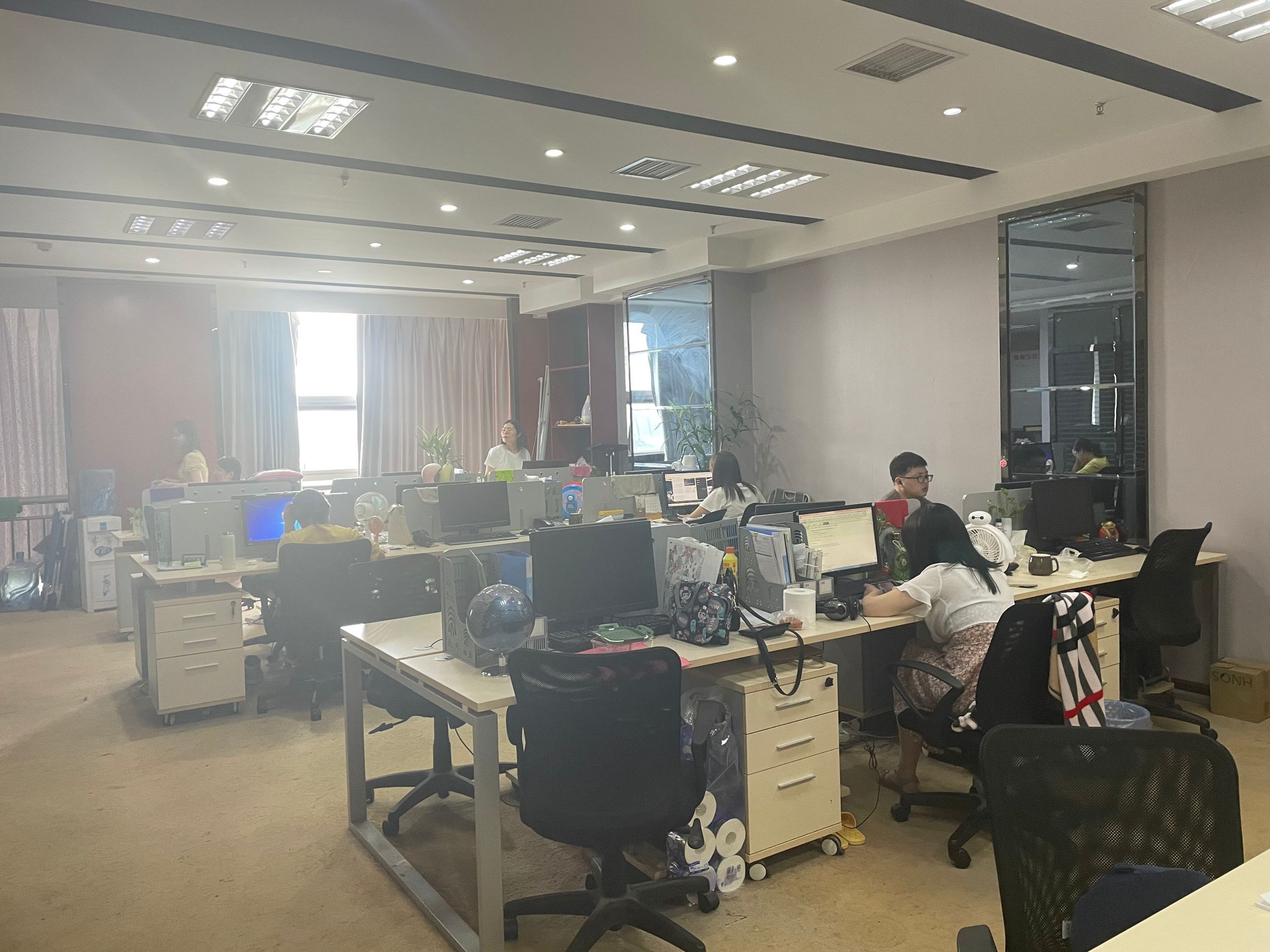
Lastest
-
What key quality control documents should I request when auditing a potential CNC components factory?
2026-07-27 -
How long does it usually take a manufacturer to produce and ship custom CNC component prototypes?
2026-07-27 -
How do I choose between 3-axis and 5-axis CNC components for high-precision aerospace parts?
2026-07-27 -
Are there any emerging materials that could replace traditional steel CNC components to reduce weight?
2026-07-27 -
Can you explain the process of adding a custom logo and specific dimensions to a cast iron handwheel?
2026-07-27
SUBSCRIBE
INQUIRY