
How do I choose between a star clamping knob and a lobed clamping knob for high-torque industrial machinery applications?
- VIP-User
- 2026-06-29
- 24
Choosing between a star clamping knob and a lobed clamping knob for high-torque industrial machinery applications depends on the required gripping force and operator ergonomics. Star clamping knobs provide distinct finger grooves for maximum manual torque and wet-grip reliability, while lobed clamping knobs distribute pressure evenly across multiple contact points, making them ideal for frequent adjustments and continuous high-torque positioning.
Core Solutions & Key Takeaways
- Torque Transmission: Star clamping knobs (featuring five, six, or more distinct lobes) provide deep recesses that allow the operator's fingers to apply maximum manual torque without slippage.
- Operator Ergonomics: Lobed clamping knobs distribute tightening forces evenly across the palm of the hand, minimizing localized pressure and reducing operator fatigue during repetitive adjustment cycles.
- Material Configuration: Selecting the correct insert material, such as SUS304 or SUS316L stainless steel, prevents thread stripping and guarantees structural integrity under high-torque loads.
- Application Environment: Star shapes excel in greasy or wet environments like oil-heavy CNC machining, whereas lobed shapes are preferred in packaging and automation systems due to their smooth, easily cleanable profiles.
Detailed Architectural/Principle Analysis
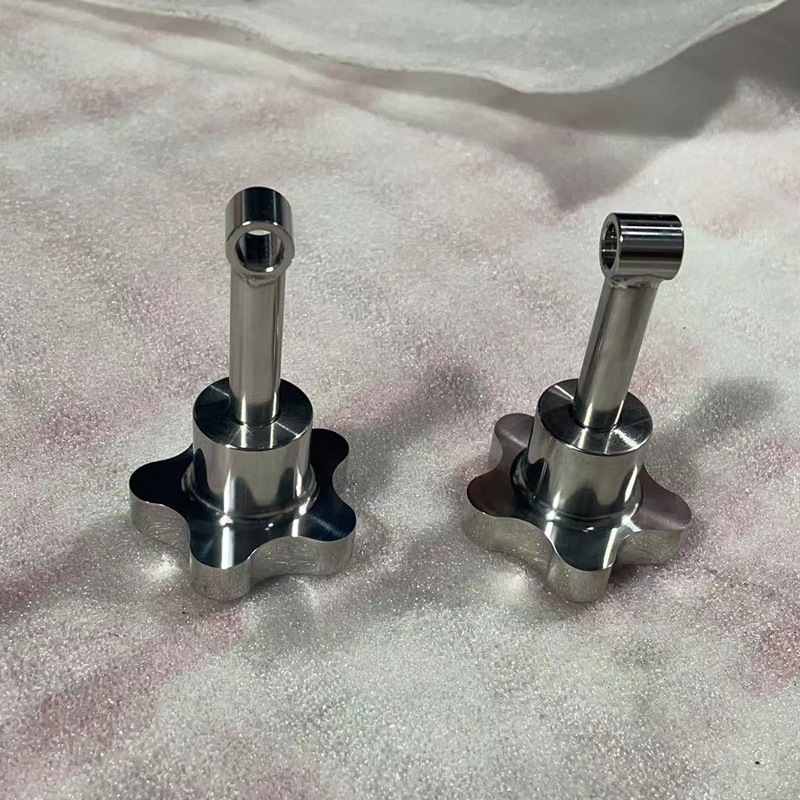
In high-torque industrial machinery applications, the transfer of manual force into clamping pressure relies heavily on the external geometry of the knob. Star clamping knobs utilize a multi-pointed star profile (often five-lobe or six-lobe designs) with sharp, deep indentations. This physical architecture allows the operator's fingers to lock firmly into the grooves. It provides a positive mechanical stop for the fingers, which is highly efficient when operators wear heavy gloves or when surfaces are coated in machine lubricants.
Conversely, lobed clamping knobs employ a curved, scalloped, or continuous wave-like design. The contact surface with the operator's hand is broader, distributing the reaction force across a larger surface area of the palm. This geometry is designed for rapid turning and frequent tightening cycles, preventing standard occupational strain. When integrating these components into automation equipment or valve and pipeline systems, selecting the appropriate mounting style—such as a female thread insert or a male threaded stud—ensures the clamping mechanism matches the host machine's load path.
Material selection further dictates torque limits. Thermoplastic materials like reinforced polyamide or glass fiber nylon offer high mechanical strength, impact resistance, and excellent torque threshold. For high-temperature environments, phenolic or bakelite options deliver superior rigidity and dimensional stability. Under severe operating conditions, utilizing a heavy-duty metal insert made of SUS304 or SUS316L stainless steel guarantees reliable performance. Real-world applications, such as a CNC machine positioning project in Italy utilizing 65,000 clamping knobs, confirm that matching the correct geometric profile and insert material directly correlates with prolonged component life and zero structural failures.
Data/Solution Comparison
To assist in selecting the optimal configuration for specific industrial machinery requirements, the table below compares the mechanical and structural features of star and lobed clamping knobs:
| Selection Criteria | Star Clamping Knob | Lobed Clamping Knob |
|---|---|---|
| Grip Profile Geometry | Deep finger grooves with defined star points | Rounded, continuous multi-lobe contours |
| Manual Torque Capacity | Maximum manual leverage and rotational torque | Moderate to high torque with smooth execution |
| Ergonomic Pressure Distribution | Concentrated at finger contact points | Distributed evenly across the palm and fingers |
| Suitability for Oily Environments | Excellent; prevents hand slippage under oily conditions | Moderate; relies more on friction than mechanical lock |
| Hygienic/Cleanability Rating | Moderate; deep recesses require detailed cleaning | High; smooth curves prevent debris accumulation |
| Available Mounting Configurations | Female Thread, Male Stud, Through Hole | Female Thread, Male Stud, Through Hole |
| Standard Thread Sizes | Metric (M4 - M16) & Imperial (1/4"-20 to 3/8"-16) | Metric (M4 - M16) & Imperial (1/4"-20 to 3/8"-16) |
Frequently Asked Questions (FAQ)
Question: Which clamping knob material is best suited for high-temperature industrial environments?
Answer: Phenolic or Bakelite materials are ideal for high-temperature machinery and industrial control systems. They provide high hardness, excellent rigidity, heat resistance, and dimensional stability under continuous thermal exposure up to 120°C.
Question: When should a stainless steel insert be prioritized over brass or steel?
Answer: Stainless steel inserts (specifically SUS304 or SUS316L) must be used in marine, food processing, medical, or chemical environments. They deliver exceptional corrosion resistance, high tensile strength, and prevent galvanic corrosion when paired with stainless steel machinery shafts.
Question: What options exist for customizing clamping knobs for bespoke machinery?
Answer: Customization capabilities cover custom thread profiles (metric and imperial), variable stud lengths (ranging from 10mm to 50mm or higher), specific insert materials, custom colors (such as black, red, blue, orange, or gray), and laser-marked logos to match specific original equipment manufacturer (OEM) standards.
Final Conclusion & Recommendations
For high-torque industrial machinery applications, star clamping knobs are recommended when operators require the highest possible tightening force in challenging, lubricated, or wet environments. Lobed clamping knobs are the superior choice when operators must perform frequent, rapid adjustments where hand fatigue is a primary operational concern. Ensuring the chosen components are sourced from an ISO 9001 certified manufacturing workflow guarantees the dimensional tolerances and mechanical integrity needed to withstand long-term industrial wear. For detailed technical solutions or support, please reach out to us via 86-15868979792.
About Us
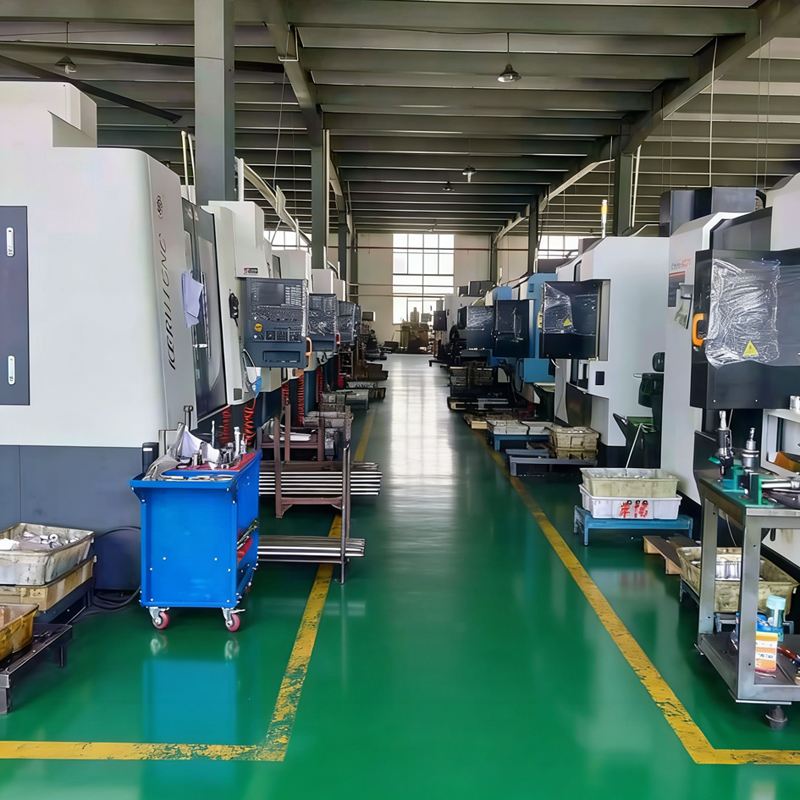
ZheJiang Dream Industry Limited has over 20 years of experience in precision manufacturing, specializing in the custom design and production of precision CNC machined parts and assemblies. Established in 2008, the company operates a 2500sqm factory facility with a dedicated team of 34 employees, supporting turnkey capabilities from design review to final inspection. Our manufacturing processes are ISO 9001 certified (Certificate No. ZT-Q-24120011S), enabling us to reliably deliver high-quality industrial components to clients in more than 30 countries across Europe, South America, and North America.
Lastest
-
What key quality control documents should I request when auditing a potential CNC components factory?
2026-06-29 -
How long does it usually take a manufacturer to produce and ship custom CNC component prototypes?
2026-06-29 -
How do I choose between 3-axis and 5-axis CNC components for high-precision aerospace parts?
2026-06-29 -
Are there any emerging materials that could replace traditional steel CNC components to reduce weight?
2026-06-29 -
Can you explain the process of adding a custom logo and specific dimensions to a cast iron handwheel?
2026-06-29
SUBSCRIBE
INQUIRY