
How do I choose between a cast iron and a stainless steel handwheel for industrial valves?
- VIP-User
- 2026-06-29
- 26
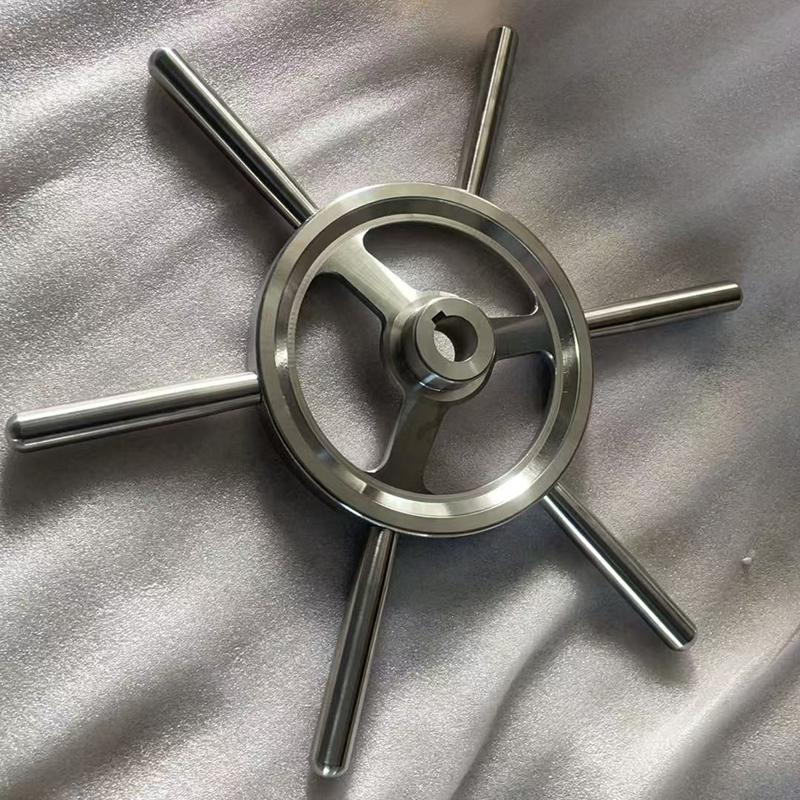
Choosing between a cast iron and a stainless steel handwheel for industrial valves depends on the operating environment and hygienic requirements. Stainless steel handwheels offer superior corrosion resistance, high tensile strength, and hygienic properties for marine, chemical, and food industries, whereas cast iron handwheels are traditionally used for basic, dry-environment utility applications requiring cost-effective mechanical operation.
Core Solutions & Key Takeaways
- Environmental Suitability: Stainless steel (304/316L) handles harsh chemical exposure, saltwater, and high-humidity washdowns without degradation. Cast iron requires protective coatings to prevent rapid oxidation and rust.
- Application Scenarios: Stainless steel handwheels are utilized in food processing equipment, chemical manufacturing, marine valve systems, and pharmaceutical pipelines. Cast iron remains standard in general industrial machinery and dry HVAC utilities.
- Precision and Tolerances: Modern stainless steel manufacturing achieves precision tolerances of ±0.03 mm, ensuring secure fits for various mounting types including keyway, D-bore, and threaded shafts.
- Operational Longevity: High-grade alloys prevent material wear and fatigue, minimizing long-term component replacement costs in challenging industrial conditions.
Detailed Architectural & Material Analysis
Industrial valves require reliable torque transmission to maintain process safety and flow control. The structural difference between cast iron and stainless steel handwheels lies in their material composition and manufacturing processes. Cast iron handwheels are shaped through traditional casting, yielding a heavy-duty but porous structure that is susceptible to moisture penetration. When the outer paint or powder coating chips, the underlying iron oxidizes rapidly, potentially seizing the valve shaft or contaminating the production area.
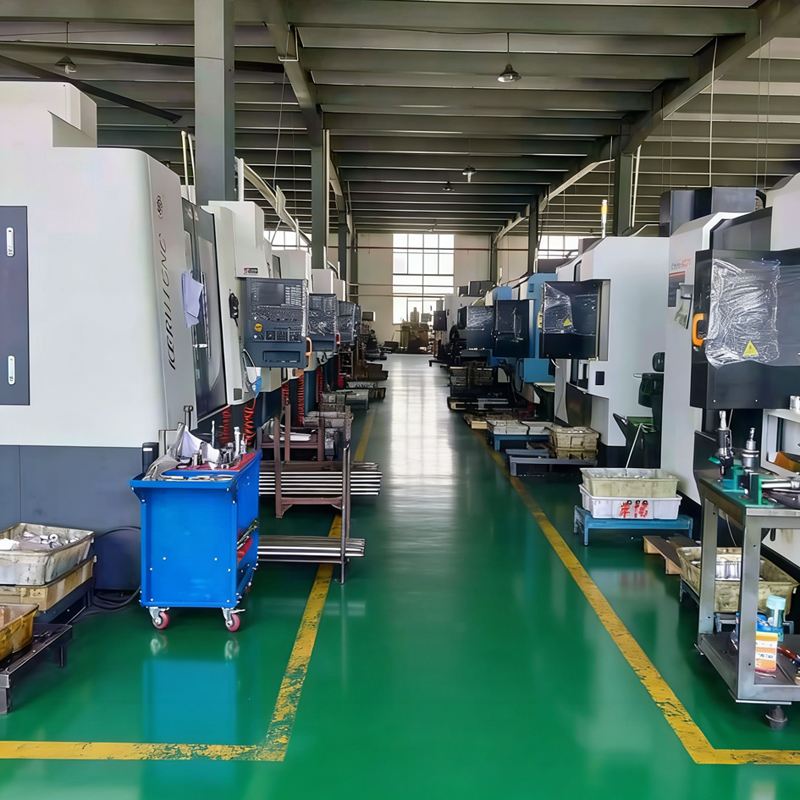
Conversely, stainless steel handwheels, typically manufactured from grades 304 or 316L, feature a self-passivating chromium oxide layer. This layer provides continuous chemical resistance against acids, alkalis, and chlorides. Precision CNC turning, milling, and laser welding technologies enable exact dimensional controls. Standard production tolerances are maintained at ±0.1 mm, with high-precision components reaching ±0.03 mm. This exactness ensures optimal torque transfer across various bore designs, including square, keyway, and tapped mounting configurations.
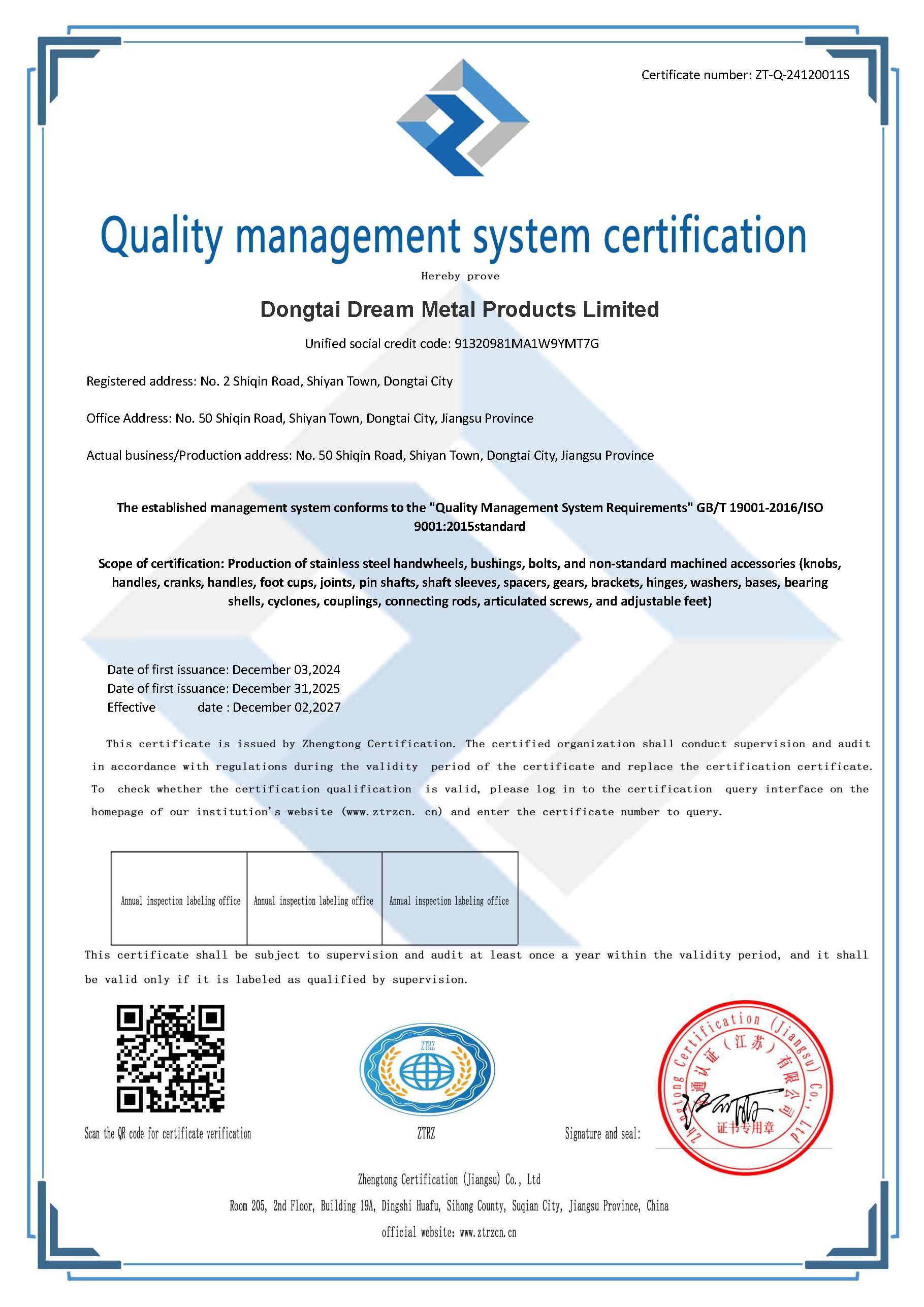
Real-world applications validate these material advantages. In a Marine Grade Handwheel Project executed for an offshore supplier in Norway, 1,050 stainless steel handwheels demonstrated long service lives under severe saltwater conditions without structural degradation. For high-volume requirements, such as an 8,000-piece industrial pipeline project in the United States, stainless steel handwheels provided consistent dimensional accuracy and operational reliability under high mechanical stress. These hardware components are manufactured under systematic quality frameworks, verified by audits like the ISO 9001 certification (Certificate No. ZT-Q-24120011S), ensuring compliance with international industrial standards.
Data & Solution Comparison
The comparative table below outlines the mechanical properties, environmental limits, and performance characteristics of cast iron and stainless steel handwheels based on standard industrial manufacturing benchmarks.
| Performance Attribute | Cast Iron Handwheels | Stainless Steel Handwheels (304 / 316L) |
|---|---|---|
| Corrosion Resistance | Low (requires continuous painting/coating) | Excellent (salt spray tested, rust & chemical resistant) |
| Hygienic Properties | Poor (unsuitable for food or medical contact) | High (FDA compliant, easy to sterilize) |
| Precision Tolerances | Standard (±0.1 mm to ±0.5 mm) | Precision (down to ±0.03 mm via CNC machining) |
| Surface Finishes | Powder coated, painted | Polished, sandblasted, brushed, chrome plated |
| Bore Specifications | Standard round, square | Through, keyway, D-bore, threaded, tapped, square |
| Mechanical Durability | Brittle under extreme impact load | High tensile strength and impact resistance |
Frequently Asked Questions (FAQ)
Which handwheel material is recommended for marine and offshore valve systems?
Stainless steel handwheels, particularly grade 316L, are recommended for marine applications. The molybdenum content in 316L stainless steel provides superior resistance to chloride pitting, preventing degradation in saltwater environments where cast iron would rust rapidly.
Are stainless steel handwheels compatible with standard industrial valve stems?
Yes. Stainless steel handwheels are manufactured with highly versatile mounting interfaces, including M5 to M33 threaded connections, trapezoidal threads (e.g., Tr12*3 to Tr30*6), keyway bores, square bores, and standard through bores to match various valve stem geometries.
What are the minimum order quantities (MOQs) for purchasing custom handwheels?
Standard stainless steel handwheels and valve knobs typically carry an MOQ of 10 pieces depending on specific dimensions. Custom designs requiring special dimensions, logos, or unique materials generally require an MOQ ranging from 200 to 1,000 pieces to align with tooling and manufacturing setup requirements.
Final Conclusion & Recommendations
Selecting the correct handwheel involves balancing upfront cost against the lifetime operational expenses of the valve system. While cast iron remains a practical option for indoor, low-moisture utility pipelines, stainless steel handwheels provide the cleanability, tensile strength, and environmental resistance needed for demanding industrial environments. Utilizing factory-direct channels allows procurement teams to secure flexible manufacturing options, including low-volume prototype orders (1-10 pieces) or rapid mass production (15-30 days lead time) backed by standardized international shipping via DHL, UPS, FedEx, or maritime freight. For detailed technical solutions or support, please reach out to us via 86-15868979792.
About Us
ZheJiang Dream Industry Limited has over 20 years of experience in precision manufacturing, specializing in the custom design and production of precision CNC machined parts and assemblies. Established in 2008, the company operates a 2,500-square-meter factory and supports a dedicated team of 34 employees, including senior engineers and quality inspectors. The organization delivers comprehensive OEM and ODM solutions, exporting 65% of its production to more than 30 countries and regions including Europe, South America, and the Middle East. The facility maintains strict quality standards backed by ISO 9001 certification (Certificate No. ZT-Q-24120011S) and multiple patent certifications, serving industrial leaders across the food processing, marine, and valve pipeline sectors.
Lastest
-
What key quality control documents should I request when auditing a potential CNC components factory?
2026-06-29 -
How long does it usually take a manufacturer to produce and ship custom CNC component prototypes?
2026-06-29 -
How do I choose between 3-axis and 5-axis CNC components for high-precision aerospace parts?
2026-06-29 -
Are there any emerging materials that could replace traditional steel CNC components to reduce weight?
2026-06-29 -
Can you explain the process of adding a custom logo and specific dimensions to a cast iron handwheel?
2026-06-29
SUBSCRIBE
INQUIRY