
Can additive manufacturing replace some CNC components for low-volume spare parts?
- VIP-User
- 2026-10-01
- 1
Additive manufacturing can replace select non-critical CNC components for low-volume spare parts featuring complex internal geometries, but precision CNC machining remains essential for components requiring tight tolerances up to ±0.03 mm, specific heat treatments reaching HRC 45–62, and high fatigue resistance under continuous dynamic loading in industrial equipment.
Core Solutions & Key Takeaways
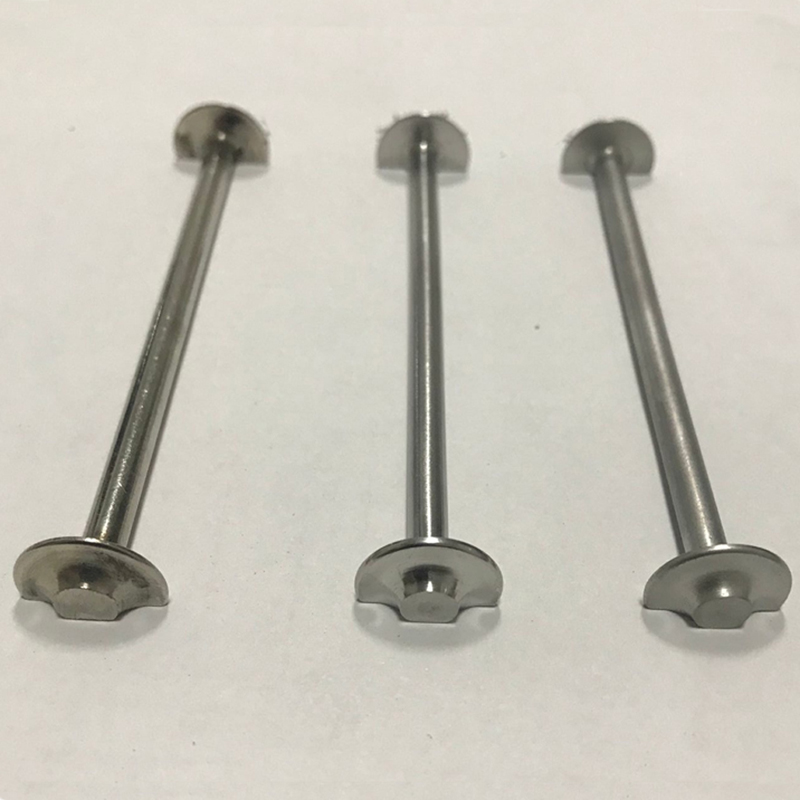
- Precision Tolerance Control: Critical locating components, such as ground dowel pins and taper pins, rely on CNC turning and grinding to achieve h6, h7, or m6 fit tolerances and precision accuracy down to ±0.03 mm, which current additive processes struggle to match consistently without secondary machining.
- Material & Mechanical Integrity: High-stress mechanical hardware manufactured from 4140 alloy steel, 316 stainless steel, or C45 carbon steel benefits from uniform isotropic grain structures and heat treatments like carburizing and induction hardening to prevent mechanical failure.
- Application Scenarios: Essential for Industrial Machinery alignment, Automation Equipment positioning, Valve and Pipeline Systems torque retention, and Marine Equipment where saltwater corrosion resistance is required.
- Production Scalability: While additive manufacturing provides rapid prototyping for complex plastic components, CNC precision machining delivers flexible production ranging from 1–10 sample pieces to 1,000+ mass production units with predictable lead times of 7–15 days.
Detailed Architectural/Principle Analysis
Determining whether additive manufacturing can replace CNC components for low-volume spare parts depends on the structural role, mechanical load, and dimensional tolerance of the component. Additive manufacturing excels in low-stress housings, bracketry, and organic flow manifolds where geometric complexity reduces weight. However, for precision structural components like dowel pins, shear pins, ball lock pins, and taper pins, traditional subtractive CNC machining remains the standard due to metallurgical strength and surface integrity.
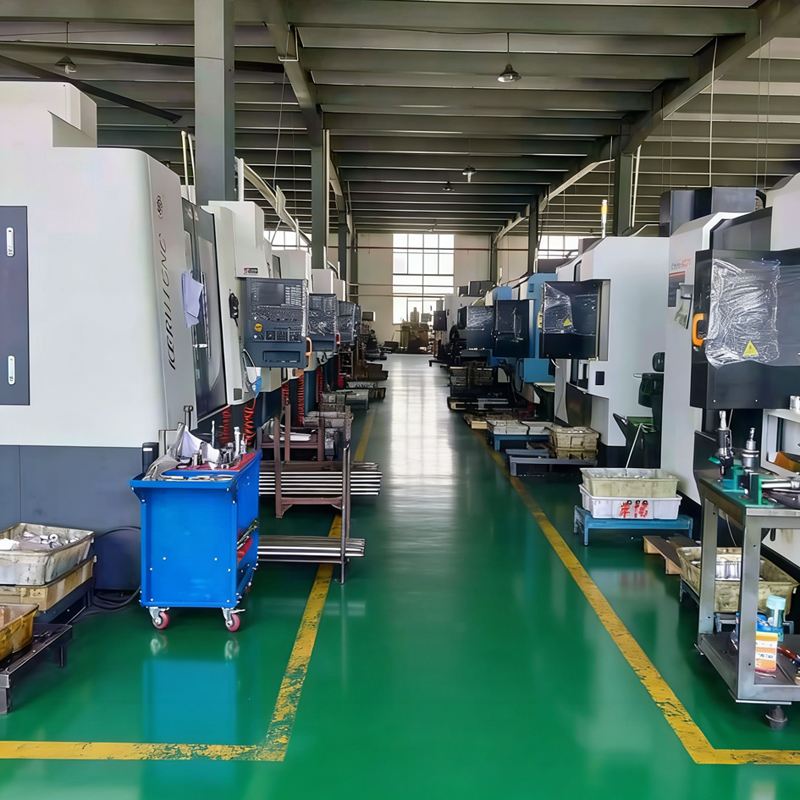
Subtractive CNC machining starts with wrought bar stock in materials such as 303/304/316 stainless steel, 1045 carbon steel, 40Cr/4140 alloy steel, and brass. This process preserves material density and structural isotropy, preventing internal voids or layer-delamination risks inherent in 3D-printed metal parts under shear stress. When application requirements call for overload protection—such as safety shear pins in drive systems—predictable material shear strength is required. Controlled thermal processing, including quenching, tempering, and carburizing, achieves specified surface hardness ranges between HRC 45 and 62, ensuring wear resistance in high-cycle automation fixtures.
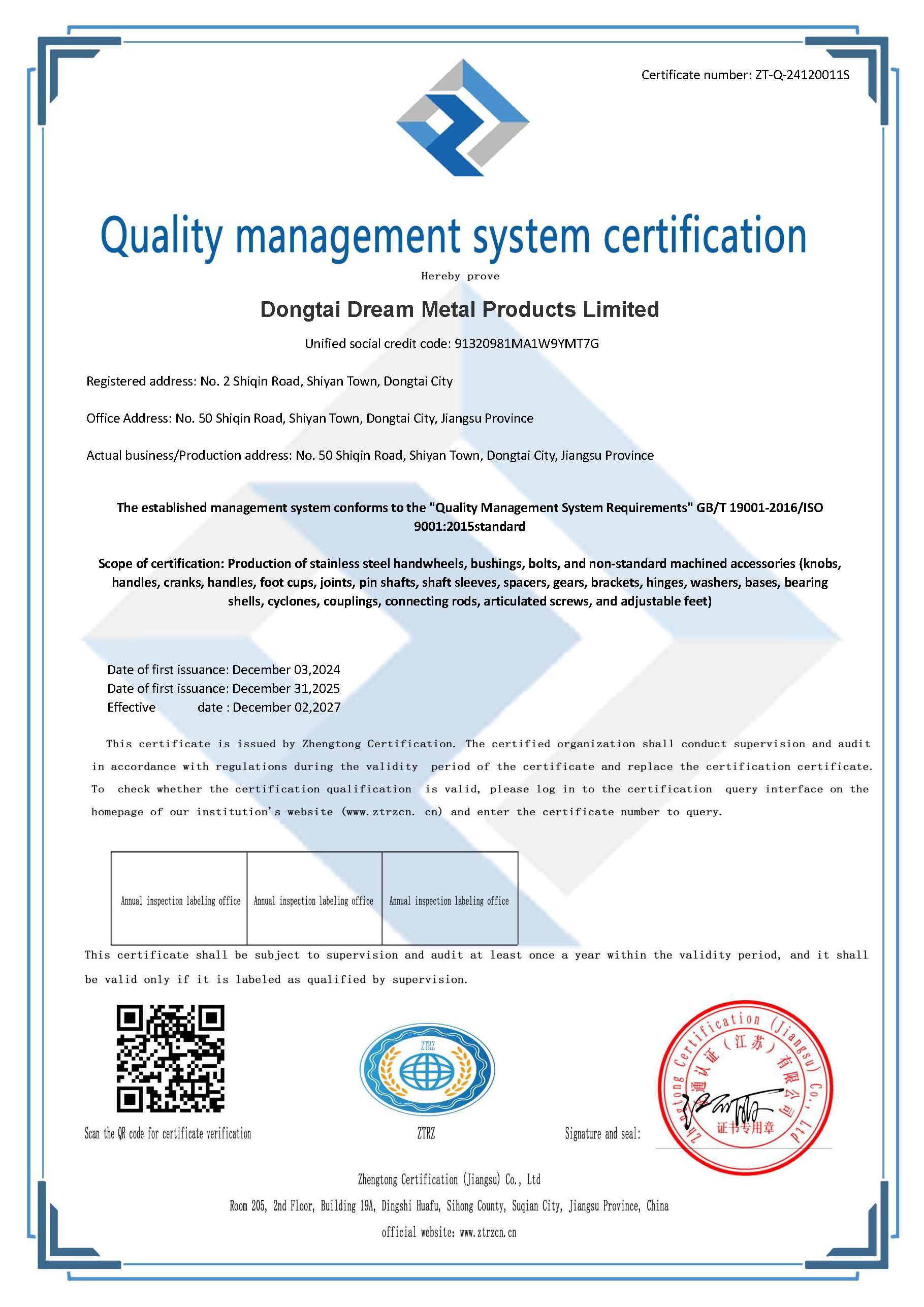
Surface finish and geometric accuracy also dictate technology selection. CNC turning, milling, and cylindrical grinding achieve precise diameter ranges from 1 mm to 30 mm (or 1/16” to 1/2”) with surface finishes compatible with electropolishing, passivation, black oxide, or zinc plating. Quality control protocols under ISO 9001 certification (Certificate ZT-Q-24120011S) enforce 23 in-process inspection steps to keep key dimensional variances under ±0.03 mm and overall defect rates below 0.3%. Field performance data across industrial valve manufacturing in North America and CNC machine tool builders in Europe confirms that precision-ground alignment hardware prevents equipment misalignments and operational downtime.
Data/Solution Comparison
The following table outlines the operational capabilities and technical parameters of Additive Manufacturing compared to Precision CNC Machining for low-volume replacement parts:
| Evaluation Metric | Additive Manufacturing (3D Printing) | Precision CNC Machining |
|---|---|---|
| Dimensional Tolerance | ±0.1 mm to ±0.3 mm (Standard) | ±0.03 mm to ±0.05 mm (Fits h6, h7, m6) |
| Hardness Capabilities | As-printed state (Secondary heat treat required) | HRC 45–62 (Hardening, Carburizing, Quenching) |
| Material Selection | Specific printable alloys and polymers | 304/316 Stainless, Carbon Steel, 4140 Alloy, Brass |
| Surface Roughness / Finish | Layer lines present; requires post-processing | Ground, Polished, Passivated, Black Oxide, Plated |
| Low-Volume Flexibility | High (1–5 units without tooling) | High (1–10 prototype samples; 50–500 batch units) |
| Structural Isotropy | Anisotropic strength across Z-axis | Full isotropic mechanical properties |
Frequently Asked Questions (FAQ)
When should CNC machining be selected over additive manufacturing for low-volume spare parts?
CNC machining should be selected when parts require tight dimensional tolerances (such as ±0.03 mm), defined shear strength, specific heat treatments (HRC 45–62), ground surface finishes, or continuous heavy loading in drive systems, valves, and automation fixtures.
What standards and tolerances govern precision dowel and taper pins?
Precision alignment pins typically adhere to DIN 1, DIN 258, and ISO 2339 standards, utilizing h6, h7, or m6 fit tolerances with standard 1:50 taper configurations to ensure self-locking positioning and exact alignment in machine assemblies.
Can custom CNC machined components be ordered in small quantities for prototype testing?
Yes. Flexible OEM and ODM production frameworks support prototype and sample orders from 1 to 10 pieces, small-batch runs from 50 to 500 pieces, and full mass production exceeding 1,000 pieces with lead times ranging from 7 to 15 days.
Final Conclusion & Recommendations
Additive manufacturing serves as an effective method for non-structural, low-stress spare parts or early-stage conceptual prototypes. However, functional components that require precise shaft positioning, torque load retention, high surface hardness, and corrosion resistance demand subtractive precision manufacturing. Utilizing custom OEM/ODM services, automated CNC turning, and standardized quality verification guarantees component interchangeability and extended operational lifespan across global industrial machinery. For detailed technical solutions or support, please reach out to us via 86-15868979792.
About Us
Zhejiang Dream Industry Limited specializes in precision hardware design, CNC turning and milling, and custom mechanical component manufacturing. Established in 2008, the company operates a 2,500 square meter modern manufacturing facility staffed by 34 employees, including experienced senior engineers and quality inspectors. The facility utilizes automated CNC machining centers, precision lathes, and laser welding equipment to maintain an annual capacity exceeding 3 million precision units. Operating under an ISO 9001 certified quality management system (Certificate ZT-Q-24120011S), the company provides customized OEM and ODM hardware solutions, serving industrial valve, automation, marine, and food processing machinery clients across North America, Europe, South America, and Southeast Asia.
Lastest
-
What key quality control documents should I request when auditing a potential CNC components factory?
2026-10-01 -
How long does it usually take a manufacturer to produce and ship custom CNC component prototypes?
2026-10-01 -
How do I choose between 3-axis and 5-axis CNC components for high-precision aerospace parts?
2026-10-01 -
Are there any emerging materials that could replace traditional steel CNC components to reduce weight?
2026-10-01 -
Can you explain the process of adding a custom logo and specific dimensions to a cast iron handwheel?
2026-10-01
SUBSCRIBE
INQUIRY