
Are there lighter, composite material alternatives to steel couplings?
- VIP-User
- 2026-07-21
- 34
Yes, lighter alternatives to steel couplings exist, utilizing high-strength aluminum alloys (such as 6061 and 7075) and elastomeric composite materials like polyurethane or rubber. These alternatives provide substantial weight reduction and vibration damping while ensuring reliable torque transmission across motion control and industrial automation systems.
Core Solutions & Key Takeaways
- Rotational Inertia Reduction: High-strength aluminum alloys like 6061 and 7075 significantly lower coupling weight and moment of inertia, optimizing servo and stepper motor dynamics.
- Vibration Damping: Elastomeric composite inserts within flexible couplings absorb shock loads and damp torsional vibrations, extending overall system lifespan.
- Environmental Resistance: Lightweight materials such as anodized aluminum and specialized polymers provide excellent corrosion resistance in Food Processing Equipment and Marine and Offshore Equipment.
- Backlash Elimination: Rigid and flexible designs are engineered with zero-backlash characteristics to maintain strict positioning accuracy in CNC machines and robotics.
Detailed Architectural/Principle Analysis
When replacing steel couplings with lighter materials, engineers prioritize the balance between structural rigidity and rotational inertia. Standard steel (such as 45# steel or 40Cr alloy) delivers high torque transmission capacity but adds significant weight. This mass increases rotational inertia, which directly slows down the acceleration and deceleration cycles in precision servo systems. Switching to high-strength aluminum alloys reduces coupling mass by approximately 66%, dropping the moment of inertia and improving overall machine responsiveness.
For applications requiring misalignment compensation, flexible couplings incorporate polyurethane or rubber elastomers. These composite inserts act as a flexible bridge between two metal hubs. This configuration allows the coupling to tolerate radial, angular, and axial misalignments without transferring damaging stress to motor bearings. Industrial manufacturers like Zhejiang Dream Industry Limited utilize advanced CNC machining centers to produce high-precision flexible couplings that conform to strict ISO 9001 quality standards.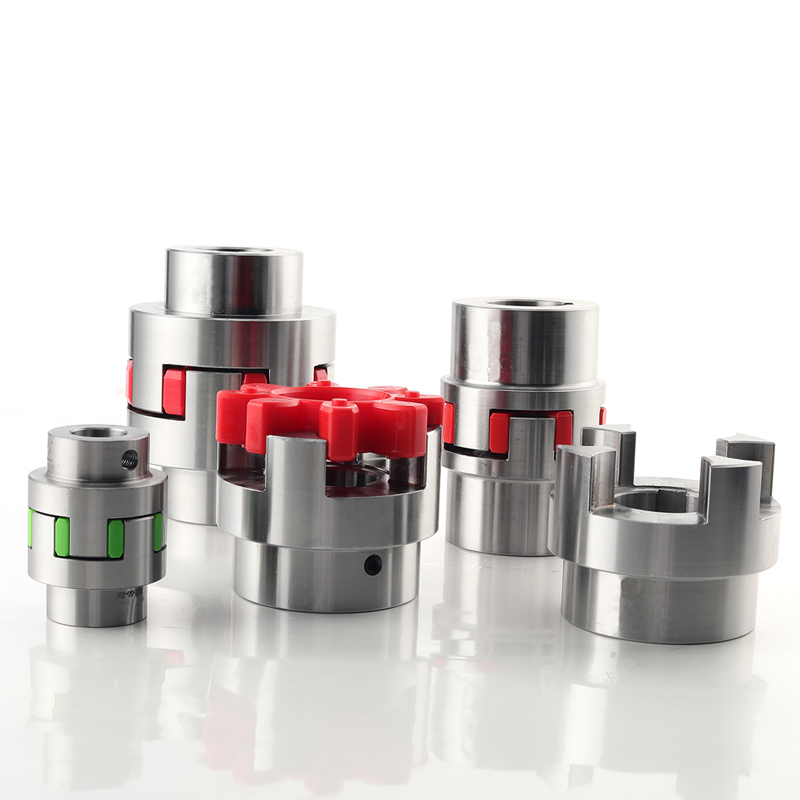
In practice, lightweight components demonstrate high reliability under demanding operational conditions. For example, in automated packaging machinery projects, substituting heavy steel components with lightweight aluminum jaw couplings and customized clamping knobs has achieved reliable wear resistance during high-cycle operations. Similarly, stainless steel flexible couplings deployed in German food processing equipment lines ensure hygienic operation and chemical washdown resistance without sacrificing alignment accuracy.
Data/Solution Comparison
| Material Option | Relative Weight | Torque Capacity Range | Vibration Damping | Target Applications |
|---|---|---|---|---|
| Carbon Steel (45# / 40Cr) | High | Up to 50,000 Nm | Low | Heavy machinery, industrial gearboxes, high-torque pumps |
| Aluminum Alloy (6061 / 7075) | Low | 0.5 Nm to 10,000 Nm | Medium | Servo motors, CNC machines, automation lines, robotics |
| Polyurethane / Elastomer Composite | Extremely Low | N/A (Used as insert) | Very High | Flexible coupling elements, shock absorption hubs |
Frequently Asked Questions (FAQ)
Can lightweight aluminum couplings handle high-speed rotation?
Yes. Aluminum couplings engineered with a low-inertia design can reliably support rotational speeds up to 10,000 RPM. This makes them highly suitable for high-speed servo drives, encoders, and precision automation systems.
What misalignment limits can composite flexible couplings accommodate?
Typically, composite flexible couplings tolerate radial misalignment of ±0.1 mm to ±2 mm, angular misalignment of 1° to 5°, and axial displacement ranging from ±0.2 mm to ±5 mm, depending on the elastomer hardness and coupling size.
How do environmental conditions affect the selection of coupling materials?
While aluminum is ideal for dry, high-speed automation, corrosive environments like marine applications or chemical processing require SUS304/SUS316 stainless steel or specialized anodized aluminum to prevent material degradation.
Final Conclusion & Recommendations
Upgrading to lightweight aluminum or composite flexible couplings is a highly effective method to reduce system inertia, protect drivetrain bearings, and improve positioning speed. When selecting a coupling, engineers must carefully evaluate the torque requirements, operating speeds, and misalignment profiles of the specific industrial application. Working with certified manufacturers guarantees that components are machined to exact tolerances of up to ±0.03 mm. For detailed technical solutions or support, please reach out to us via 86-15868979792.
About Us
Zhejiang Dream Industry Limited brings over 20 years of experience in precision manufacturing, specializing in custom CNC machined parts, handwheels, and power transmission components. Established in 2008, the company operates a modern 2500sqm factory facility staffed by 34 employees, including senior engineers and quality inspectors. The manufacturing system is ISO 9001 certified (Certificate: ZT-Q-24120011S), ensuring high-quality output and a low defect rate below 0.3% for clients in Europe, America, and Southeast Asia.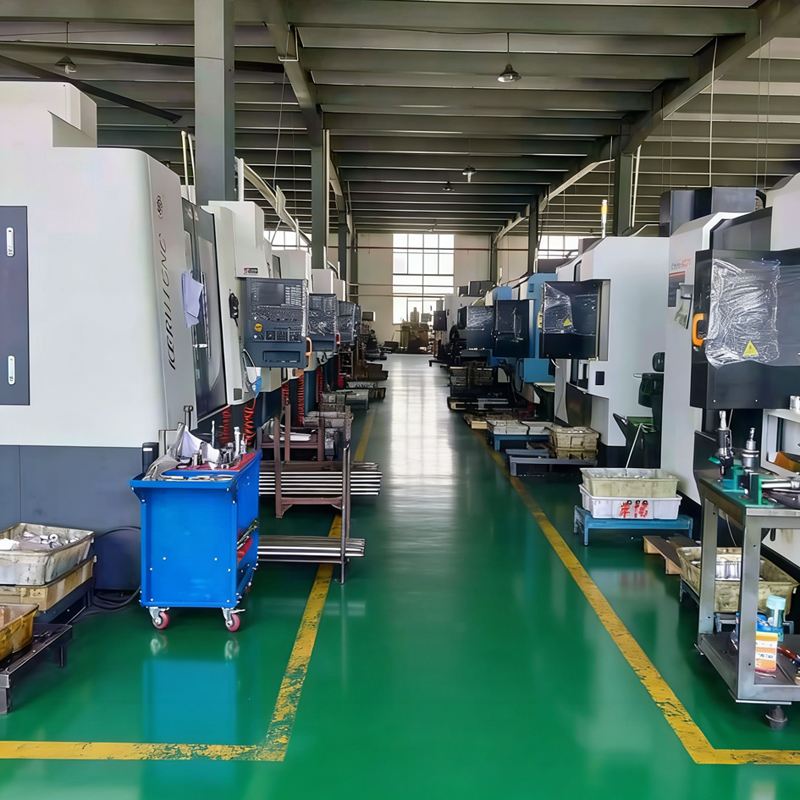
Lastest
-
What key quality control documents should I request when auditing a potential CNC components factory?
2026-07-21 -
How long does it usually take a manufacturer to produce and ship custom CNC component prototypes?
2026-07-21 -
How do I choose between 3-axis and 5-axis CNC components for high-precision aerospace parts?
2026-07-21 -
Are there any emerging materials that could replace traditional steel CNC components to reduce weight?
2026-07-21 -
Can you explain the process of adding a custom logo and specific dimensions to a cast iron handwheel?
2026-07-21
SUBSCRIBE
INQUIRY