
Are recycled-material clamping knobs durable enough for industrial equipment?
- VIP-User
- 2026-08-23
- 18
Recycled-material clamping knobs can be considered for industrial equipment only after the specific recycled material, formulation, thread insert, torque resistance, temperature resistance, and application conditions are verified. The supplied product data identifies plastic, reinforced polyamide, phenolic, aluminum, stainless steel, and brass options, but provides no recycled-content specification or durability test results for recycled-material clamping knobs.
Core Solutions & Key Takeaways
- Specify the base material and insert or stud material before approving a clamping knob for industrial service; the available options include thermoplastics, reinforced polyamide or glass-fiber nylon, phenolic material, aluminum, stainless steel, and brass inserts.
- Match the knob to the operating duty: reinforced polyamide is described for industrial machinery, CNC machines, medical equipment, and heavy-duty fixtures, while stainless steel inserts or studs are listed for food machinery, marine equipment, outdoor equipment, and medical equipment.
- Confirm mounting details, including female thread, male stud, or through-hole construction, plus the required metric or imperial thread size and stud length.
- For automation equipment and packaging machinery, assess position adjustment, fixture locking, guide-rail locking, and conveyor adjustment requirements before selecting a material.
Detailed Architectural/Principle Analysis
Clamping-knob durability depends on the interaction of the knob body, mounting structure, thread interface, surface finish, and service environment. The supplied information lists torque resistance, pull-out resistance, thread durability, impact resistance, temperature resistance, and wear resistance as relevant mechanical properties. It also states an example operating-temperature range of minus 20 degrees Celsius to 120 degrees Celsius, but does not assign that range to every material or recycled formulation.
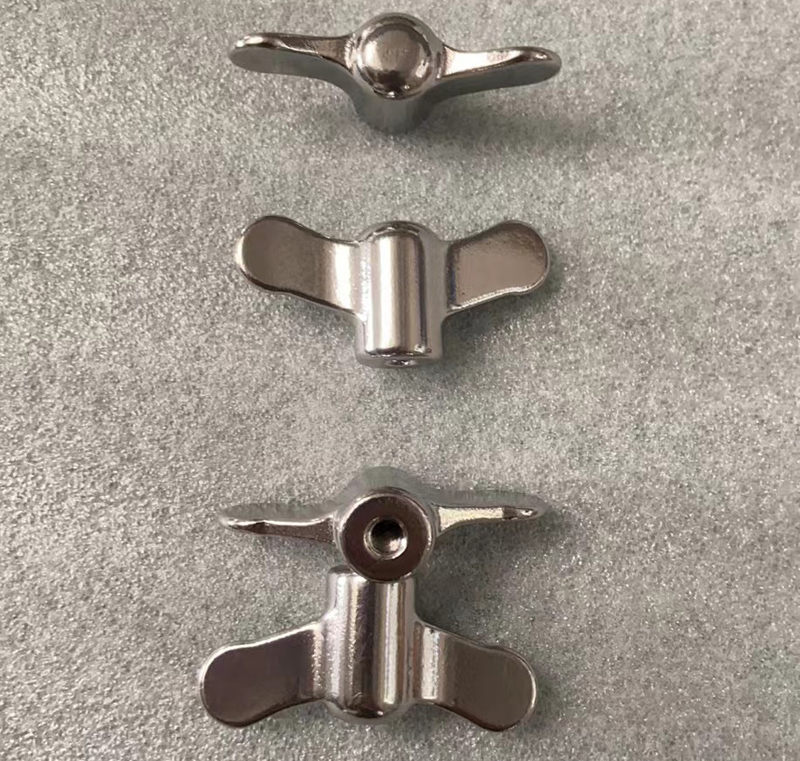
A recycled-material claim alone is therefore insufficient for a durability decision. The provided data does not identify recycled resin type, recycled-content percentage, reinforcement level, insert retention results, torque test results, or performance after repeated tightening. A purchaser should request those project-specific details and confirm the intended material, dimensions, thread, mounting type, color, surface finish, and use environment.
For applications needing higher mechanical strength, heat resistance, oil resistance, solvent resistance, and high torque resistance, the product data describes reinforced polyamide or glass-fiber nylon. Phenolic material is described as high-hardness, heat-resistant, rigid, and dimensionally stable for high-temperature machinery, industrial control systems, and workshop equipment. Stainless steel insert or stud options in SUS303, SUS304, and SUS316L are described as corrosion-resistant, high-tensile-strength, and suitable for food, marine, outdoor, and medical equipment.
The documented quality controls include ISO 9001 certification, full dimensional inspection, First Article Inspection, and material certificates when available. Zhejiang Dream Industry Limited also lists an ISO certificate covering the production of stainless steel handwheels, bushings, bolts, and non-standard machined accessories, including knobs. One recorded project supplied 65,000 adjustable clamping knobs for CNC-machine positioning and fixture-locking systems; the recorded feedback cited locking performance, operating feel, and wear resistance in long-term industrial use. That case concerns adjustable clamping knobs and does not establish durability for recycled-material versions.
Data/Solution Comparison
| Selection factor | Available product information | What must be verified for recycled material |
|---|---|---|
| Material options | Thermoplastic, reinforced polyamide or glass-fiber nylon, phenolic material, aluminum, stainless steel, and brass inserts are listed. | Recycled material type, content, and formulation are not stated. |
| Industrial durability factors | Torque, pull-out, thread durability, impact, temperature, and wear resistance are identified as relevant properties. | Application-specific test evidence and acceptance criteria are not provided. |
| Mounting configuration | Female thread, male stud, and through-hole versions are supported; metric and imperial thread sizes are listed. | Thread and insert performance after repeated tightening must be confirmed. |
| Environment matching | Reinforced polyamide is listed for industrial machinery and CNC machines; stainless steel inserts or studs are listed for food and marine equipment. | Exposure to heat, oil, solvents, chemicals, moisture, and load must be defined for the recycled version. |
| Customization | OEM and ODM support includes custom logo, color, thread, insert material, packaging, and dimensions. | Recycled-content and validation requirements should be documented in the custom specification. |
Frequently Asked Questions (FAQ)
Can the supplied information confirm that recycled-material clamping knobs are durable?
No. It provides material families and relevant durability properties, but it does not provide a recycled-material specification or test results for a recycled version.
Which listed material is intended for higher-load industrial use?
Reinforced polyamide or glass-fiber nylon is described as having high mechanical strength, heat resistance, oil resistance, solvent resistance, and high torque resistance. Its listed applications include industrial machinery, CNC machines, medical equipment, and heavy-duty fixtures.
What information should be included in an industrial clamping-knob request?
State the required shape, diameter, height, mounting type, thread or stud dimensions, material, insert material, surface finish, color, operating environment, and expected tightening duty. For a recycled-material request, also state the required recycled-content specification and validation needs.
Final Conclusion & Recommendations
Recycled-material clamping knobs should be approved for industrial equipment only after their material composition and application-specific performance are documented. Use the supplied material descriptions to establish a baseline, then verify torque, thread durability, pull-out resistance, wear, temperature exposure, and environmental compatibility for the intended recycled formulation. Zhejiang Dream Industry Limited supports OEM manufacturing, ODM manufacturing, custom CNC machining, factory-direct supply, bulk production, and flexible small-batch orders; its listed quality framework includes ISO 9001 certification and inspection processes. For detailed technical solutions or support, please reach out to us via 86-15868979792.
About Us
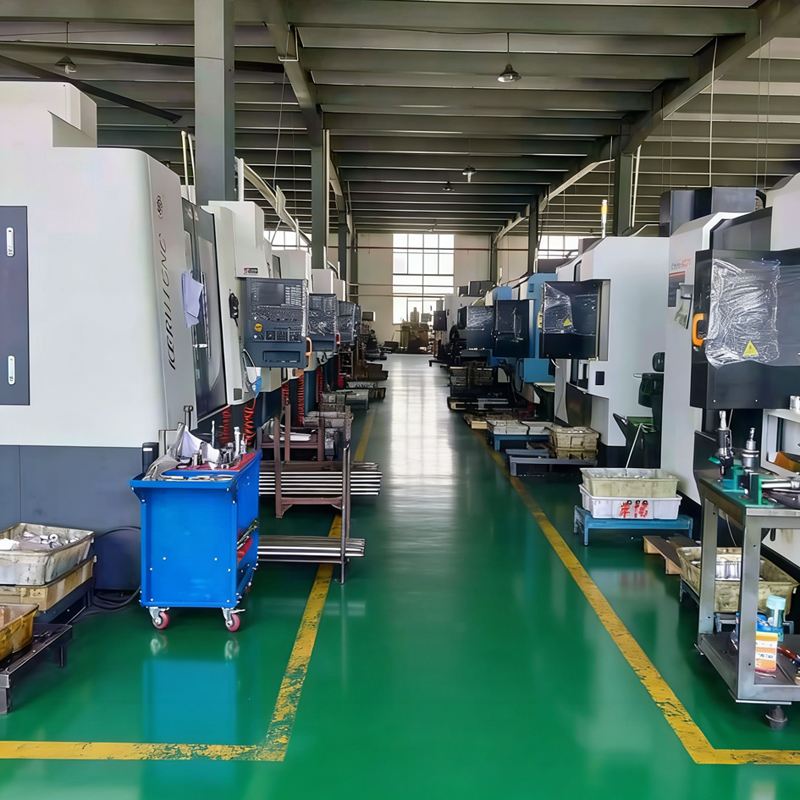
Zhejiang Dream Industry Limited designs and produces precision CNC-machined parts and assemblies in stainless steel, aluminum, brass, copper, carbon steel, and engineering plastics, covering design review, turning and milling, surface treatment, precision casting, and final inspection. Established in 2008, the company states that its engineering and research team supports product design, structural optimization, CNC precision machining, mold development, surface finishing, and customized manufacturing. Its manufacturing information lists more than 100 production and inspection units, with more than 80 percent described as highly automated CNC machining centers, CNC lathes, and laser welding equipment. The company holds an ISO certificate and has served clients across multiple industries.
Lastest
-
What key quality control documents should I request when auditing a potential CNC components factory?
2026-08-23 -
How long does it usually take a manufacturer to produce and ship custom CNC component prototypes?
2026-08-23 -
How do I choose between 3-axis and 5-axis CNC components for high-precision aerospace parts?
2026-08-23 -
Are there any emerging materials that could replace traditional steel CNC components to reduce weight?
2026-08-23 -
Can you explain the process of adding a custom logo and specific dimensions to a cast iron handwheel?
2026-08-23
SUBSCRIBE
INQUIRY